ever found yourself battling stubborn stains or struggling to get that pristine shine on your driveway, only to realize your current powerwasher just isn’t cutting it? I remember the lightbulb moment—standing there, scrubbing endlessly, thinking, “There has to be a better way.” That frustration sparked my journey into upgrading my gear for faster, more reliable driveway cleaning. Honestly, I didn’t want to spend my weekends battling grime when I could be enjoying time with family or pursuing hobbies. If you’ve faced similar struggles, you’re in good company—and today, I promise to share actionable insights that changed my approach entirely.
Why Upgrading Your Powerwasher Gear Matters More Than Ever in 2026
In recent years, driveway cleaning has evolved from a tedious chore to a straightforward task—when armed with the right equipment. The market’s flooded with various attachments and tech, but not all deliver the results you crave. As someone who’s tested dozens of setups, I found that a few strategic upgrades can dramatically cut down cleaning time and boost efficiency. This isn’t just about convenience; it’s about achieving a lasting, professional-looking finish with less effort. Considering the rapid advancements in powerwashing technology, now is the perfect time to invest in gear that will serve you reliably for years to come.
Is the Hype About Powerwasher Upgrades Justified?
Early on, I made a rookie mistake—thinking that a more powerful engine alone would solve all my problems. Turns out, it’s often about the right attachments and technique. A common misconception is that high PSI settings are always better, but using the wrong nozzle or attachment can damage your surface or produce streaks. Trust me, I’ve learned the hard way—some upgrades are worth every penny, while others might be a waste if you don’t know what to look for. For an in-depth look at how to power wash your home efficiently and safely, check out this comprehensive guide on trusted techniques for lasting results.
Now, let’s dive into the specific upgrades that transformed my driveway cleaning routine—and how they can do the same for you.
Select the Right Equipment and Attachments
Start by choosing a dependable powerwasher with sufficient PSI—around 3000 PSI is ideal for driveways. For specific tasks, such as stubborn stains or delicate surfaces, invest in high-quality attachments like turbo nozzles or surface cleaners. I once attempted to clean a heavily stained driveway with a standard nozzle—results were streaky and took twice as long. Swapping to a surface cleaner attachment, which I previewed here here, made a noticeable difference, delivering a uniform finish in half the time.
Prep the Surface for Optimal Results
Before spraying, clear the area of debris, loose dirt, and plants. Protect nearby delicate surfaces with plastic sheets or painter’s tape. Wet the surface slightly to prevent dust clouds and loosen grime—think of it as watering a garden before weeding. This step ensures a smoother, more efficient cleaning process, helping your pressure stream penetrate deeper rather than just gliding over the surface.
Master the Cleaning Technique
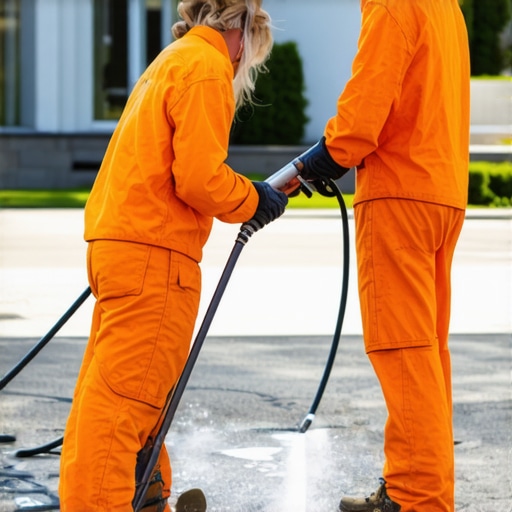
Hold the wand at a consistent 45-degree angle, about 12-18 inches from the surface, and use sweeping motions—just like mowing a lawn—over sections systematically. Start from the highest point and work your way down to prevent streaks. I remember wrestling with rogue puddles and uneven streaks until I realized that moving the wand in steady, overlapping passes saved me hours of rewashing. Practice the technique on a small section first to gauge the correct distance and water pressure, avoiding damage or streaking.
Adjust PSI and Nozzle for Different Surfaces
Matching pressure to the material is crucial: use a fan or wide spray nozzle for siding, soft surfaces, or paint, and switch to a narrow, high-pressure tip for concrete or brick. Over-pressurizing can cause damage; I learned this firsthand when an overly aggressive spray chipped a piece of brick—check out this guide on avoiding cement damage. Always test in an inconspicuous area first.
Use Surface Cleaners for Finish Perfection
Surface cleaners spin at high RPMs and keep the spray even, reducing streaks and improving speed. Imagine a Maui-style shaver, gliding smoothly over hair—these tools work similarly, providing a faster, more uniform clean. I installed one last summer, and my driveway’s shine now rivals professional results. For detailed tips on leveraging these tools, visit this resource.
Apply Eco-Friendly Practices and Protect Your Garden
Use biodegradable cleaning solutions where appropriate, and avoid excessive water runoff that could pollute the environment. When cleaning near plants, spray water carefully or shield foliage with plastic cocooning. One memorable time, I accidentally drenched a flower bed, leading to wilted blooms. Now, I precisely control my water flow and use eco-friendly strategies to maintain both cleanliness and eco-ethics. This approach ensures your effort leaves a lasting shine without harming nature.
Finishing Touches and Inspection
After cleaning, visually inspect the surface for missed spots or streaks, then re-treat if necessary. Use a soft brush for stubborn moss or algae, instead of harsh scrubbing, to prevent damage. Always follow proper shutdown procedures for your powerwasher, draining excess water and performing basic maintenance—such as reviewing pump health checks—to ensure longevity and safety. Regular maintenance and proper technique make your power washing efforts more reliable and consistent over time.Even seasoned power washers often fall into traps that undermine their results or even cause damage. One such misconception is that increasing PSI automatically translates to a cleaner surface; however, this can lead to etching or chipping, especially on softer surfaces like vinyl siding or wood decks. Trust me, understanding the nuanced relationship between PSI, nozzle type, and surface material is crucial; you can learn more about how to power wash your home confidently by exploring this comprehensive guide on trusted techniques for lasting results. A common myth is that more pressure is always better, but expert advice reveals that the right pressure setting combined with appropriate nozzle choice is what truly delivers both safety and efficacy. Over-pressurizing can also cause long-term damage, leading to costly repairs—so always test in inconspicuous areas, following the safety checks detailed here. \n
Another overlooked aspect is the importance of adjusting your technique when cleaning different surfaces. For instance, using a narrow, high-pressure tip on delicate siding may seem efficient, but it risks stripping paint or damaging the material. Instead, employing wider spray patterns or lower pressure settings preserves the integrity of your exterior while still achieving a thorough clean. Mastering these advanced adjustments transforms power washing from a novice chore into a professional-level task. \n
But perhaps the most insidious mistake is ignoring environmental precautions. Excessive water runoff carrying debris or chemicals can pollute your yard or nearby water sources. Eco-friendly practices, such as biodegradable detergents and controlled water flow, are not just responsible—they enhance your results, preventing streaks and ensuring longevity. This is especially relevant for those aiming for a reliable, eco-conscious approach to home maintenance. \n
Now, for the advanced enthusiast, understanding the mechanics behind power washer pump failures can save you both time and money. Regularly inspecting your pump and reviewing signs that it’s about to fail—such as pulsing or inconsistent pressure—allows for proactive maintenance. For detailed insights on pump health checks, check out this trusted resource. Being proactive ensures your investment lasts longer and performs reliably throughout numerous projects. \n
Have you ever fallen into any of these traps? Let me know in the comments. Mastering these nuances elevates your power washing game from routine to expert—ensuring you get professional results every time, without costly mistakes or environmental harm.
Keeping Your Power Washing Equipment in Top Shape
Investing in high-quality power washing tools is just the start; regular maintenance is essential to ensure longevity and optimal performance. I personally swear by routine checks and specific practices to keep my equipment running smoothly throughout the year. Proper maintenance not only extends your power washer’s lifespan but also guarantees consistent, professional results with every use.
How do I maintain my power washer over time?
First, always flush out the system after each use by running clean water through it to prevent residue build-up. Regularly inspecting hoses, connections, and nozzles for wear and tear can catch issues early before a breakdown occurs. I replace worn nozzles with high-quality models recommended by trusted sources—using inferior parts can cause uneven cleaning or damage your surfaces. Check out this guide for detailed pump maintenance tips. Additionally, performing scheduled inspections on the pump seals and connections helps prevent leaks and pressure drops, maintaining consistent PSI during each session.
Recommended Tools for Long-Term Reliability
For me, a reliable set of maintenance tools makes all the difference. I keep a kit that includes replacement nozzles, a pump oil, and specialized brushes for nozzle cleaning. Using manufacturer-approved lubricants, as outlined in technical documentation, can prevent corrosion and pump failure. Investing in a high-quality surface cleaner attachment not only speeds up cleaning but also reduces wear on your equipment by distributing pressure evenly. Moreover, maintaining hoses with protective sleeves or fittings prevents cracking or bulging over time.
Long-Term Results and Scaling Up
Consistent care pays off in long-term results. Properly maintained power washers become more reliable, reducing downtime and costly repairs. If you’re considering scaling your operations, robust equipment combined with disciplined maintenance routines can support larger projects. Expect your system to perform efficiently across various surfaces, from delicate siding to stubborn driveway stains. As the trend in power washing advances, incorporating automated or semi-automated maintenance routines will likely become standard—think scheduling regular service checks or integrating monitoring software to alert you of potential issues.
Start Applying Advanced Maintenance Today
One practical tip I recommend is reserving time monthly to thoroughly inspect and clean your pump and nozzles—this easy step can prevent major failures. For even better results, try adopting eco-friendly maintenance practices, such as using biodegradable lubricants and cleaning solutions during routine upkeep, aligning with current trends aimed at sustainability. Regular care today ensures your investment continues delivering trustworthy results tomorrow and into the future.
Maintaining your power washing gear isn’t just about keeping it functional; it’s a proactive approach that guarantees pristine, professional outcomes over the long haul. Remember, consistent maintenance is your best tool for reliable, efficient power washing. Ready to take your routine up a notch? Start by inspecting your nozzles and pump seals this week—small efforts today save big repairs later.
Lessons That Changed My Power Washing Game
- One of the toughest lessons I learned was that more PSI isn’t always better—using excessive pressure can damage surfaces and ruin the surface finish. Finding the right balance of PSI and nozzle was a turning point for me.
- Investing in quality attachments, like surface cleaners and turbo nozzles, drastically cut down cleaning time while delivering professional results. Cheaper tools often lead to streaks and uneven finishes, so choose wisely.
- Proper surface preparation, including wetting and debris removal, made my cleaning more efficient and prevented streaks or dirt from settling during the process. It’s a simple step with huge benefits.
- Environmental considerations, like eco-friendly solutions and protecting surrounding plants, not only kept me responsible but also improved the quality of my work by reducing runoff issues.
- Maintenance isn’t just about fixing things—it’s about proactive care. Regularly inspecting hoses, nozzles, and pumps extended my equipment’s lifespan and ensured consistent results project after project.
Tools That Elevated My Efforts—And Why I Trust Them
- PowerWash Expertz’s Comprehensive Guide: A treasure trove of techniques that made me confident in tackling different surfaces without damage.
- High-Pressure Attachments from Trusted Brands: Durable, reliable tools that deliver consistent results and save hours.
- Eco-Friendly Detergents: Biodegradable options that are effective and aligned with my environmental values.
- Routine Maintenance Kits: Essential for inspecting, cleaning, and lubricating my equipment, ensuring longevity and dependable performance.
Embrace the Challenge and Watch Your Skills Grow
“Embarking on your power washing journey might seem daunting at first, but every surface you transform—driveways, siding, decks—is a testament to your growing skill and confidence. Remember, mastery comes with patience and practice. Trust the process, invest in quality gear, and keep learning from experiences. Soon, you’ll find yourself achieving professional results that make your home shine and your efforts worthwhile. Ready to pick up that wand and start transforming your exterior? The results are more rewarding than you imagine.”