
![4 Powerwashing Mistakes That Cause Deck Wood Rot [2026]](https://powerwashexpertz.com/wp-content/uploads/2026/01/4-Powerwashing-Mistakes-That-Cause-Deck-Wood-Rot-2026.jpeg)
Last summer, I watched in horror as a beautifully stained deck warped and rotted just a year after I powerwashed it. That lightbulb moment sank in: I had made a critical mistake. Powerwashing, when done incorrectly, can do more harm than good—especially to your deck. If you’ve ever felt the sting of discovering hidden damage after a cleaning session, you’re not alone. Many homeowners dive into powerwashing with good intentions but unknowingly cause costly mistakes.
In this post, I’ll share the four most common powerwashing errors that lead to deck wood rot in 2026. By understanding these pitfalls, you can keep your outdoor space looking beautiful and structurally sound for years to come. No more guesswork or hoping for the best—this is about empowering you with trusted techniques from my own experience and trusted sources.
Is PowerWashing Worth the Risk?
I admit it: early in my DIY journey, I thought more pressure meant cleaner faster. I grabbed my powerwasher, cranked it up, and blasted away. The result? Gorgeous results on my siding, but my deck, previously looking vibrant, now showed signs of splintering and swelling. That’s when I learned a hard truth: improper powerwashing can damage the wood’s integrity, leading to rot and decay.
The key is knowing what mistakes to avoid. For instance, using too high pressure or failing to adjust the nozzle can embed water deep into the wood, creating the perfect environment for rot. According to trusted experts, applying the right pressure is crucial—too much pressure risks stripping away layers of wood and compromising the surface, while too little might not clean effectively. For reliable guidance, check out [these proven strategies for residential power washing](https://powerwashexpertz.com/residential-power-washing-proven-strategies-for-reliable-homes-in-2025). Every homeowners’ nightmare is seeing their deck decay sooner than expected, but with proper technique, you can extend its life.
Before we dive into the specifics, I want to address a common skepticism: “Is powerwashing really worth the effort or risk?” The answer depends on your approach. When done correctly, it can restore your home’s exteriors and boost curb appeal. When done improperly, it accelerates damage. That’s why understanding the mistakes to avoid isn’t just helpful—it’s essential for protecting your investment.
Now, imagine finishing your powerwash and seeing a shiny, clean deck that stands the test of time. That’s the goal, and it starts with learning what to steer clear of. Ready to discover how to do it the right way? Let’s break down the four biggest mistakes you must avoid to prevent deck wood rot in 2026.
Choose the Right Pressure Settings and Nozzle
Start by setting your powerwasher to a moderate pressure level—about 1500 to 2000 PSI for decks. Opt for a fan nozzle (25-40 degrees) to distribute water evenly. I once used a too-narrow nozzle, focusing high pressure on a small area, which caused splintering—lesson learned. Remember, higher PSI isn’t always better; it’s about balance to avoid embedding water into the wood.
Test on a Small, Hidden Area First
Always test your settings on a concealed part of your deck. In my experience, I once forgot this step and immediately saw water gather in the grain, risking rot. Testing helps you fine-tune pressure and distance, preventing damage and ensuring effective cleaning without water intrusion.
Maintain Proper Distance and Movement
Hold the nozzle approximately 12-18 inches from the surface. Keep the nozzle moving in gentle, overlapping strokes—think of it like mowing a lawn—the goal is even coverage without lingering in one spot. During my project, I kept the sprayer too close and in one spot, which caused uneven erosion of the wood surface. Consistent movement prevents damage and helps water shed efficiently, reducing moisture infiltration.
Angle the Spray Away from the Deck Surface
Angle the spray at about 45 degrees, directing water downward and outward. This technique pushes water off the surface rather than into the grain. I once aimed directly downward, which allowed water to seep into the wood fibers, leading to swelling. Proper angling ensures runoff happens quickly and water doesn’t penetrate, preserving the wood’s integrity.
Focus on Controllable Areas First
Address sections of your deck that are more exposed or dirtier initially. In my case, I started with the less visible corner, which gave me confidence before moving to the main visible areas. Breaking the job into manageable sections allows for better control, ensuring each part is cleaned effectively without rushing or applying excessive pressure.
Keep the Nozzle Moving, Don’t Stay Static
Avoid holding the spray on one spot for too long. I once let the nozzle linger on a spot, which caused a shiny spot and uneven surface. Moving continuously prevents water pooling and surface erosion. Think of it as painting—consistent, smooth strokes yield the best, uniform results.
Dry and Inspect Before Moving to Next Step
After washing, let the deck dry completely and inspect for any water pooling or damage signs. Early detection allows you to address issues before rot sets in. I caught a small area that retained moisture, which I dried with a towel and reapplied gentle pressure later, preventing potential rot formation.
For more detailed techniques, check out these trusted power washing tips to ensure your approach is both safe and effective. Remember, applying proper method is crucial to maintaining your deck’s longevity and beauty.
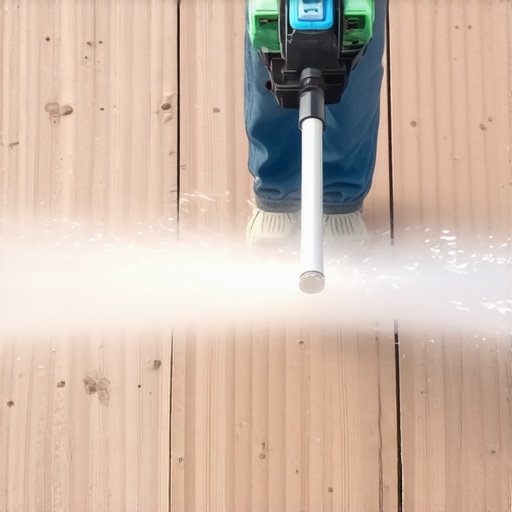 Many homeowners believe that more pressure always means a cleaner surface, but in reality, this misconception can lead to disastrous consequences. Applying excessive force during power washing might seem effective, but it often causes unseen damage to your home’s siding or decking, compromising the material’s integrity over time. Experts emphasize that understanding the nuances of pressure settings and nozzle choices is crucial—using the wrong combination can embed water into siding or wood, leading to mold, rot, and structural deterioration. Additionally, there’s a prevalent myth that the brightest, high-powered equipment yields the best results; however, advanced techniques prioritize controlled, tailored approaches over brute force. One often-overlooked mistake is neglecting proper water management—failing to angle the nozzle correctly or maintain appropriate distance increases water intrusion risks, which many underestimate. This not only damages surfaces but accelerates the onset of rot. For more in-depth insights, I recommend reviewing trusted strategies for reliable home exterior cleaning, which highlight the importance of technique over equipment power. Think you know powerwashing? Think again—these hidden nuances can save you costly repairs. Have you ever fallen into this trap? Let me know in the comments.Maintaining your power washing equipment is essential for achieving consistent, high-quality results and extending the lifespan of your tools. Investing in the right accessories and adopting effective maintenance habits can save you time and money in the long run. I personally rely on a few key tools: a high-pressure hose reel to prevent kinks and leaks, and a durable surface cleaner attachment that ensures even cleaning on decks and patios. Regularly inspecting and replacing worn spray nozzles and hoses minimizes performance issues and prevents damage, such as water intrusion that can lead to wood rot. To keep your power washer in top condition, flush out the pump with fresh water after each use and store it in a dry, sheltered spot—avoiding extreme temperatures helps prevent freezing damage.
Advanced tools like variable pressure regulators give you precise control over PSI, allowing tailored cleaning without risking wood or siding damage. For long-term results, I recommend investing in a quality detergent injection system, which simplifies application and reduces the need for manual scrubbing. As power washing trends evolve, eco-friendly and quieter models are gaining popularity, offering efficient cleaning with minimal noise and environmental impact. In fact, recent industry insights suggest that models with built-in water filtration extend pump life and improve overall performance. Regularly updating your equipment according to these developments can help ensure dependable, long-lasting cleaning.
How do I maintain my power washing tools over time? Consistent cleaning of filters and seals, keeping detergents in sealed containers, and following manufacturer maintenance schedules are critical for durability. Also, checking for manufacturer recalls or updates can prevent issues before they arise. By practicing proactive maintenance, you’ll enjoy trustworthy results and prevent small problems from escalating into costly repairs. For more detailed guidance, check out these proven strategies for reliable cleaning. Ready to upgrade your maintenance routine? Try the tip of investing in a variable pressure regulator to precisely dial in your PSI for different surfaces. It’s a game-changer for safe and effective cleaning.
The Hardest Lesson I Learned About powerwashing,power wash home,powerwasher,power washing
One of my biggest revelations was realizing that more pressure doesn’t always mean better cleaning. Using excessive PSI on my deck caused splintering and water penetration, which I only noticed when rot started to form months later. Trusted sources emphasize the importance of adjusting pressure according to surface type—it’s fantastic to know that employing a nuanced approach can prevent costly damage and extend your deck’s lifespan.
3 Myths About powerwashing,power wash home,powerwasher,power washing That Held Me Back
- High pressure kills grime faster—Not always. In fact, relying solely on brute force can damage wood and siding, leading to rot and decay. A gentle but effective technique using proper nozzles often yields better long-term results.
- Professional power washing is always safer—Sometimes, untrained use of high-pressure equipment causes more harm than good. Learning the right methods empowers you to take control and protect your investment.
- Water alone is enough—Adding eco-friendly detergents makes a significant difference, helping lift stubborn grime while safeguarding your surfaces.
What Experts Won’t Tell You About powerwashing,power wash home,powerwasher,power washing
Many seasoned professionals keep a keen eye on nozzle angles and distance, since even small deviations can cause deep-seated damage or water intrusion. I discovered the power of maintaining a consistent 12-18 inch distance and keeping the nozzle moving smoothly, reducing risk and achieving an even shine. For trusted guidance, revisit these expert techniques. It’s inspiring how mastering these subtle details can make all the difference in protecting your deck and home’s exterior.
Your Next Step Toward Confidence in Power Washing
Remember, mastering power washing isn’t about brute force but about precision and patience. By applying these insider lessons, you’ll achieve trustworthy, long-lasting results that truly enhance your home’s beauty. Start small, practice on hidden areas, and gradually build your skill set. Your outdoor space deserves this care—give it the expertise it deserves!
This post hits home for me because I’ve seen firsthand how improper power washing can cause lasting damage. Last summer, I went a bit overboard on our deck, thinking more pressure would clean faster. Unfortunately, I didn’t realize I was embedding water into the wood fibers, which caused swelling and, ultimately, rot. It was a wake-up call that proper technique is so much more important than brute force. Since then, I’ve been more mindful of nozzle choice, maintaining a consistent distance, and testing on hidden areas before tackling the main sections. I think the trick is not just in the equipment but how you use it. Has anyone else experienced similar issues or found specific techniques that help prevent water from penetrating deeply into the wood? I’d love to hear different approaches or tips for maintaining deck integrity while still getting it clean.