Have you ever scrubbed your home’s exterior endlessly, only to find the grime creeping back within a few months? I remember the frustration vividly. I once invested in a cheap power washer, convinced I was saving money. Turns out, I was just wasting effort and risking damage to my siding. That lightbulb moment taught me a crucial lesson: the right technique and equipment make all the difference in achieving trustworthy, lasting results.
Why Trust in Power Washing Matters More Than Ever
In today’s busy world, your home is more than just a place to live; it’s a reflection of you. A clean exterior boosts curb appeal, preserves your property’s value, and even protects against damage caused by mold, algae, and dirt buildup. But here’s the kicker — not all power washing is created equal. A poorly executed job can cause more harm than good, stripping paint or forcing water behind siding, leading to costly repairs down the line. This is why trustworthy power washing isn’t just about blasting away dirt — it’s about doing it safely and effectively, with proven techniques that stand the test of time. If you’ve ever wondered whether you’re doing it right, you’re not alone. Many homeowners face the same doubts, especially when results don’t last or damage occurs. I’ve learned from my mistakes and want to share how you can avoid them, so your home stays beautiful and protected for years to come.
Is Power Washing Actually Worth the Hype?
This was my biggest skepticism early on. I worried that I’d waste time, money, and risk ruining my siding. I made the mistake of rushing through the process, thinking that more pressure equals better cleaning. That’s not true. In fact, using too much pressure or skipping prep can damage surfaces and lead to uneven results. It’s a common mistake I see many homeowners make. That’s why I recommend following trusted methods, like those outlined in these expert tips, to ensure your project is both safe and successful. When done correctly, power washing can transform your home’s appearance and protect its integrity for the long haul.
If you’ve faced this dilemma — whether you’re unsure if your current approach is enough or worried about potential damage — you’re in the right place. Next, I’ll walk you through the specific techniques that guarantee trustworthy results, giving you confidence in your home care routine. Ready to learn the secrets to lasting curb appeal? Let’s dive in.
Choose the Right Equipment and Settings
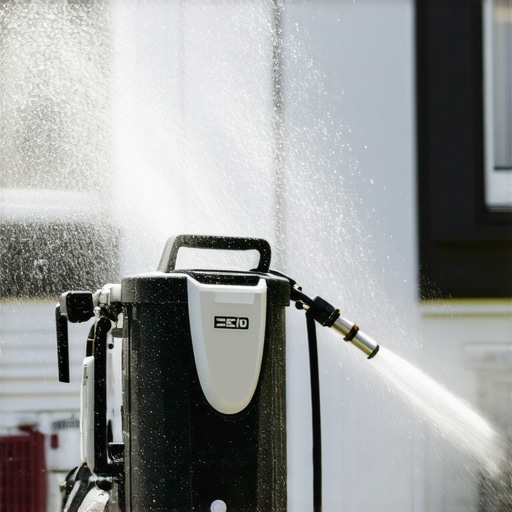
Start by selecting a power washer with adjustable pressure settings. For most home exteriors, a pressure of 1500 to 2000 PSI is sufficient. I learned this the hard way when I initially used my pressure washer on the highest setting, which damaged my siding. Instead, I set the pressure low and gradually increased it until I found the sweet spot that cleaned effectively without risking damage. Using the correct nozzle, typically a 25 or 40-degree tip, disperses water evenly and reduces the risk of etching or stripping paint.
Prepare Your Surface Carefully
Preparation is crucial. I always start by removing loose debris, such as leaves or cobwebs, with a broom or leaf blower. Cover nearby plants and electrical outlets with plastic sheeting to prevent water intrusion. For stubborn dirt or algae, a pre-treatment with a cleaning solution is essential. Mix a biodegradable detergent with water, and apply it using a low-pressure nozzle or a garden sprayer. Let it sit for 5-10 minutes, but don’t let it dry — this step is like giving your house a coat of armor against grime.
Master the Technique of Proper Nozzle Distance and Movement
Holding the nozzle about 12-18 inches from the surface is key. I found that getting too close causes damage, while too far reduces cleaning power. Use smooth, overlapping strokes, much like mowing a lawn, to ensure uniform coverage. When I first started, I zigzagged randomly, which led to uneven results. Consistency is king. Always keep the wand moving to avoid concentrated pressure that can gouge your siding or bricks. Remember, it’s about finesse, not brute force.
Work from Bottom to Top for Even Results
Start spraying from the bottom and work your way up. This prevents streaks and drips from ruining your work. I once attempted to start at the top, only to have dirty water run down and create streaks, forcing me to redo sections. Moving in a systematic, bottom-up pattern ensures the dirt is lifted away smoothly and the finished look is professional.
Rinse and Inspect Frequently
After applying the cleaning solution and rinsing, step back and inspect your work. Sometimes, a second pass is necessary for stubborn stains. I’ve learned that patience pays off — rushing through often leads to missed spots or uneven cleaning. Use a fan tip or a wider spray pattern during rinsing to clear residue efficiently and leave your surface looking fresh and renewed.
Final Tips for Lasting Results
Once completed, let the surface dry completely before inspecting for missed spots or damage. Regular maintenance with gentle cleaning can extend the life of your siding, brick, or wood. For more advanced techniques, consider reviewing these expert tips. Remember, trustworthiness in power washing comes from careful preparation, correct technique, and patience. Follow these steps, and your home will shine confidently for years to come.
Many homeowners believe that more pressure always results in a cleaner home exterior. This is a dangerous misconception that can lead to costly repairs. In reality, the key to trustworthy power washing lies in understanding the nuances of pressure settings and techniques. For example, using high pressure on delicate surfaces like vinyl siding or wood can strip paint, cause gouges, or even force water behind the siding, leading to mold and rot. The myth that ‘harder is better’ often results in damage rather than a pristine finish. Instead, consult reliable sources like these expert tips for the proper pressure ranges tailored to your surfaces. Remember, trustworthiness in power washing is about precision, not brute force.
Why do many think high pressure is always best, and what’s the hidden risk?
The misconception stems from the idea that more pressure equals more dirt removal. While this might seem logical, it ignores the delicate nature of many exterior surfaces. Excessive pressure can etch brickwork, damage wood fibers, or dislodge paint, leading to even bigger problems down the line. The real skill in advanced power washing is applying just enough pressure to clean without causing harm. Professionals often use lower pressures combined with proper nozzle angles and techniques to achieve optimal results. A study by the National Institute of Standards and Technology emphasizes that surface-specific pressure and technique are critical for effective and safe cleaning. If you want to master safe power washing, avoid the trap of always cranking up the pressure and focus on method, not just force. To learn more, check out these proven strategies.
Have you ever fallen into this trap? Let me know in the comments. Remember, the goal is to enhance your home’s appearance and longevity, not to cause unintended damage. Trust the experts and follow the right techniques to ensure lasting, trustworthy results.
Invest in Quality Equipment to Keep Your Power Washing Effective
When it comes to maintaining your home’s exterior, the right tools are crucial. I personally rely on a high-quality pressure washer with adjustable PSI settings, typically ranging from 1500 to 2000 PSI, because it offers versatility across different surfaces. Cheaper models often lack precise control, leading to inconsistent results or potential damage. A reliable pressure washer reduces the risk of gouging or stripping paint, especially when combined with the correct nozzle, such as a 25 or 40-degree tip, which disperses water evenly and minimizes surface harm.
Regular Maintenance of Your Equipment
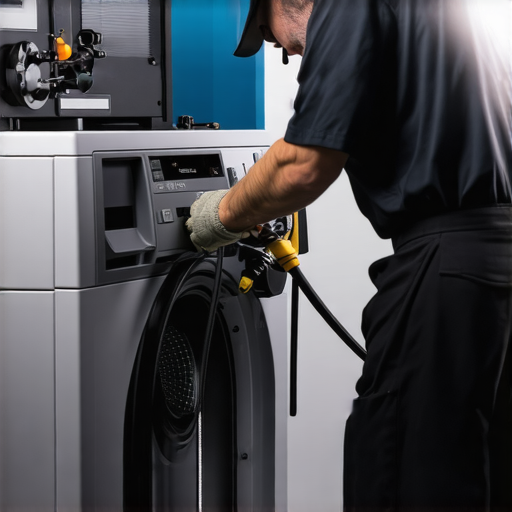
To ensure your tools stay in top shape, I recommend flushing the system after each use and inspecting hoses and nozzles for cracks or clogs. Using a detergent designed for pressure washers helps prevent buildup inside the pump, prolonging its lifespan. Additionally, storing your equipment in a dry, sheltered place during winter prevents corrosion and freezing damage. Proper maintenance not only extends the life of your tools but also guarantees consistent, trustworthy results every time you power wash.
Use Proven Methods for Long-Term Home Exterior Care
Beyond tools, adopting a routine maintenance schedule is vital. I schedule a light cleaning every 12-18 months, which helps prevent the buildup of algae and dirt that can cause long-term damage. When performing these cleanings, I follow expert techniques, such as working from bottom to top and maintaining the correct nozzle distance, to ensure even coverage without surface damage. For more detailed strategies, you might explore these proven methods.
Scaling Up Your Power Washing Efforts
If your property is large or has multiple exterior surfaces, investing in professional-grade equipment or hiring experienced professionals can be a game-changer. Modern power washers with higher PSI and flow rates allow for quicker, more efficient cleaning, especially for stubborn stains or extensive grime. As technology advances, expect future tools to incorporate smarter features like temperature control and automated nozzle adjustment, making trustworthy power washing easier and more reliable for homeowners. You can start by experimenting with techniques such as pre-treating surfaces with eco-friendly cleaners, which I find immensely helpful in achieving lasting results.
How Do I Maintain Power Washing Equipment Over Time?
Regularly inspecting and cleaning your pressure washer after each use is key. Replace worn-out nozzles and check hoses for leaks to prevent unexpected breakdowns. Using de-scaling agents periodically can prevent mineral buildup inside the pump, ensuring consistent pressure. Also, follow the manufacturer’s maintenance schedule, including changing oil if applicable. A well-maintained power washer not only performs better but also reduces the risk of damage during cleaning sessions. For a comprehensive guide, see these expert tips. I recommend setting a maintenance checklist and sticking to it, much like a car’s service schedule, to keep your equipment reliable for years to come.
Try implementing a routine inspection and cleaning protocol for your tools today. It’s a simple step that can significantly improve your results and extend the lifespan of your investment. Remember, trustworthy power washing is about consistency, proper equipment care, and applying proven techniques. Keep your tools in top shape, and your home’s exterior will thank you for years of dependable, stunning results.
The Hardest Lesson I Learned About Power Washing
One of the most valuable lessons I’ve learned is that rushing the process or choosing the wrong settings can cause more harm than good. I once thought that higher pressure meant better cleaning, but I ended up damaging my siding. Patience and proper technique are essential for trustworthy results.
3 Myths About Power Washing That Held Me Back
Believing that more pressure always equals cleaner surfaces was a mistake I had to unlearn. The truth is, surface-specific pressure and technique matter more. Using the right nozzle and maintaining the correct distance ensures a safe, effective clean that lasts.
What Experts Won’t Tell You About Exterior Cleaning
Many professionals emphasize the importance of surface preparation and equipment maintenance. Regularly inspecting and cleaning your tools guarantees consistent results and protects your investment. Trustworthy power washing isn’t just about the spray — it’s about care, control, and consistency.
Curated Resources for Elevating Your Power Washing Skills
- Power Wash Expert’s Guide: This comprehensive resource provides proven techniques for safe, effective cleaning. I rely on it for step-by-step strategies that prevent damage and ensure lasting shine.
- Trusted Equipment Brands: Investing in quality tools from reputable manufacturers guarantees better control and durability. I personally recommend models with adjustable PSI to adapt to different surfaces.
- Maintenance Checklists: Following a routine maintenance schedule for your pressure washer extends its lifespan and maintains high performance. Proper care is key to trustworthy results.
- Local Professional Services: Sometimes, partnering with experienced pros can save time and prevent costly mistakes. Look for licensed, insured experts who follow proven safety and cleaning protocols.
It’s Your Turn to Shine
Trustworthy power washing is within your reach when you follow the right techniques, use quality equipment, and maintain a patient mindset. Your home’s exterior can look stunning and last longer with these proven strategies. Don’t wait—start today and enjoy the confidence of a job well done.
Have you ever struggled with choosing the right pressure or technique? Share your experience below—I’d love to hear your story!
I completely agree with the importance of using the correct pressure and technique for power washing. In my experience, many homeowners, including myself early on, underestimate how delicate some surfaces can be. I once tried to clean my brick patio with high pressure, thinking a stronger spray would do the job faster, only to notice some etching afterward. It was a valuable lesson to always start with the lowest effective pressure and move up gradually. Also, I always ensure to use a wide-angle nozzle because it disperses water more evenly and minimizes the risk of damage. Has anyone here experimented with eco-friendly cleaning solutions? I found that pre-treating surfaces with biodegradable cleaners really elevates results without harsh chemicals. I’d love to hear, what pre-treatment products or methods have others found most effective for stubborn stains or algae?
Your detailed insights into power washing resonate with my experiences, especially the emphasis on choosing the correct pressure and nozzle. I recall a time when I was eager to clean my wooden deck and used too much pressure, which resulted in some splintering. Since then, I’ve learned to always start with a lower PSI and test a small area first. I also agree that pre-treating with eco-friendly solutions can really make a difference, particularly on algae or mold. Personally, I prefer using a biodegradable deck cleaner that’s safe for plants, and I’ve noticed it significantly enhances the longevity of my surface. As for the nozzle, I’ve found that a 40-degree tip provides gentle yet effective coverage for delicate surfaces. Does anyone have recommendations for eco-friendly stain removers or special tips for stubborn areas? I believe that with the right approach, power washing can be both effective and environmentally responsible, extending the life of our exteriors without risking damage or harming nearby vegetation.