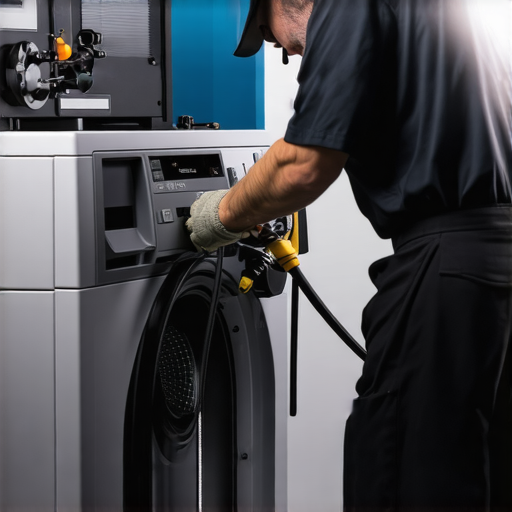

Ever sprayed high-pressure water onto your siding only to see the grime stubbornly cling or, worse, cause damage? I’ve been there. The moment I realized I might be doing more harm than good was an eye-opener. My first attempt at power washing was a rushed job, and I paid the price—the paint peeled, and I had to repaint. That lightbulb moment pushed me to learn the right techniques, and now I want to share what works for trustworthy, lasting results.
Why Trustworthy Power Washing Matters for Your Home
Let’s face it: your home is probably your biggest investment. Keeping it clean isn’t just about curb appeal; it’s about protecting your property from the elements, mold, and decay. But doing it wrong can lead to costly repairs or even safety hazards. A good power wash can restore your home’s shine and prolong its lifespan, but only if you use the right methods. Trustworthy results come from understanding your surfaces and equipment, and importantly, avoiding common pitfalls.
Is Power Washing Really Worth the Hype?
I used to think that a simple spray was enough. That was my mistake. Early on, I overlooked the importance of the correct pressure settings and nozzle types. I also didn’t realize that some surfaces, like delicate sidings or aged wood, require special care. That mistake taught me that rushing into power washing without proper knowledge can compromise your home’s integrity. For a comprehensive guide, check out these expert tips.
If you’ve ever wondered whether power washing might cause more harm than good, you’re not alone. Many homeowners face the same fear—damaging their siding, windows, or landscaping. But the truth is, with proper technique and tools, you can get a reliable, long-lasting clean without risking your home’s safety. In the next sections, I’ll walk you through the essential steps to ensure your power washing is trustworthy and effective.
Choose the Right Equipment Carefully
Think of your power washer as a paintbrush—selecting the right brush makes all the difference. I remember rushing to rent a generic machine for my first big clean, only to realize it lacked the pressure control needed for delicate surfaces. The solution? I opted for a professional-grade unit with adjustable pressure settings and different nozzle tips. This gave me control, much like selecting the right brush size for detailed work. For trustworthy results, always choose equipment that matches your home’s surfaces and learn how to use it properly by visiting these expert tips.
Understand Nozzle Types and Pressure Settings
Using the wrong nozzle feels like trying to paint with a broom—ineffective and risky. My experience taught me that a 25-degree nozzle offers a broad, gentle spray ideal for sidings, while a 0-degree nozzle can etch concrete but is dangerous on vinyl or wood. I once accidentally used a high-pressure nozzle on my wooden deck, which caused splintering. Now, I always double-check my nozzle type and pressure settings before starting. This step ensures your surface isn’t damaged, and your cleaning is trustworthy. For detailed guidance, see these techniques.
Prep Surfaces Like a Pro
Preparation is crucial. I used to skip this step, only to find mud and dirt just smudged around. Now, I spray surfaces with water to loosen dirt, and if needed, apply a cleaning solution. For delicate sidings, I use a low-pressure rinse first, much like priming a canvas before painting. This step prevents dirt from embedding deeper during the wash. Proper prep ensures the power washing is effective and trustworthy, preventing surprises later. For in-depth methods, check these trusted tips.
Maintain Consistent Distance and Movement
Consistency is key. I once swung the nozzle wildly, leaving streaks—an amateur mistake. Now, I keep the nozzle about 12 inches from the surface and move in smooth, overlapping strokes, much like mowing a lawn to avoid uneven patches. This technique guarantees even cleaning and prevents surface damage. Think of it as painting a wall—steady, controlled strokes give the best results. For more expert advice, visit these tips.
Adjust Pressure for Different Surfaces
Every surface needs a different touch. I learned this the hard way on my aged wooden fence—high pressure peeled paint, low pressure cleaned grime. I now adjust my pressure to match surfaces: lower for wood and delicate sidings, higher for concrete. It’s like tuning a guitar—proper tension produces harmony. Always test spray on a small hidden area first. This practice helps you trust your technique and avoid costly mistakes. For specific surface tips, see these expert methods.
Post-Wash Inspection and Maintenance
Trustworthy results don’t end with the spray. After cleaning, I inspect my surfaces for missed spots or damage. For example, I noticed a loose siding panel and fixed it before further deterioration. Regular maintenance, like sealing wood or repainting, seals in the clean look and prolongs your work’s trustworthiness. Think of it as caring for a car after a wash—small upkeep keeps it shining longer. This final step ensures your home remains protected and looks its best for years. For detailed inspection strategies, check these expert tips.
Many homeowners believe that simply blasting water at high pressure will restore their home’s exterior to its former glory. However, this misconception can lead to significant damage and costly repairs. Let’s dig deeper into what most people get wrong about power washing and how to do it right for trustworthy, long-lasting results.
Why the Pressure Myth Can Damage Your Home
It’s a common belief that higher pressure equals better cleaning. But in my experience, this is a dangerous oversimplification. Excessive pressure can strip paint, gouge wood, or force water behind siding, causing mold and rot. Professionals recommend adjusting pressure settings based on surface type, as detailed in these expert tips. Using the right nozzle and pressure is essential to avoid costly repairs and ensure your home’s surfaces are cleaned without harm.
Overlooking Surface Preparation Before Power Washing
A common mistake is skipping the preparation stage. I used to just spray away, but dirt and grime often smeared around, making the job ineffective. Proper prep involves rinsing surfaces, removing loose debris, and applying suitable cleaning solutions. This step is crucial for trustworthiness, as shown in these preparation techniques. Neglecting this can embed dirt deeper and reduce the lifespan of your cleaning efforts.
Choosing Equipment Without Considering Surface Needs
Many homeowners rent or buy generic power washers without considering their home’s specific surfaces. I learned this the hard way when I used a high-pressure setting on my wooden fence, causing splintering. Advanced homeowners know that selecting equipment with adjustable pressure and different nozzle tips is vital. For example, a 25-degree nozzle is gentle enough for sidings, while a zero-degree nozzle should be reserved for concrete or tough stains. Visit these expert guides for more on equipment choices.
Ignoring the Importance of Proper Technique and Movement
Another trap is rushing through the process. Moving the nozzle erratically or holding it too close can cause streaks or damage. I now keep the nozzle about 12 inches from the surface and use smooth, overlapping strokes—much like painting a wall. Proper technique ensures even cleaning and protects your surfaces. If you’re unsure about your method, check these expert tips to refine your approach.
Neglecting Post-Wash Inspections and Maintenance
Trustworthy power washing doesn’t end with the spray. After cleaning, I inspect my surfaces for missed spots or damage, fixing issues immediately. Regular maintenance, such as sealing or repainting, preserves the cleanliness and protects your investment. Think of it like a car wash—routine care keeps everything in top shape. For detailed inspection techniques, see these strategies. Skipping this step can undermine your efforts and lead to quicker deterioration.
Have you ever fallen into this trap? Let me know in the comments. Avoiding these common mistakes will help you achieve trustworthy, lasting results that protect and enhance your home’s value.
Keeping Your Power Washing Equipment in Peak Condition
To ensure your power washing results are consistently trustworthy, maintaining your equipment is paramount. I personally swear by cleaning my pressure washer after every use with a soft brush and a mild degreaser, especially around the nozzle and filter areas. This prevents buildup that can reduce efficiency and cause uneven spray patterns. Regularly inspecting hoses for cracks or leaks is another habit I follow; a damaged hose can compromise pressure and lead to unreliable cleaning outcomes. For a detailed maintenance schedule, I recommend visiting these expert tips.
Tools I Recommend for Long-Lasting Power Washing
When it comes to tools, I’ve found that investing in a high-quality pressure washer with adjustable PSI and interchangeable nozzles is essential. My personal choice is the Karcher K5 Premium because it offers variable pressure control, which is perfect for sensitive surfaces like siding and wood decks. Additionally, I use a rotating turbo nozzle for stubborn stains on concrete and a detergent foam cannon to pre-treat surfaces, ensuring a more thorough clean. These tools help me achieve reliable results every time and extend the lifespan of my equipment.
Why Use Professional-Grade Accessories
In my experience, cheap accessories often break or underperform, leading to inconsistent cleaning. That’s why I prefer professional-grade nozzles and extension wands. For example, a quality 15-foot extension wand allows me to reach high areas without risking safety or losing control. Using durable, well-designed accessories minimizes the risk of equipment failure and enhances the accuracy of your work, making your power washing more trustworthy over time.
How do I maintain my tools over time?
Proper maintenance involves flushing out the system with clean water after each use and storing tools in a dry, sheltered place. I also periodically lubricate moving parts and replace worn-out nozzles or filters. Keeping a log of maintenance activities helps me stay on top of repairs before they cause failures. As pressure washers and their accessories are becoming more sophisticated, I predict that smart sensors and IoT-enabled maintenance reminders will become standard in future tools, further enhancing reliability and longevity.
For anyone serious about trustworthy power washing, I recommend trying out a professional-grade pressure washer with adjustable PSI and a variety of nozzles. Mastering proper maintenance routines and investing in high-quality accessories will pay off in consistent, long-lasting results that protect your home’s exterior and save you money in the long run. Remember, reliable tools paired with regular upkeep are the backbone of effective power washing. For more detailed guidance, explore these expert techniques.
The Hardest Lesson I Learned About Power Washing
One of my biggest lightbulb moments was realizing that high pressure isn’t always better. I used to crank up the PSI thinking it would clean faster, but I ended up damaging my siding. Now I understand that adjusting pressure based on the surface is key to trustworthy results, and that lesson transformed my approach to home exterior care.
Three Myths About Power Washing That Held Me Back
I used to believe that bigger, more powerful machines always delivered better cleaning. It turns out, the right tools with adjustable settings are what matter most. Choosing equipment that suits your surfaces prevents damage and ensures consistent results. Investing in quality accessories has been a game-changer for me.
What Experts Won’t Tell You About Power Washing
Most homeowners overlook the importance of surface preparation. I used to skip rinsing and applying cleaning solutions first, which made my effort less effective. Proper prep, including gentle rinsing and pre-treating stubborn stains, is essential for trustworthiness and longevity of the clean. Learning this from trusted guides made all the difference.
My Essential Toolkit for Reliable Power Washing
I rely on a professional-grade pressure washer like the Karcher K5 Premium for its adjustable PSI and versatile nozzles. I also use a foam cannon for pre-treating surfaces, which helps me achieve deep cleaning without risking damage. These tools have consistently helped me deliver trustworthy, long-lasting results.
Where to Go from Here to Protect Your Home’s Exterior
For ongoing success, regular maintenance is vital. I keep my equipment in top shape by flushing it with clean water and inspecting hoses for leaks. I also follow a routine schedule for surface inspections and resealing or repainting as needed. This proactive approach ensures your power washing efforts stand the test of time.
Your Turn to Try Power Washing with Confidence
Now that you know the insider lessons and trusted techniques, it’s time to take action. Trustworthy power washing can restore your home’s curb appeal and extend its lifespan when done correctly. Don’t wait—start implementing these tips today and see the difference for yourself!
What’s the biggest challenge you’ve faced when power washing your home? Share your experiences below, and let’s learn together!