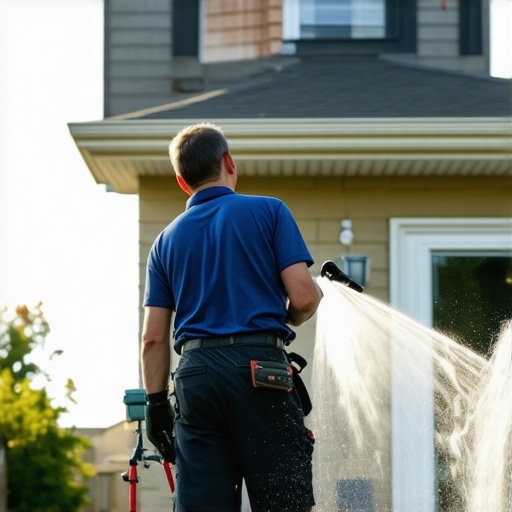
I remember the moment clearly—standing in my driveway, spray nozzle in hand, watching stubborn dirt and grime stubbornly cling to my siding. I had just spent a whole Saturday scrubbing with a garden hose and some soap, feeling like I was fighting a losing battle. That lightbulb went off in my head—there had to be a better way. And there was. Power washing became my secret weapon for transforming my home’s exterior into a sparkling, inviting showcase.
Why Power Washing Matters More Than Ever
If your home’s exterior looks dull, stained, or just plain grimy, you’re not alone. Over time, dirt, algae, mold, and pollution settle in, dulling your home’s charm and potentially causing long-term damage. Regular cleaning isn’t just about curb appeal; it’s about protecting your investment. A good power wash can extend the life of your siding, bricks, and decks, saving you costly repairs down the road.
But here’s the catch—if you don’t do it right, you could end up with more harm than good. I learned this the hard way early on. My first attempt was a rushed, overly aggressive spray that left streaks and even chipped some paint. That mistake taught me a crucial lesson: power washing isn’t just about blasting away dirt; it’s about technique, safety, and knowing your home’s materials. Want to avoid my costly mistake? Check out these expert tips for safe and effective power washing.
Is Power Washing Actually Worth the Hype?
Absolutely—if done correctly. Some skeptics worry about damage or whether it’s worth the effort. Believe me, I was there. My initial approach was too aggressive, which led me to question if I’d ruined my siding. But with the right techniques, power washing is a game-changer. It’s about knowing your equipment, adjusting pressure, and choosing the right nozzles for different surfaces. Trust me, the results speak for themselves—your home’s exterior will look fresh, vibrant, and well-maintained. For trusted strategies, read this guide on achieving reliable exterior results with confidence.
So, if you’ve faced the frustration of ineffective cleaning or the fear of damaging your home, don’t worry. I’ve been there. Next, I’ll walk you through proven techniques to make your next power washing experience safe, effective, and long-lasting. Ready to bring back that curb appeal? Let’s dive in!
Choose the Right Equipment and Prepare Correctly
My first real power washing attempt was a messy, uneven spray that left streaks on my siding. To avoid repeating that mistake, start by selecting the appropriate power washer for your home. A model with adjustable pressure settings is ideal because it allows you to control the force depending on the surface. Before you begin, clear the area of furniture, plants, and any fragile items. Cover nearby plants with plastic sheeting and wear protective gear such as goggles, gloves, and sturdy shoes to stay safe from debris and high-pressure water.
Think of your power washer like a paintbrush—precision matters. Proper preparation ensures you won’t damage your home or yourself during the process. For detailed safety tips, check out these expert tips for safe and effective power washing.
Learn How to Use Nozzles and Adjust Pressure
Using the correct nozzle is crucial—imagine trying to clean a delicate glass with a hammer. For siding or painted surfaces, a 25° or 40° nozzle provides a gentler spray that cleans without causing damage. For stubborn stains on concrete or brick, a zero-degree nozzle offers more power but must be used sparingly and at a safe distance. Remember, always start with a lower pressure setting and increase gradually if needed.
During my first session, I accidentally held the trigger too long on a high-pressure setting, causing paint chips to flake. This taught me that adjusting pressure and maintaining a consistent distance—about 12 inches from the surface—is key to avoiding damage. For more on trusted techniques, see this guide on achieving reliable exterior results with confidence.
Master the Technique of Sweeping and Overlapping
Think of power washing like painting with broad, overlapping strokes. Hold the wand at a consistent angle and move steadily from top to bottom or side to side. Overlap each pass by about half the width of the spray to ensure even coverage. Keep the spray moving—pausing too long can cause streaks or water pooling, which might lead to damage.
One time, I started with a jerky, uneven motion, which left streaks on my siding. Once I adopted a smooth, sweeping technique, the surface looked uniform and clean. For proven strategies, explore this reliable guide for lasting results.
Apply Cleaning Solutions for Tough Stains
If your home has mold, algae, or stubborn dirt, applying a cleaning solution before rinsing can make a big difference. Use a biodegradable, non-abrasive cleaner suitable for your home’s material. Spray it onto the surface and let it sit for 5-10 minutes—think of it as a magic potion loosening grime—then scrub lightly with a brush if needed before rinsing.
Remember, never use harsh chemicals that could damage your landscape or the environment. For trusted cleaning methods, visit this trusted techniques guide.
Finish with a Thorough Rinse and Inspection
Conclude your power washing session by thoroughly rinsing the entire area. Use a wider spray nozzle at a lower pressure for the final rinse to remove any residual soap or dirt. Walk around your home to inspect for missed spots or streaks, and touch up if necessary. Afterward, let the surface dry completely—this helps you evaluate the quality of your work and ensures no damage was done during the process.
Applying these concrete steps transformed my approach from guesswork to confidence. With practice, you’ll develop an eye for detail and technique, leading to lasting, trust-inspiring results. For additional tips, check out these proven strategies for lasting home shine.
Many homeowners jump into power washing with enthusiasm, but a surprising number of beginners make critical mistakes that can damage their property or waste time and money. Let’s dig deeper into what most people get wrong about power washing, and how you can avoid these pitfalls to ensure a safe, effective clean.
Myth: More Pressure Means Better Cleaning
One of the most widespread misconceptions is that cranking up the pressure will clean faster and better. In reality, excessive pressure can strip paint, etch concrete, or damage delicate siding. The key is to use the right pressure for your specific surface. For example, soft washing techniques, which utilize lower pressure combined with cleaning solutions, are more effective for fragile surfaces like vinyl siding or wood. To learn more about choosing correct pressure settings, check out these expert tips for safe and effective power washing.
Common Trap: Neglecting Surface Preparation
Skipping proper prep work is a costly mistake. Failing to clear the area of furniture, plants, or fragile decorations can lead to accidents or damage. Additionally, not protecting nearby landscaping with plastic sheeting can result in chemical or debris damage. Proper preparation involves thorough clearing and covering, which many overlook in their haste. Trust me, taking the extra 15 minutes upfront saves hours of cleanup or repairs later. For detailed safety and prep guidance, see these trusted preparation tips.
Advanced Question: How Do I Handle Multi-Material Surfaces Effectively?
If your home features a mix of materials—such as brick, vinyl, and wood—it’s crucial to tailor your approach. Different surfaces react uniquely to water pressure and cleaning solutions. For instance, brick can handle higher pressure but needs a different nozzle than vinyl siding. Wood requires gentle cleaning to prevent warping. The secret is to use a combination of techniques: high-pressure for sturdy materials, soft washing for softer ones, and always test a small, inconspicuous area first. This nuanced approach ensures thorough cleaning without damage. For expert strategies on multi-material surfaces, visit this detailed guide. Interestingly, a study by the National Association of Home Builders highlights that improper cleaning can accelerate material degradation, underscoring the importance of tailored methods.
Have you ever fallen into this trap? Let me know in the comments. Remember, power washing is as much about technique as it is about equipment. Approach it with care, and your home will thank you with lasting curb appeal and protection.
Maintaining your power washing equipment is crucial to ensure it continues to deliver that pristine, reliable clean every time. My personal routine involves a few key tools and methods that have proven their worth over years of home exterior cleaning. First, investing in a high-quality detergent sprayer helps me apply cleaning solutions evenly and efficiently, especially on stubborn stains. I prefer models with adjustable spray patterns and pressure controls, which allow me to switch from gentle rinses to heavy-duty cleaning without damaging sensitive surfaces.
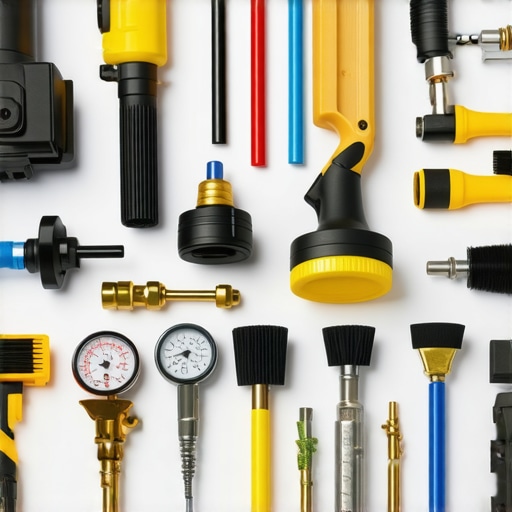
Next, I always keep a set of nozzle wrenches and spare nozzles on hand. Over time, nozzles can clog or wear out, affecting spray accuracy and pressure. Regularly replacing or cleaning nozzles ensures my power washer performs optimally. I personally favor stainless steel nozzles because they resist corrosion and maintain a sharp spray angle longer.
For long-term efficiency, a fuel stabilizer is essential if you use a gas-powered power washer. It prevents fuel degradation and carburetor gumming, which can cause starting issues or reduced performance. I also use a pressure gauge attachment to monitor output and prevent accidental damage from excessive pressure. This small addition gives me peace of mind and helps me fine-tune the pressure for each surface.
As for storage, I recommend a waterproof, insulated container for your hoses and accessories. Proper storage prevents freezing, cracking, or mold buildup, extending the lifespan of your equipment. Additionally, a routine cleaning brush for nozzles and filters keeps debris from clogging your spray system.
Looking ahead, I believe the trend toward smart pressure washers integrated with sensors and app controls will revolutionize home exterior cleaning. These innovations will enable real-time adjustments, maintenance alerts, and even remote operation, making power washing safer and more precise. To stay ahead, I recommend familiarizing yourself with these emerging technologies and upgrading your equipment accordingly.
How do I maintain my power washing tools over time? The key is regular inspection, cleaning, and proper storage. Always flush your system after each use, especially when switching between cleaning agents, to prevent residue buildup. Check hoses and connections for leaks or cracks, replacing damaged parts immediately. Lubricate moving parts periodically to keep them functioning smoothly. And finally, schedule annual professional tune-ups for your gas-powered units to ensure peak performance. For a comprehensive maintenance checklist, explore these expert tips. Incorporating these simple habits ensures your power washer remains a trusted tool, delivering consistent, trustworthy results for years to come. Why not try out a new nozzle or pressure gauge today to see the difference it makes? It’s a small investment for long-lasting reliability and superior cleaning power.
What I Wish I Knew Before Power Washing My Home
- Patience beats pressure: Rushing through the job often causes streaks or damage. Slow, steady, overlapping passes produce the best results and protect surfaces.
- Proper prep is essential: Clearing furniture, covering plants, and protecting delicate areas saves time and prevents costly mistakes.
- Right tools matter: Investing in adjustable pressure washers and quality nozzles made a huge difference in achieving a safe, effective clean.
- Test small areas first: Always try your settings on an inconspicuous spot. It prevents surprises and helps you fine-tune your technique.
- Know your surfaces: Different materials require different approaches. Soft washing for siding, high pressure for concrete, gentle for wood—tailor your method accordingly.
My Top Resources for Power Washing Success
- Expert safety tips: Ensures your approach is safe and effective, preventing damage and accidents.
- Reliable cleaning techniques: Guides you through choosing the right nozzle, pressure, and cleaning solutions for lasting results.
- Proven strategies: Help you avoid common pitfalls and maximize your home’s curb appeal.
- Trusted techniques: Focuses on surface-specific methods that protect your home and ensure a professional-looking finish.
Your Turn to Elevate Your Home’s Curb Appeal
Power washing is a powerful tool to enhance your home’s exterior, but it requires patience, knowledge, and the right approach. With these insider lessons and trusted resources, you’re well on your way to achieving lasting, stunning results. Don’t let fear or uncertainty hold you back—start today and transform your home into a shining example of care and pride. Have you ever struggled with choosing the right nozzle or pressure? Share your experiences below and let’s learn together!
Wow, this post really resonated with me. I remember trying to power wash my siding for the first time and end up using too much pressure, which caused some paint to chip off. Now I know how important it is to start slow and test on small areas first. I’ve found that the difference between a good clean and home damage often boils down to understanding the right nozzle and pressure settings for each material. I also appreciate the tip about covering plants and outdoor furniture beforehand—definitely saves a lot of cleanup later. I’ve been curious about how to handle surfaces like brick and wood effectively. Do you have any specific recommendations or techniques for multi-material homes? I’d love to hear how others approach this balancing act without risking damage. Overall, great tips—power washing seems like a true game-changer when done properly!