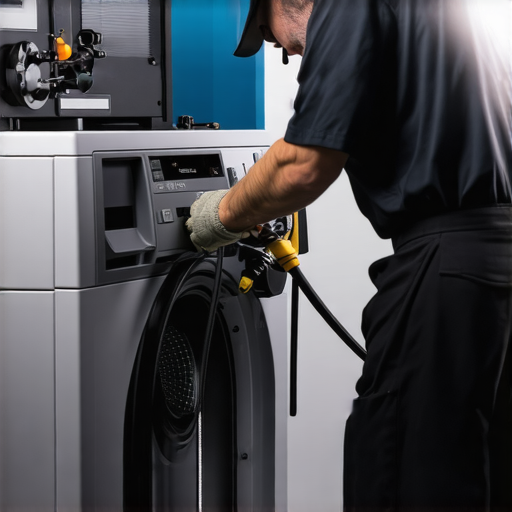
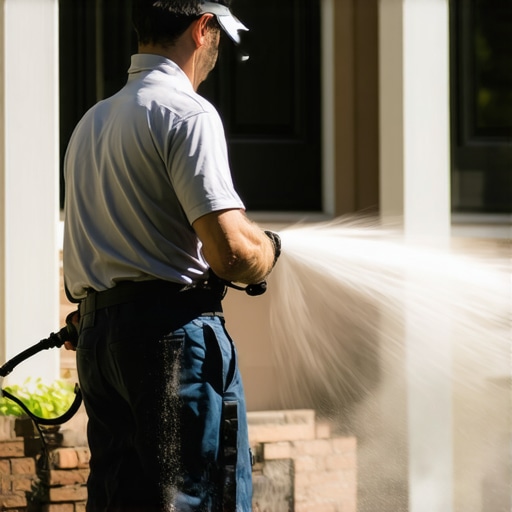
Ever had that sinking feeling when you turn on the power washer and realize you’re making things worse? I remember the first time I tried to clean my home’s exterior. I was eager to see a spotless shine, but instead, I ended up with streaks, patches, and even some damaged siding. It was a frustrating moment—that lightbulb realization that maybe I’d jumped in too quickly without knowing the right techniques.
Why Proper Power Washing Matters More Than You Think
Power washing isn’t just about blasting away dirt; it’s about restoring your home’s curb appeal without causing harm. When I first started, I thought high pressure was the answer—turns out, that’s often a mistake. I learned the hard way that using too much pressure can strip paint, damage siding, or force water into places it shouldn’t go. According to experts, choosing the right pressure and technique is crucial for lasting results that you can trust. It’s not just about looks; it’s about protecting your home investment and ensuring safety.
Is Power Washing Actually Worth the Hype?
Honestly? I was skeptical at first. I worried about wasting time and money on something that might damage my home. Early on, I made the mistake of rushing into the job without proper prep or understanding the equipment. I didn’t realize that different surfaces require different approaches. But once I started following proven strategies—like those outlined in this trusted guide—the results became undeniable. My home looked better, stayed in great shape longer, and I felt confident that I wasn’t doing more harm than good.
If you’ve ever hesitated because you’re worried about damaging your house or just don’t know where to start, you’re not alone. It’s easy to be overwhelmed by all the conflicting advice out there. But trust me, with the right techniques, power washing can be safe, effective, and even enjoyable. The key is understanding what works and what doesn’t—something I’ve learned through trial, error, and lots of research.
Now, I’m eager to share the proven methods that transformed my approach to power washing. Stick around, and I’ll show you how to achieve professional-quality results that last—no guesswork, just reliable, trustworthy techniques that protect your home and boost its curb appeal.
Choose the Right Equipment for Effective Results
My first attempt at power washing was a messy lesson in equipment selection. I initially grabbed a borrowed pressure washer without checking its specifications. The result? A streaked siding and an embarrassing need to redo the job. To get it right, start by selecting a power washer with adjustable pressure settings. For most home exteriors, a machine that offers between 1500 to 2500 PSI is ideal. Use a wide spray nozzle (25 to 40 degrees) to distribute pressure evenly, preventing damage. When I upgraded my equipment, I noticed a significant difference in ease and quality of cleaning—it’s like switching from a garden hose to a professional tool. For a comprehensive guide, see this trusted guide.
Many homeowners jump into power washing with the assumption that more pressure or a quick blast will deliver the best results. However, this oversimplification can lead to costly mistakes. One of the most pervasive myths is that higher PSI always equals better cleaning. In reality, using excessive pressure can damage delicate surfaces like siding, stucco, or wood. Instead, understanding the nuances—such as proper nozzle selection and pressure adjustment—is crucial for effective and safe cleaning. For example, a wider spray nozzle (like 25 to 40 degrees) distributes pressure more evenly, reducing the risk of damage while still removing grime effectively. To avoid common pitfalls and choose the right equipment, check out this comprehensive guide.
Another frequently overlooked aspect is the importance of surface-specific techniques. Many people assume that a one-size-fits-all approach works, but different materials require different care. For instance, cleaning brick requires a different approach than vinyl siding to prevent erosion or discoloration. Applying the wrong technique can cause long-term harm, such as forcing water behind siding or stripping paint. Advanced homeowners or professionals often use low-pressure washing combined with specialized cleaning solutions to achieve lasting results without damage. This nuanced approach is supported by experts who emphasize tailored strategies for each surface, as outlined in this resource.
What about the myth that power washing always restores your home’s appearance?
It’s tempting to believe that simply blasting away dirt will make your home look brand new. However, this overlooks the importance of proper prep and technique. Without pre-treatment or the right pressure, you might only remove surface grime temporarily or even cause damage that accelerates deterioration. For example, high-pressure washing on painted surfaces can strip paint or cause peeling, leading to more repair work down the line. The key is combining correct pressure settings with pre-treatment solutions and proper technique. A detailed, expert-approved method is available in this trusted guide.
Finally, many don’t realize that power washing is not a one-and-done task. Regular maintenance and cautious approach extend the lifespan of your home’s exterior. Rushing into a high-pressure clean without understanding the nuances can backfire, causing long-term damage and costly repairs. If you want trustworthy, lasting results, it’s essential to follow proven strategies that prioritize safety and surface integrity. Have you ever fallen into this trap? Let me know in the comments.
Invest in Quality Equipment for Long-Term Power Washing Success
Choosing the right power washer is crucial for maintaining consistent results over time. I personally prefer machines with adjustable pressure settings up to 3000 PSI, which give me the flexibility to clean different surfaces without risking damage. For example, I use a pressure washer with a professional-grade motor that handles frequent use without overheating, ensuring longevity. A variable nozzle that adjusts from 25 to 40 degrees allows me to switch seamlessly between gentle cleaning and more aggressive scrubbing, depending on the job. This setup not only saves time but also reduces wear and tear on the equipment, making maintenance easier. For a detailed review of my favorite models and why I trust them, check out this guide.
How do I maintain my power washer to ensure it keeps working reliably?
Regular maintenance is key to keeping your power washing equipment in top condition. I recommend flushing the system with clean water after every use to remove residual dirt and prevent clogging. Checking the inlet filter monthly and replacing it if clogged ensures consistent water flow. Additionally, inspecting hoses for cracks or leaks prevents unexpected failures during a cleaning session. Using a pump saver or a corrosion inhibitor periodically can extend the life of internal components—this is something I learned from expert advice in this trusted resource. Don’t forget to store your pressure washer in a dry, covered area to prevent rust and damage from the elements. Following these simple steps ensures your equipment remains dependable for years to come.
Tools I Recommend for Effective Power Washing
Beyond the machine itself, the accessories you choose make a significant difference. I swear by a high-quality extension wand that lets me reach second-story areas without needing a ladder. It’s made from lightweight aluminum, so I can maneuver it easily for prolonged periods. For nozzle tips, I keep a set of color-coded options to quickly switch between wide spray and pinpoint jets, depending on the surface. A surface cleaner attachment also helps me achieve even, professional-looking results on driveways and patios, saving me hours of hand scrubbing. Investing in these tools not only improves the quality of your work but also reduces fatigue and strain. If you want to see the tools I personally rely on, check out this comprehensive guide.
Future Trends in Power Washing Equipment
Looking ahead, I predict that battery-powered pressure washers will become more popular due to advancements in battery technology, offering greater mobility without sacrificing power. Smart features, like app-controlled pressure adjustments and maintenance alerts, are also likely to become standard. These innovations will make power washing more accessible and less labor-intensive, enabling homeowners to maintain their exteriors more frequently and with less hassle. Staying updated on these trends will help you choose equipment that not only works today but remains reliable in the future. For now, investing in robust, adjustable models and learning proper maintenance techniques will ensure your power washing efforts produce lasting results. Remember, a well-maintained tool is your best ally in keeping your home’s exterior beautiful and protected for years to come. Try incorporating a routine check of your equipment before each use—it’s a simple step that pays off in the long run.
The Hardest Lesson I Learned About Power Washing
One of my biggest mistakes was rushing into the job without proper equipment or surface knowledge. I learned that using too much pressure can cause permanent damage, like stripping paint or forcing water behind siding. Patience and preparation are essential for lasting results. This insight changed how I approach each project, emphasizing surface-specific techniques and correct pressure settings.
3 Myths About Power Washing That Held Me Back
Believing that higher PSI always equals better cleaning was a costly misconception. I also thought that quick, aggressive blasting would do the trick, but it often led to damage. Finally, I underestimated the importance of pre-treatment solutions for stubborn grime. Debunking these myths helped me achieve more effective, safe, and long-lasting results, and I recommend others do the same by following trusted guides like this resource.
What Experts Won’t Tell You About Power Washing
Many professionals emphasize the importance of surface-specific techniques, which most homeowners overlook. For example, cleaning brick requires a different approach than vinyl siding to prevent erosion. Also, proper nozzle selection and pressure adjustment are crucial for avoiding long-term damage. Gaining this insider knowledge has profoundly improved my results and saved me from costly repairs.
How I Transformed My Power Washing Results
By investing in a quality pressure washer with adjustable settings and a set of versatile nozzles, I could tailor my approach to each surface. Regular maintenance of my equipment, like flushing out residual dirt and inspecting hoses, keeps it reliable. Using tools like surface cleaners and extension wands has made my work faster and more professional-looking. For detailed recommendations, check out this guide which I personally trust.
Don’t Wait to Elevate Your Power Washing Game
Taking the time to learn and apply these proven techniques has made a huge difference in my home’s appearance and durability. The biggest breakthrough was realizing that power washing isn’t just about blasting away dirt but about restoring and protecting your investment. Now, I encourage you to start your own journey with confidence—your home deserves it. Have you ever struggled with choosing the right pressure or technique? Let me know below and share your experience!