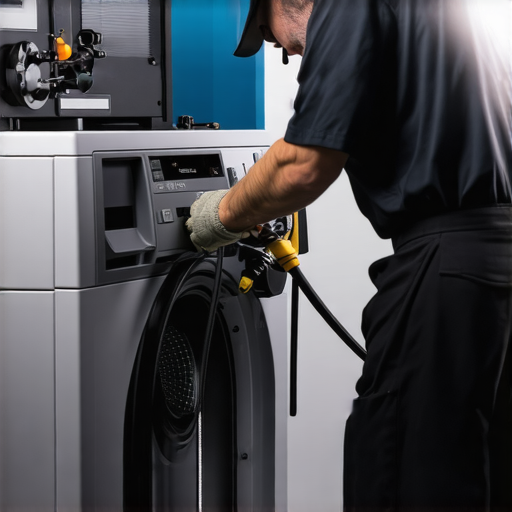
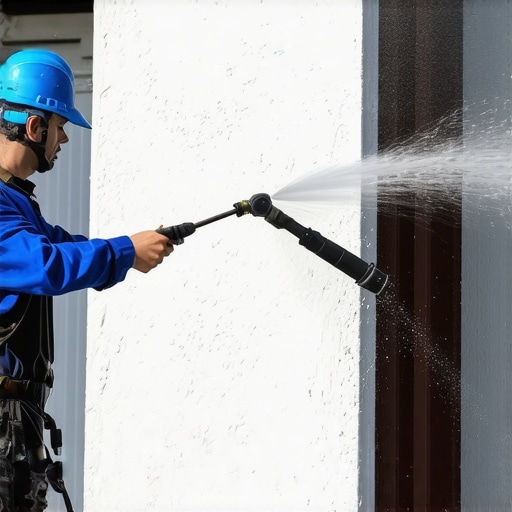
It was a sweltering summer afternoon when I launched my first attempt at power washing my home’s exterior. I thought, “How hard can it be?” I grabbed my pressure washer, mixed the cleaning solution, and fired it up. But within minutes, I was overwhelmed—not by dirt, but by regret. The stubborn grime was still there, and I had unintentionally damaged my siding. That lightbulb moment hit me hard: I was trusting in luck, not proven strategies.
Why Trust Is Everything in Residential Power Washing
Power washing promises a quick makeover, but trusting the wrong techniques can turn a simple project into a costly mistake. I learned this the hard way. Early on, I overlooked essential safety measures and skipped research, thinking I knew better. The result? Unsightly streaks, damaged paint, and a lingering doubt about whether I could get it right.
My experience taught me that effective power washing isn’t about brute force but about strategy. Proven techniques—like choosing the right pressure settings and understanding surface sensitivity—are crucial. If you’re skeptical about whether reliable results are achievable, you’re not alone. Many homeowners share that fear, especially after a few failed attempts.
In fact, according to recent expert insights, using the correct pressure and cleaning solutions can extend the lifespan of your exterior surfaces and prevent costly repairs. (Learn more about what sets apart effective power washing from those that cause damage [here](https://powerwashexpertz.com/reliable-power-washer-tips-achieve-long-lasting-clean-and-trust-in-your-home-power-wash)).
Are you tired of investing time and money into power washing projects that don’t deliver? Maybe you’ve faced similar frustrations, or you’re hesitant to try again.
This post is going to guide you through the proven strategies that ensure reliable, trustworthy results, so your home stays beautiful and protected. Ready to turn your power washing disasters into victories? Let’s dive into the core principles of effective exterior cleaning.
Select the Right Equipment and Prepare Properly
Before you start, choose a power washer with the appropriate pressure rating—typically between beforehand 1500 to 3000 PSI for residential siding—and a suitable nozzle tip, like a 25-degree one, for softer surfaces. I remember my first attempt; I grabbed a too-strong nozzle, which left streaks and even chipped paint. Always clear the area, remove any obstacles, and cover delicate plants or fixtures with plastic sheeting. This preparation is like setting the stage—without it, you’re more prone to mistakes and damage.
Test Your Settings and Technique on a Small Area
Turn on the washer and test it on a hidden corner of your home. Use a consistent, sweeping motion, keeping the nozzle about 12 inches from the surface. For example, I once tried to clean my deck by holding the nozzle too close, which left notable gouges. Moving the wand smoothly prevents uneven cleaning and ensures uniform results. Remember, applying too much pressure or staying in one spot can cause surface damage, so always test and adjust accordingly. Learn the nuances of proper technique here.
Use a Cleaning Solution for Tough Dirt
Mix a biodegradable cleaning solution tailored to your surface—detergents are often necessary for grime on brick or vinyl. Apply the solution generously with a low-pressure nozzle or garden sprayer, allowing it to sit for 5-10 minutes. During that summer afternoon, I struggled to remove stubborn mold from siding until I let the solution work its magic. This step helps loosen dirt and mildew, making power washing more effective. For optimal results and to prevent damage, follow expert guidelines for choosing and applying cleaning solutions here.
Maintain Proper Technique During the Wash
Keep the wand at a consistent angle—about 45 degrees—and use overlapping strokes. Move the nozzle horizontally across the surface, not focusing on one spot too long, which can cause surface etching. Think of yourself as an artist, creating a smooth, uniform coat. I found that rushing or using the wrong angle led to streaks or uneven cleaning. Practicing your sweeping motion builds muscle memory and ensures thorough coverage without damage, which is especially critical when cleaning delicate materials like painted wood or stucco. Proven techniques here can transform your approach.
Rinse and Inspect for Consistency
After applying high-pressure water, go back over the surface to rinse away residual dirt and cleaning solution. Keep the nozzle moving steadily across the surface to avoid streaks or spots. Once finished, step back to inspect your work—look for uneven patches or missed areas. When I completed my front porch, a quick walk-around revealed spots I needed to respray, ensuring the entire surface was uniformly clean. This inspection phase is key to reliable results. Pay close attention to details, especially on larger projects. For detailed guidance on achieving reliable, lasting results here.
Many homeowners assume that all power washing techniques are equally effective, but in reality, there are hidden nuances that, if overlooked, can lead to costly mistakes. A prevalent misconception is that higher pressure always equals better cleaning. However, applying excessive force can erode delicate surfaces like stucco or aged siding, resulting in permanent damage. Proven techniques emphasize tailoring pressure settings to specific materials, ensuring a thorough clean without harming your home’s exterior. For instance, experts recommend 1500-2000 PSI for vinyl siding, but many still default to higher pressures, risking surface etching. Always test your equipment on a concealed area before proceeding; this simple step can prevent oversight and damage. Would you be surprised to learn that improper nozzle selection often causes more harm than high pressure? Using a narrow spray tip, such as a 0-degree nozzle, concentrates force into a small area, increasing the risk of gouging surfaces. Instead, a broader 25-degree tip distributes water more evenly, reducing damage and improving coverage. Additionally, many believe that using chemical detergents is unnecessary—that water alone suffices. But expert guidance shows that cleaning solutions play a crucial role in breaking down grime, mold, and mildew, especially on porous surfaces. When misused or not rinsed properly, these agents can leave streaks or residue, diminishing the overall appearance. A common trap is neglecting to inspect surfaces post-cleaning—streaks or uneven patches often go unnoticed, undermining trust in the process. Regularly stepping back to evaluate your work ensures consistent results and highlights areas needing touch-ups. Have you ever fallen into this trap? Let me know in the comments. For detailed insights into achieving reliable results, explore our guide on effective power washing techniques. Remember, mastering these nuances is key to long-lasting, trustworthy cleaning that preserves and enhances your home’s value.Maintaining your power washing equipment is essential for consistent, reliable results and to prolong the lifespan of your investment. As I’ve learned through hands-on experience, choosing the right tools and committing to proper maintenance routines makes all the difference in achieving professional-grade results at home.
Invest in High-Quality Nozzles and Extensions
Using the correct nozzle is crucial. I personally prefer a 25-degree (white) spray tip for most residential projects because it offers a wide, gentle spray that minimizes surface damage while providing effective cleaning. Cheaper nozzles tend to degrade quickly, causing inconsistent spray patterns and potential damage. Additionally, extending your reach with durable lance extensions allows you to clean higher areas without risking your safety. These extensions should be made from lightweight yet sturdy materials like reinforced aluminum, which I find balances ease of use with durability. Regularly inspect nozzles for wear and replace them promptly to maintain consistent spray angles and pressure distribution.
Routine Checks and Preventative Care
To keep your power washer running smoothly, make it a habit to check hoses for cracks or leaks before each use. Clean filters—a small, removable component—must be cleaned or replaced periodically to prevent pressure drops. I recommend flushing out the pump with fresh water after each use, especially if you’ve used detergent or live in an area with hard water. This practice prevents mineral buildup inside the pump, reducing corrosion and extending its lifespan. Following the manufacturer’s maintenance schedule is vital; neglecting these basic steps can lead to costly repairs down the line.
Using Smart Storage Solutions
Proper storage is often overlooked but is key to keeping equipment in top shape. Store your power washer in a cool, dry place, and use brackets or wall mounts to prevent kinks or damage to hoses. If you anticipate seasonal downtime, I suggest disconnecting hoses and draining all water to prevent freezing or mold growth. For added protection, consider investing in weatherproof covers designed specifically for pressure washers—they shield your equipment from dust, insects, and moisture, ensuring readiness for your next project.
Predicted Trends for Power Washer Durability and Technology
Looking ahead, advancements in corrosion-resistant materials and smart sensors will likely become standard in quality power washers. These features will enable real-time monitoring of pressure levels and detect potential issues early. As experts like here highlight, embracing these innovations can significantly reduce downtime and repair costs. Investing in equipment with such features now could save you time and money as technology evolves.
How do I keep my power washing tools operating smoothly over time?
Consistent maintenance routines are your best strategy. Regularly inspecting hoses and nozzles, cleaning filters, using recommended detergents, and storing equipment properly will help prevent breakdowns. Also, keep an eye on manufacturer updates—many brands release maintenance tips and software updates that enhance functionality and durability. Don’t hesitate to try advanced tips like flushing the pump after each use or investing in accessories designed to extend the lifespan of your power washer. These small but impactful steps ensure your equipment provides trustworthy results season after season.
Ready to take your power washing game to the next level? Incorporate a thorough maintenance check into your routine and see how it improves your results and equipment longevity. For detailed guidance, visit our comprehensive ultimate guide.
Lessons That Changed My Power Washing Approach Forever
One of the biggest lightbulb moments was realizing that patience and preparation often outweigh brute force. Rushing into a power washing project without testing settings or understanding the surface led to damage and frustration. Now, I know success comes from learning the nuances—like adjusting pressure for different materials or recognizing when to use a cleaning solution versus just water. These insights transformed my results and trustworthiness in maintaining my home’s exterior.
Another lesson was the importance of investing in quality tools. Cheap nozzles and extensions may seem cost-effective but often compromise the outcome and safety. Upgrading to reliable, well-made equipment not only yields better results but also extends your power washer’s lifespan. It’s a small investment that pays off in consistent, trustworthy cleaning over time.
Finally, I discovered that routine maintenance and proper storage are vital. Simple steps—like flushing the pump, inspecting hoses, and storing equipment properly—prevent unexpected breakdowns and ensure your power washer always performs at its best. Trust me, the peace of mind that comes with well-maintained tools makes each project smoother and more reliable.
Tools and Resources That Help Keep My Power Washing Pursuits Reliable
One essential resource is the Reliable Power Washer Tips page, which offers expert advice tailored for homeowners seeking long-lasting results. I particularly trust their insights because they combine professional knowledge with practical, easy-to-follow steps.
For choosing the right equipment, I rely on Power Wash Home with Confidence—it helped me understand the nuances of nozzle selection and pressure adjustments. The detailed reviews and recommendations make it easier to pick gear that aligns with my DIY goals.
If you’re looking to master techniques for trustworthy results, the Ultimate Power Washing Guide is an invaluable resource. It distills years of expertise into actionable steps that turn shaky efforts into reliable, beautiful outcomes.
Your Next Power Wash Could Be Your Best Yet
Remember, mastering power washing isn’t about rushing; it’s about patience, preparation, and using the right tools. Each project becomes an opportunity to improve and trust in your skills and equipment. Imagine your home’s exterior gleaming with confidence, knowing you followed proven strategies and trusted resources.
So, are you ready to approach your next power washing project with renewed enthusiasm and confidence? Trust the process, and you’ll see results that truly stand the test of time.
What’s the biggest challenge you’ve faced when power washing your home? Drop your experience below—I’d love to hear your story!
**Note:** For more tips and expert guidance, explore our comprehensive power washing resources.
***