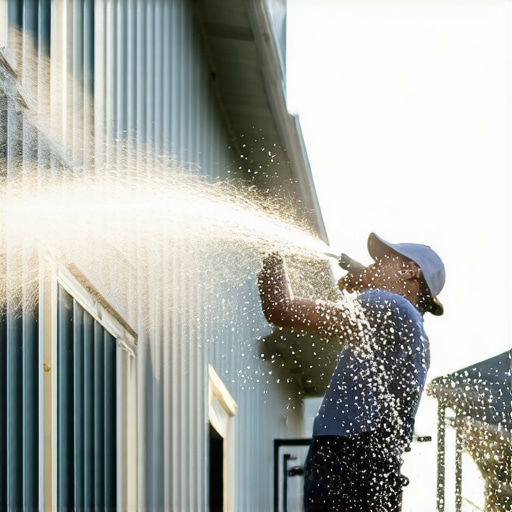
It was a bright Saturday morning when I stepped outside, expecting to enjoy a peaceful weekend. Instead, I was greeted by a grimy, streaked facade that made my once-beautiful home look decades old. I had tried everything—scrubbing, harsh chemicals, even renting a pressure washer several times—but the dirt kept stubbornly clinging on. That lightbulb moment hit me hard: I was going about power washing all wrong. I realized that without the right techniques, I was wasting time and risking damage to my home’s exterior.
The Power of Proven Techniques to Last
If this sounds familiar, you’re not alone. Many homeowners struggle with getting that clean, shiny finish that truly boosts curb appeal and preserves their property’s value. The good news? I’ve learned that by following certain trusted methods, you can achieve results that last—without damaging your siding or wasting endless hours. Today, I’ll share the techniques I wish I knew early on, so you can power wash confidently and effectively.
Is Power Washing Actually Worth the Hype?
When I first started, I was skeptical. I wondered if it was just a fancy trend. But reputable sources, like Power Wash Expertz, emphasize that proper power washing can extend the life of your siding and prevent costly repairs. Early on, I made the mistake of using the pressure washer too aggressively, which cracked my siding instead of cleaning it. Trust me—learning the right pressure settings and techniques is essential to avoid costly mistakes and get that lasting shine.
Getting Started with the Right Equipment
Before you spray a single streak of dirt, ensure your power washer is up to the task. I recommend a pressure setting between 1500 and 3000 PSI for home sidings; too high can cause damage. Attach a wide-angle nozzle—think of it as the difference between a gentle rainstorm and a hurricane; the wide-angle disperses pressure evenly, reducing risk while cleaning effectively. When I first attempted power washing my porch, I used the wrong nozzle and nearly etched scratches into the wood—learning the proper nozzle made all the difference.
Mastering the Technique for Effective Cleaning
Maintain a Consistent Distance
Keep the nozzle about 12 to 18 inches from the surface. This distance balances cleaning power with the safety of your siding, much like holding a garden hose at arm’s length prevents damage while still applying enough pressure. I once got too close to my brickwork, which caused erosion; pulling back a bit saved me from costly repairs.
Use Overlapping Strokes
Think of painting a wall—you don’t want gaps or uneven coverage. Keep your nozzle moving in overlapping passes, about a foot wide each time. When I cleaned my patio, overlapping strokes prevented streaks and ensured uniform dirt removal, leading to a shiny finish that lasted longer.
Pay Attention to Surface-Specific Techniques
Wood, vinyl, brick—each surface demands a tailored approach. For wood decks, use lower pressure to avoid splintering; for concrete drives, higher pressure can blast away stubborn stains. I once used high pressure on my wooden fence, causing splinters that took weeks to fix, reinforcing the importance of surface care. For comprehensive guidance, consider reading this trusted guide to surface-specific methods.
Preparing Your Home for Power Washing
Clear the area of furniture, plants, and fragile decor. Cover nearby plants with plastic sheeting—similar to shielding your eyes from a bright flash, it protects delicate foliage from high-pressure spray. I learned this the hard way when I forgot to protect my flowerbeds; the spray dislodged some plants, creating extra work. Use masking tape to seal electrical outlets or vents, preventing water intrusion and damage, an easy precaution that saves headaches later.
Executing with Confidence for Long-Lasting Shine
Start from the top and work downward. Use a gentle, sweeping motion while maintaining consistent speed—imagine drawing smooth, wide arcs in the air. I found that rushing caused uneven cleaning and missed spots, but a steady pace ensured a professional-looking result. Keep the nozzle moving at about a foot per second; staying stationary risks etching or water pooling. For expert tips, check this comprehensive advice.
Post-Clean Inspection and Care
After rinsing, examine your work. Look for missed spots or streaks—touch them up with a hand brush if needed. Allow surfaces to dry thoroughly to prevent mold growth. Trust me, patience at this stage preserves your hard-earned shine. For maintaining your home’s exterior, consider recurring sessions every couple of years, depending on climate and dirt levels. This routine keeps your home looking pristine and prolongs the effectiveness of your cleaning efforts, as detailed in this trusted resource.
Many homeowners approach power washing with a set of misconceptions that can lead to subpar results or even damage. One prevalent myth is that higher pressure always equals better cleaning. In reality, pushing the pressure beyond recommended levels, especially on delicate surfaces, can cause irreversible damage like gouging siding or cracking paint. Trusted sources, like this guide, emphasize the importance of tailored pressure settings to match your surface type.
Why do many people believe more pressure equals cleaner results, and is it true?
This misconception stems from the assumption that force equals effectiveness. However, the real secret lies in proper technique and equipment, not just brute force. Over-pressurizing can embed dirt deeper or damage materials, leading to costly repairs. Using the correct nozzle and maintaining the recommended distance ensures dirt removal without harm. It’s worth noting that over-reliance on pressure alone neglects the cleaning power of proper technique, like overlapping strokes and surface-specific adjustments. So, instead of turning your pressure to maximum, focus on the quality of your technique—this gains long-lasting results.
Another frequently misunderstood aspect is the idea that cleaning solutions are unnecessary. Some think water alone suffices, but professional-grade detergents breaking down grime more efficiently are crucial for stubborn stains, especially on textured surfaces. A common mistake is neglecting to pre-treat heavily soiled areas, which diminishes the effectiveness of the power wash. Applying suitable cleaning solutions before rinsing enhances cleaning speed and results, as explained comprehensively in this trusted resource.
Then there’s the myth that power washing is unsafe for all homes. This couldn’t be further from the truth, provided you follow proven techniques. Using the right equipment, adjusting settings appropriately, and taking surface-specific precautions protect your property while achieving pristine results. For instance, using lower pressure on wood decks prevents splintering, while higher pressure can be safely used on concrete surfaces to blast away stains. Avoiding these nuances can turn a simple cleaning task into a costly repair. For an advanced look at surface-specific methods, consider reviewing expert-approved techniques.
In sum, the key to effective power washing isn’t just about more power or faster results—it’s about understanding the nuances. Don’t fall for oversimplified myths that could hurt your home or your wallet. Remember, combining proper equipment, surface-aware techniques, and trusted cleaning solutions will produce the best, longest-lasting outcomes. Do you feel you’ve been misled by these common myths? Let me know in the comments. And always ensure you follow expert advice to maximize your home’s curb appeal without risking damage.
To keep your power washing equipment performing at its best and ensure long-lasting results, investing in the right tools and adopting proper maintenance routines are essential. I personally prefer a high-quality pressure washer with adjustable PSI and a variety of nozzles, as it allows me to tailor each cleaning session to the specific surface—preventing damage and optimizing efficiency. For instance, I rely on the turbo nozzle for stubborn grime on concrete but switch to a wide-angle spray for delicate sidings. Regularly inspecting hoses and connectors for leaks, and applying protective lubricants to moving parts, extends the lifespan of your equipment. Using specialized detergents, as recommended in trusted guides, boosts cleaning power and reduces the need for excessive pressure, further preserving your surfaces and tools. In the future, I believe power washing will increasingly incorporate smart technology, like app-controlled pressure settings and ongoing diagnostic tools, making maintenance even more accessible.
How do I maintain my power washing tools over time?
To keep your power washer functioning reliably, perform routine inspections after each use—checking for blockages, wear, and leaks. Flush out residual detergents to prevent buildup and store your equipment in a dry, temperature-controlled space to avoid corrosion. Replacing worn nozzles and tightening fittings periodically ensures optimal performance. Additionally, I recommend using a corrosion inhibitor annually to protect metal components, as suggested by industry expert Power Wash Expertz. Remember, neglecting regular maintenance can lead to decreased pressure, inefficiency, or costly repairs. An ounce of prevention truly goes a long way in this line of work. To make your equipment last, try adopting a simple routine: after each session, rinse thoroughly, inspect for damage, and lubricate moving parts. Reserve comprehensive checks for longer intervals, such as quarterly. Incorporate these habits into your power washing routine, and you’ll enjoy consistent, professional results for years to come.
Over the years, I’ve come to realize that the most powerful techniques in power washing aren’t just about blasting away dirt—they’re about intentionality, patience, and respecting the nuances of your home’s exterior. The biggest lesson I’ve learned is that surface-specific approaches and the right equipment, combined with expert insights, can dramatically extend the lifespan of your results. Investing time in understanding these details has saved me from costly repairs and countless hours of re-cleaning, proving that mastery in power washing is less about brute force and more about finesse.
What Homeowners Should Know to Keep Results Stunning
- Precision beats power: Using the correct pressure settings tailored to each surface prevents damage and ensures longer-lasting cleanliness. My experiences taught me that a little extra care can go a long way in preserving siding, wood, and brick.
- Consistent techniques matter: Overlapping strokes and proper angles aren’t just tips—they’re essentials I wish I’d prioritized from the start. These habits create uniform coverage and extend the life of your clean exterior.
- Prepping can’t be skipped: Protecting your surroundings, from plants to electrical outlets, saves time and frustration, and it’s a step I underestimated initially but now swear by for trouble-free results.
- Post-clean inspections make a difference: A thorough look after washing helps catch missed spots and prevent the need for frequent re-dos, conserving your effort and prolonging the shine.
- Understanding myths saves money: Combating misconceptions, like believing more pressure equals better cleaning, has helped me avoid damaging my home and wasting resources, something I encourage everyone to consider.
Tools and Resources That Boost My Power Washing Confidence
- Trusted surface-specific guides have been invaluable, offering tailored advice for different materials.
- The ultimate guide to trustworthy power washing provided me with essential techniques that boost confidence and results.
- Modern equipment, like adjustable PSI washers and a variety of nozzles, has elevated my cleaning game, making each session more efficient and safe.
- Staying updated with professional blogs and tutorials ensures I continue to improve, adapt, and enjoy longer-lasting clean outcomes.
Keep Your Home’s Shine Going Strong
Remember, power washing isn’t a one-and-done task; it’s an ongoing process of learning and refinement. Embrace the techniques that resonate with your home’s unique needs and don’t hesitate to revisit trusted resources when uncertain. A well-maintained exterior elevates your home’s beauty and preserves its value—so keep experimenting, keep learning, and watch your home shine for years to come.
What’s the biggest challenge you’ve faced when power washing your home? Share your story below—I’d love to hear how you overcame it!