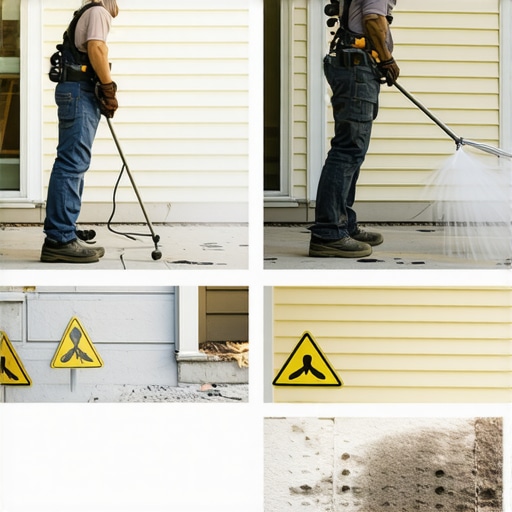
It was a bright Saturday morning when I grabbed my power washer, eager to give my home’s exterior a much-needed refresh. As I pulled the trigger and watched the high-pressure spray hit the siding, I suddenly realized I’d overlooked some crucial steps. A stubborn streak of paint peeled off, leaving me frustrated and dishearing the importance of knowing what pitfalls to avoid. That moment became my wake-up call, leading me down a path of learning how to properly care for my home’s exterior without causing damage.
Why Proper Power Washing Matters More Than Ever
Power washing is often seen as a straightforward task, but doing it correctly is essential to protect your home’s value and integrity. A bad mistake can turn a simple cleaning into a costly repair. And as we approach 2026, the technology and best practices for power washing continue to evolve, making it even more vital to stay informed. Proper techniques ensure your home looks its best and lasts longer, saving you time and money in the long run.
Is Power Washing Overhyped or Truly Worth the Effort?
I used to think of power washing as just a quick way to blast away dirt, but after some costly slip-ups early on — like using too much pressure on delicate siding — I learned that technique truly makes all the difference. Trust me, without proper guidance, it’s easy to cause more harm than good. Luckily, I found that following proven methods can yield impressive, lasting results. For a trusted roadmap with expert tips, check out this comprehensive resource.
If you’ve ever experienced streaks, damage, or just plain doubt about your approach, know you’re not alone. But with the right knowledge, power washing can be both safe and effective, transforming your home’s exterior into a clean, inviting space. Now, let’s dive into the top mistakes to avoid — and how you can sidestep them for a flawless finish in 2026.
Preparing Your Equipment for Success
Before you start, ensure your power washer is in top shape—check for leaks, inspect the hoses, and attach the correct nozzle. Think of your power washer as a precision tool, much like a surgeon’s scalpel—handling it carefully ensures a clean cut without damage. I learned this the hard way when I skipped this step and ended up with uneven spray patterns, which left streaks on my siding. Testing the spray on a small inconspicuous area helps you get comfortable with the pressure, preventing accidental damage.
Choose the Right Nozzle and Settings
Select the Correct Pressure and Nozzle
Using the right nozzle is critical. For delicate sidings like vinyl or stucco, a 25-40 degree nozzle (which disperses water over a wide area) minimizes risk of etching or peeling paint. Coincidentally, I once accidentally used a zero-degree nozzle—a pinpoint jet—on my wooden fence, causing gouges. Think of it as a paintbrush versus a needle: choose what’s appropriate for your surface. Adjust the pressure setting so it’s firm enough to clean but not overpowering.
Keep a Consistent Distance
Maintaining a steady distance—typically 8-12 inches—from surfaces ensures even cleaning without gouging. During my first attempt, I held the lance too close, leaving visible marks. Practice makes perfect; use a level and slow, sweeping motions, similar to watering plants—smooth and controlled.
Employ the Proper Technique for a Flawless Finish
Start from the top and work your way down to avoid streaks. Use wide, overlapping strokes, and keep your spray perpendicular to the surface. I once tried a quick zigzag approach and ended up with watermarks, which took hours to fix. Think of it like brushing teeth: methodical and thorough. Keeping your wand at the right angle prevents power wash splatter and dirt redeposition onto cleaned areas.
Address Challenging Areas Methodically
Gentle on Soft Materials
For softer surfaces like shingles or painted wood, reduce pressure and use a wider spray—akin to blowing dust away gently from delicate objects. I recall blasting a section of my painted deck and noticing the paint peeling—an important reminder to adjust your settings for each surface.
Cleaning Corners and Crevices
Employ a nozzle with a narrower spray or a manual brush for stubborn dirt in corners. Painting a picture with water is effective—be deliberate, not frantic. This ensures every nook and cranny is pristine without risking damage.
Rinse and Finish Smartly
After the main cleaning, rinse with a low-pressure setting to remove residual soap and loosened grime. Think of this as the final sweep—a clear rinse that leaves your home shining. I once skipped this step, and soap residue attracted dirt quickly, diminishing my work’s long-term effect. Using the right rinse technique solidifies the lasting trust in your power washing results.
Many homeowners believe that power washing is a straightforward task: blast away dirt and call it a day. However, this oversimplification masks the intricate nuances that determine the quality and safety of your cleaning. One common myth I often encounter is the notion that higher pressure always means better results. In reality, exceeding the ideal pressure can cause significant damage to delicate surfaces, such as vinyl siding or painted wood. According to industry experts, using the correct pressure for each material is critical for achieving lasting results without harm. To master this, I recommend exploring trusted resources like this guide which delves into surface-specific techniques and trustworthy methods.
Beware the Common Trap of Overconfidence
One of the most insidious mistakes is the assumption that DIY power washing requires minimal prep. Skipping crucial steps like inspecting equipment, testing spray patterns, or adjusting nozzle settings can lead to uneven cleaning or, worse, costly repairs. I personally learned this the hard way when I ignored the importance of testing on an inconspicuous area, which resulted in sidings with streaks and gouges. Remember, meticulous preparation is the backbone of trustworthy results. As I detail in this article, taking time to prepare saves you time and money down the line.
Why the Right Nozzle and Technique Matter Deeply
Choosing the appropriate nozzle is not just a detail—it’s the difference between a clean, long-lasting shine and surface damage. Wide-angle nozzles (like 25-40 degrees) distribute pressure evenly across surfaces, providing safe yet effective cleaning. Conversely, narrow nozzles deliver a concentrated jet that can gouge soft materials if not handled properly. An advanced tip is maintaining a consistent distance—about 8-12 inches—from surfaces. Holding the wand too close or moving erratically can cause streaks or etching. For expert-recommended techniques, check out this comprehensive guide. Did you know that even a slight deviation in technique can undermine your entire effort? It’s a fine line that takes experience to walk.
How Can You Avoid Common Power Washing Mistakes?
Understanding the subtle differences in pressure, nozzle choice, and surface sensitivity is vital. A good rule of thumb is to adjust your pressure based on the material—lower for soft surfaces, higher for concrete. Always test spray patterns beforehand and keep your wand movement slow and controlled. Remember, rushing leads to mistakes. Interestingly, a study by the Home Improvement Safety Institute emphasizes that improper cleaning techniques are a leading cause of damage during DIY projects. So, patience and preparation are your best allies.
In sum, mastering the nuances of power washing—beyond just turning on the machine—is essential for excellent results that last. Are you guilty of any common misconceptions? Have you ever fallen into this trap? Let me know in the comments, and for more expert techniques, visit this trusted resource.
Maintaining your power washing tools is crucial to ensuring consistent, professional results and extending the lifespan of your equipment. Personally, I rely on a few key practices and tools that have proven effective over years of DIY and professional work. By paying attention to the details, you can avoid costly repairs and keep your power washer running smoothly season after season.
Invest in Quality Filters and Regular Checks
One of my go-to habits is installing high-quality water filters directly onto the garden hose. This simple step prevents debris and mineral buildup from clogging or damaging the pump and nozzles, saving me from unexpected downtime. I check and replace these filters annually, or sooner if I notice diminished pressure. This proactive approach ensures my system maintains optimal flow and pressure levels, which are essential for achieving reliable, long-lasting results.
Utilize Proper Lubrication and Storage
Another key aspect is proper lubrication of moving parts, such as spray wand joints and trigger mechanisms. I use a silicone-based lubricant, which doesn’t attract dirt and allows for smooth operation. Moreover, storing my power washer correctly—preferably in a dry, sheltered space—is vital. I keep it elevated off the ground on a sturdy rack, preventing moisture exposure and potential corrosion. These small steps make a big difference over multiple years of use.
Tools I Trust for Routine Maintenance
To keep my equipment functioning flawlessly, I rely on specific tools. A high-pressure hose reel helps prevent kinks and prolongs hose life. An inline water filter tester allows me to verify the cleanliness of my water supply before each use. For nozzle care, I customize a dedicated cleaning kit with fine brushes and nozzle cleaning pins—these enable me to remove clogs without damaging the openings. Regularly inspecting and maintaining these tools ensures my power washing remains efficient and trustworthy.
The Future of Power Washer Maintenance
Looking ahead, I believe automation and smart sensors will play a significant role in maintenance routines. Predictive diagnostics can alert users to potential issues before failure—even remotely—saving time and money. Companies are already introducing app-controlled pressure washers with self-maintenance reminders, indicating this trend will grow stronger. Embracing these innovations can keep your equipment performing at peak condition effortlessly.
How do I keep my power washer working reliably over time?
Consistent preventive maintenance makes all the difference. Regularly inspecting components, cleaning filters, lubricating parts, and storing equipment properly will extend its lifespan. For a detailed guide on proven maintenance routines, check out this resource. Additionally, consider investing in a high-quality inline filter and a nozzle cleaning kit—these tools have saved me from costly repairs and downtime. Don’t skip the small steps; they ensure your power washer delivers trustworthy results season after season.
Lessons That Changed My Power Washing Approach
One of the hardest lessons I learned was the importance of patience—rushing through the process often led to uneven results or damage. I also discovered that no single technique fits all surfaces; adjusting pressure and nozzle choice for each material made a significant difference. A lightbulb moment was realizing that regular maintenance of my equipment not only saved money but also ensured trustworthy performance during every session. Lastly, I found that ongoing education, like exploring trusted guides, keeps my skills sharp and results reliable, transforming manual labor into art.
My Gear Arsenal for Power Washing Success
Over time, I’ve curated a set of tools that deliver consistent results. High-quality water filters prevent clogs, saving me costly repairs, and I swear by inline filter testers to verify water cleanliness. A nozzle cleaning kit with fine brushes allows me to clear stubborn clogs without damage, ensuring optimal spray when I need it. Investing in a sturdy hose reel not only prolongs hose life but also streamlines my workflow. These tools, combined with a disciplined maintenance routine, have become essential for reliable, lasting power washing outcomes.
An Invitation to Elevate Your Power Washing Journey
Embarking on or refining your power washing skills isn’t just about cleaning; it’s about investing in your home’s future and your confidence as a DIY enthusiast. With the right techniques, tools, and mindset, you can achieve results that last and impress. Remember, every mastered spray pattern or carefully selected nozzle is a step toward transforming your house into a shining masterpiece. So, get out there, embrace the learning curve, and enjoy the rewarding process of elevating your home’s curb appeal. Your trusted exterior is waiting for your next powerful move.
Have you ever struggled to find the perfect nozzle or pressure setting for a soft surface? Share your experiences below—I’d love to hear your stories and tips!