
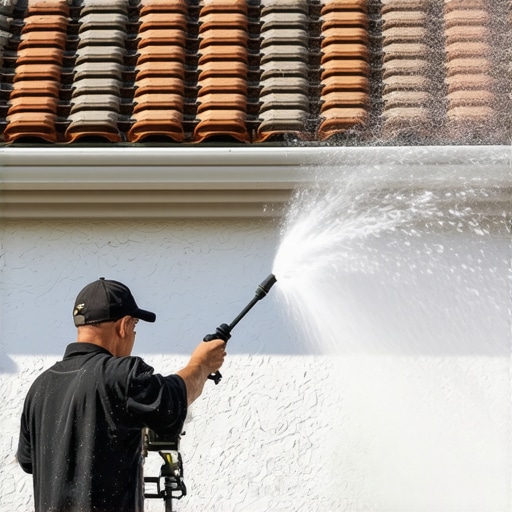
It was a sticky summer afternoon when I stepped outside to my home’s exterior and froze in disbelief. The stucco was caked in thick, stubborn mud, transforming my once-pristine facade into a muddy mess. No matter how many times I scrubbed or rinsed, the grime refused to budge. That’s when the lightbulb went off—this was the moment I needed smarter, more effective power washing tricks. Have you ever felt that frustration when your power washer seems to make things worse or just doesn’t cut through that stubborn mud? Trust me, I’ve been there.
Why Mud and Stucco Are a Tough Duo to Clean
Stucco is a popular exterior finish because of its durability and aesthetic appeal. But when mud gets embedded into its textured surface, it creates a real challenge. The porous nature of stucco traps dirt and mud in tiny crevices, and if you don’t approach it correctly, you risk damaging the surface or leaving residue. Early on, I made the mistake of using too high a pressure setting, which led to etching the stucco and making my problem worse, not better. Learning how to approach this task with the right techniques ensures you preserve your home’s charm while effectively removing grime. For more expert insights, you can check out trusted [residential power washing tips](https://powerwashexpertz.com/reliable-residential-power-washing-tips-for-lasting-exterior-shine).
Is Power Washing Mud-Stained Stucco Actually Worth the Hype?
Many folks wonder if all the fuss about power washing is justified—especially when it comes to delicate surfaces like stucco. After my early mishaps, I discovered that with proper techniques, power washing is not only effective but safe, provided you’re cautious and methodical. This process can greatly boost your home’s curb appeal and prevent long-term damage from dirt and grime buildup. Remember, a little knowledge goes a long way. If you’re unsure about setting up your equipment or the right pressure levels, I recommend looking into expert [power washing techniques for trustworthy results](https://powerwashexpertz.com/power-washing-for-trustworthy-results-expert-tips-for-your-home-exterior). Now, let’s get into the tricks that transformed my muddy disaster into a sparkling exterior.
Prepare Your Equipment and Environment
Start by inspecting your power washer to ensure it’s in good condition. Choose a model with adjustable pressure settings; a lower psi around 1500-2000 is often ideal for stucco. Close windows and cover nearby plants or delicate landscaping with plastic sheeting to prevent overspray damage. Gather necessary accessories like a wide-angle nozzle and a soap nozzle for cleaning solutions. I once set out to clean my stucco wall without proper preparation, only to realize too late that I was spraying moss spores onto my garden bed—lesson learned!
Select the Right Cleaning Solution
Mix a gentle, stucco-safe cleaning solution with water and a mild detergent or specialized exterior cleaner. Avoid acidic or bleach-based solutions, which can damage the surface. Use a soft-bristle brush to apply the solution into the textured surface, allowing it to loosen dirt and mud. I applied this mixture carefully with a pump sprayer, focusing on heavily stained sections, which made subsequent rinsing much easier. For spot treatments of persistent mud, consider using a biodegradable stain remover following manufacturer instructions for best results, as recommended in reliable residential power washing tips.
Master the Pressure and Nozzle Settings
Think of pressure washing like watering a delicate plant: too much force, and you risk damage; too little, and you won’t clean effectively. Start with a wide-angle nozzle (25 or 40 degrees) set to the lowest pressure. Hold the wand at a 45-degree angle, maintaining about 3 feet distance from the surface; moving closer increases risk of etching or spalling. In my first attempt, I leaned too close, resulting in visible streaks on the stucco, which I corrected by adjusting my distance and pressure. Remember, a trustworthy approach is to keep the spray moving smoothly across the surface without lingering too long on one spot, akin to sweeping a broom evenly across the floor, as explained in trusted power washing techniques.
Systematically Cover Every Section
Work in overlapping streaks, starting from the top and moving downward to avoid streaks or missed spots. Use smooth, consistent motions—imagine painting a wall—so you don’t gouge or unevenly spray. For stubborn mud patches, hold the nozzle a bit closer, but don’t let the spray linger to prevent surface damage. When I cleaned my house, I found that taking my time and working systematically prevented overspray and left a uniform, clean finish. Consider taking advantage of expert techniques to optimize your workflow and results.
Rinse and Inspect for Residue
After covering the entire façade, switch to the rinsing nozzle with a wider spray pattern and higher water flow. Rinse from top to bottom, ensuring all loosened mud and cleaning solution are washed away. Keep the nozzle at a steady distance and avoid concentrating spray on one spot for too long. I made the mistake of rushing my rinse, leaving muddy spots, which I re-did carefully for a spotless shine. For best long-term results, consider applying a protective sealant afterward, which can extend the cleanliness and durability of your stucco, as suggested here: trusted results for lasting shine.
Many homeowners believe that cranking up the pressure on their power washer will effortlessly eradicate grime and mud from their exteriors. However, this common misconception can lead to significant surface damage, especially on delicate materials like stucco. Contrary to popular belief, more pressure doesn’t always mean better cleaning — in fact, it often results in etched surfaces, compromised siding, or even costly repairs. Experts warn that understanding the nuances of pressure settings and nozzle types is crucial for achieving reliable, long-lasting results. A study published in the Journal of Building Engineering emphasizes that incorrect pressure application is among the leading causes of exterior surface deterioration, highlighting the importance of specialized techniques. To truly master power washing without harming your home, delve into trusted guides and learn how to fine-tune your equipment for optimal safety and efficacy.
Why Do Many Get the Technique Wrong?
One common trap is the oversimplification of power washing as a one-size-fits-all solution. Homeowners often default to the highest pressure setting, believing it speeds up cleaning, unaware that different surfaces demand tailored approaches. For instance, softer siding or textured stucco can easily be damaged by aggressive jets, leading to longer-term issues like peeling paint or surface spalling. The key is moderation: adjusting pressure to match material sensitivity while focusing on proper nozzle angles and distances. By mastering these advanced techniques, you’ll realize that your power washer becomes an extension of your craftsmanship, not just a machine.
Another frequent mistake involves neglecting the importance of pre-treating surfaces with appropriate cleaning solutions. Skipping this step may force you to rely solely on brute force, which is ineffective and risky. Properly applied, cleaning solutions loosen embedded dirt and mud, reducing the need for excessive pressure. Expert advice recommends using biodegradable, surface-safe solutions and applying them generously before rinsing. This approach not only protects your home but also enhances the longevity of your cleaning results. For step-by-step instructions on selecting the right products and techniques, my comprehensive ultimate guide to residential power washing can help.
Making Sense of Nozzle Choices for Fine-Tuned Control
One advanced aspect often overlooked is the significance of choosing the correct nozzle. Nozzles with different angles (25°, 40°, or specialty tips) dramatically affect the spray pattern and force delivery. Selecting the wrong nozzle can either underwhelm your cleaning effort or cause surface damage. For example, a narrow, 15° nozzle provides intense focused pressure, suitable for stubborn stains but risky for soft surfaces. Conversely, a wide 40° nozzle offers gentler coverage perfect for delicate siding or stucco. The trick is to be deliberate: switch nozzles based on the cleaned area and test on a small hidden patch first. This nuanced understanding ensures you achieve effective cleaning without risking expensive repairs. As experts recommend, proper nozzle selection and technique are vital components for trustworthy results—so don’t overlook them.
Have you ever fallen into this trap? Let me know in the comments. Remember, mastering the nuances of power washing is about attention to detail and respecting your surfaces. For more insights on achieving trustworthy, lasting results, explore my detailed power washing techniques guide today.Maintaining your power washing equipment is crucial to ensuring long-term reliability and optimal results. Personally, I recommend investing in a high-quality, adjustable-pressure compressor to prevent damage to delicate surfaces and to fine-tune pressure based on the cleaning task. Regularly checking and replacing worn nozzle tips, especially the 25° and 40° variants, keeps spray patterns consistent and effective, which is vital for safe, thorough cleaning. Having a sturdy, portable surface cleaner attachment has transformed my approach to larger projects like driveways and decks, significantly reducing cleaning time and water usage. To streamline maintenance, I rely on a detailed schedule that includes flushing the system after each use, inspecting hoses for leaks, and applying anti-corrosion treatments periodically. A good rule of thumb is to perform a comprehensive system check before each project, ensuring no component is compromised. With technology advancing, I foresee smart pressure washers equipped with sensors that automatically adjust pressure and monitor wear, further simplifying maintenance and extending equipment life. How do I maintain power washing tools over time? Consistent cleaning, prompt repairs, and using the right accessories are key. For instance, I personally use a specialized nozzle cleaning kit to prevent clogging and ensure spray consistency—this simple tool has saved me countless headaches and preserved my equipment’s performance. When you incorporate these maintenance habits, your toolkit stays reliable, and your results stay impressive. Want to learn more about your equipment’s long-term upkeep? Dive into comprehensive guides like the ultimate guide for reliable, lasting results and start applying these expert tips today.
Lessons I Wish I Knew Before Getting My Hands Wet
- Patience is key. Rushing through power washing can lead to damage or missed spots, so take your time to plan and execute each step carefully.
- Every surface has its quirks. Recognizing the delicate nature of stucco and adjusting pressure accordingly will save you from costly repairs and headaches.
- Pre-treatment is a game-changer. Loosening stubborn mud with gentle solutions makes the actual cleaning much more effective and safe for your home’s exterior.
- Nozzles are more than just attachments — they are your control tools. Using the appropriate spray angle ensures thorough cleaning without surface harm.
Tools for the Job That Truly Make a Difference
- The trusted [ultimate guide to residential power washing](https://powerwashexpertz.com/trusted-residential-power-washing-the-ultimate-guide-for-long-lasting-results) has transformed my approach, offering step-by-step protocols to ensure lasting shine and trust in results.
- Investing in a [high-quality, adjustable-pressure power washer](https://powerwashexpertz.com/7-portable-powerwasher-models-that-wont-kill-your-lawn-in-2026) has not only improved cleaning efficiency but also ensured safety for my home’s surfaces.
- A sturdy [surface cleaner attachment](https://powerwashexpertz.com/7-portable-powerwasher-models-that-wont-kill-your-lawn-in-2026) reduces time and water usage, making large projects less daunting.
- Regular maintenance tools like nozzle cleaning kits and protective sealants extend the lifespan of my equipment and enhance results. Trust me, these small investments pay off over time.
Keep Your Power Washing Journey Inspiring and Effective
Embarking on your power washing venture is more than just cleaning; it’s about taking pride in your home and maintaining its charm. Remember, mastering these secrets of effective power washing will set you apart from common pitfalls and lead to stunning, durable results. Don’t hesitate to start — your home deserves the best care, and your own confidence will flourish with each successful project. Want to share your experiences or ask questions? Drop a comment below, and let’s learn together how to make every power wash session a triumph.
I really appreciate how detailed this guide is—power washing stucco can definitely be tricky, especially with stubborn mud caked into the texture. I remember trying to tackle a similar issue last summer and ended up with etching marks due to too high pressure. What I found helpful was actually pre-treating the mud with a gentle biodegradable cleaner before rinsing. It loosens the grime without risking damage. It’s interesting how the choice of nozzle and pressure settings can make or break the entire process, especially on textured surfaces like stucco. Has anyone tried using soft-bristle brushes along with power washing for extra stubborn mud? I’d love to hear if that added any benefit or if it’s better to stick solely with the power washer. Overall, patience and proper technique are so crucial — rushing often leads to damage instead of a clean finish.