![5 Pro Power Washing Nozzles for Fast Deck Restoration [2026]](https://powerwashexpertz.com/wp-content/uploads/2026/02/5-Pro-Power-Washing-Nozzles-for-Fast-Deck-Restoration-2026.jpeg)
Ever had that heart-dropping moment when you step out to your deck, only to realize it looks worse than when you started cleaning? The stubborn dirt, grime, and algae seem almost impossible to get rid of, especially when your old power washer struggles to deliver the results you want. I remember the frustration of wielding my trusty hose, endlessly switching nozzles, and still not quite achieving that fresh, revitalized look I was aiming for.
How I Finally Cracked the Code for Fast Deck Restoration
That lightbulb moment came when I discovered the power of using the right power washing nozzles. Not all are created equal, and choosing the right ones can make or break your deck cleaning experience. It’s astonishing how much difference a well-selected nozzle can make—cutting cleaning time in half and delivering professional-looking results right from your backyard.
Question: Have you ever wasted hours on your deck only to feel unsure if you’ve done it right?
Early on, I made the mistake of sticking with a generic nozzle, assuming more pressure meant better cleaning. Turns out, I was just damaging my deck and wasting water. That experience taught me a valuable lesson: precision matters. Since then, I’ve tried and tested several nozzles, learning how each affects the cleaning process, safety, and overall results. Want to avoid the same pitfalls? Let’s dive into how selecting the right power washing nozzles can revolutionize your deck restoration routine.
According to recent studies, using the optimal pressure and nozzle type not only speeds up the cleaning but also extends the lifespan of your siding and wood. For example, experts warn that incorrect pressure settings can cause irreversible damage—something I learned firsthand after a costly deck repair. Ready to get the best results with less hassle? Keep reading to find out the top nozzles I swear by for quick, safe, and effective deck cleaning in 2026.
Choose the Right Nozzle for Precision Cleaning
Start by selecting the appropriate power washing nozzle. A 25 or 40-degree nozzle is your best bet for decks, providing enough pressure to lift dirt without damaging wood fibers. I once grabbed a high-pressure turbo nozzle, thinking more power meant faster results—only to see my deck’s surface start to splinter after just a few minutes. That experience taught me the importance of matching nozzle spray angles to the task.
Set Up Your Power Washer Properly
Next, ensure your machine is correctly configured. Attach the chosen nozzle securely and set your pressure to around 1500-2000 PSI for delicate deck wood. Think of this step as tuning a musical instrument—proper settings ensure harmonious cleaning without chords of damage. I remember cranking my pressure up to maximum, only to notice my wood fibers fraying after a few passes. Adjusting pressure based on your surface is crucial for safety and efficacy.
Approach with Consistency and Technique
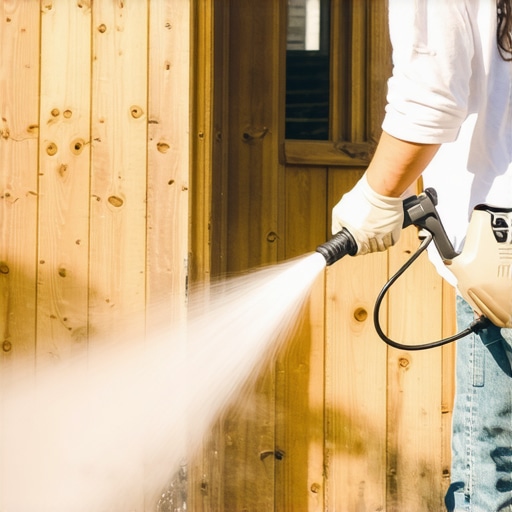
Hold the wand at a consistent 12-18 inches from the surface, maintaining a steady, overlapping spray pattern—think of painting a wall with a roller. Move in smooth, controlled passes, avoiding lingering in one spot. My first attempt involved zig-zag motions that missed spots and splattered dirt onto clean areas. A deliberate, steady approach ensures even coverage and prevents damage. Remember, a quick pass might miss grime, while lingering can erode wood; find the perfect balance.
Manage Surface Angles to Prevent Damage
Use the wand at a 30-degree angle—like a gentle rain falling onto the deck—to avoid gouging or splintering. Never shot straight-on or perpendicular, as this concentrates pressure on one tiny area, increasing risk. I learned this the hard way when a direct shot caused a small gouge in my wood. Employing a slight angle helps lift dirt while preserving integrity. Consider staging your angle adjustments in your technique toolbox for neat, controlled cleaning.
Pay Attention to Water Flow and Spot Checks
Maintain a consistent water flow, checking for clogs or leaks beforehand. Regularly inspect a small section of the deck as you work—think of it as a progress check to catch issues early. During my initial session, I noticed streaks forming on certain boards; a quick stop revealed sediment buildup in the nozzle. Clearing the nozzle and adjusting the spray angle immediately prevented further damage and ensured uniform results. This vigilance saves time and avoids costly repairs.
Follow Up with a Gentle Rinse and Seal
After removing grime, give your deck a final rinse with lower pressure—around 1000 PSI—to remove any residual dirt. The goal is to leave a clean surface ready for sealing or staining. I once skipped this step, and leftover debris caused my stain to bubble and peel within days. Once clean, consider applying a protective sealant to extend your deck’s life. Proper post-wash care preserves your work, keeping your outdoor space stunning for years to come.
 Many homeowners believe that more pressure always equals better cleaning results, but in my experience, this is a dangerous misconception that can lead to costly repairs and subpar outcomes. Overly aggressive power washing can strip away paint, gouge wood, or damage delicate siding, especially if you’re unaware of the nuanced differences in pressure settings and nozzle types. Instead, understanding the proper techniques and equipment adjustments—not just cranking up the pressure—is essential to achieving a pristine yet safe clean. For example, recent industry insights highlight that using a high-pressure setting on vinyl siding can cause leaks or warping over time, contravening the popular belief that higher PSI ensures a faster clean. You might also fall for the myth that all surfaces should be cleaned identically; however, different materials respond distinctively to the same pressure and nozzle configurations. Mastering these nuances requires experience and knowledge that go beyond basic tutorials—this is where expert advice becomes invaluable. To avoid common pitfalls, I recommend consulting trustworthy sources like [power washing results experts](https://powerwashexpertz.com/power-washing-results-trusted-techniques-for-your-home-exterior) who delineate safe pressure ranges and nozzle choices tailored for specific surfaces. Have you ever fallen into this trap? Let me know in the comments. Remember, a cautious approach that respects material sensitivities not only prolongs your home’s lifespan but also saves you money in the long run.
Investing in Reliable Equipment for Long-Term Results
When it comes to power washing your home efficiently, quality tools make all the difference. Personally, I swear by high-quality, adjustable pressure washers like the models reviewed in 4 quiet power washer models. Their durable construction and variable settings allow me to tailor pressure exactly to the surface I’m working on, ensuring safety and effectiveness.
Maintaining Your Power Washer Effectively
Regular maintenance is essential to keep your equipment running smoothly. I recommend rinsing out the nozzle after each use to prevent sediment buildup and inspecting hoses and connections for leaks or cracks. Applying a light layer of lubricant on the pump seals every six months extends its lifespan. For me, following a scheduled maintenance routine has reduced unexpected breakdowns and saved money in the long run.
Tools I Recommend for Peak Performance
Besides the power washer itself, investing in accessories like extended spray wands and quick-connect nozzles accelerates the cleaning process. By choosing models with hidden features like quick-connect fittings, I save valuable time swapping nozzles. Additionally, purchasing a water filter helps prevent debris from clogging the nozzles, which is critical for maintaining consistent pressure and spray quality.
The Future of Power Washing Tools and Techniques
Technologies are rapidly advancing, with electric models gaining popularity for their low noise and eco-friendly operation. I predict that smart sensors capable of adjusting pressure automatically based on surface feedback will become standard, further reducing the risk of damage while optimizing cleaning efficiency. Staying updated with these innovations ensures you’re getting the most reliable results possible. For trusted advice, I often consult sources like trusted power wash tips.
How do I maintain my power washing tools over time?
Regular inspection and cleaning are key. Rinse out nozzles thoroughly after each use and store your equipment in a dry, protected area to prevent rust. Lubricating moving parts and checking hoses for wear will prolong your tool’s life. Remember, a little consistent care now saves a lot of hassle later. Implementing these practices has kept my power washer performing flawlessly year after year.
To get the most out of your equipment, consider upgrading your nozzles periodically, especially if you’re tackling different surfaces or stubborn grime. Exploring options like specialized nozzles can enhance your results significantly. Don’t hesitate to try out one or two of these tips and see how they can elevate your cleaning routine — trust me, it’s worth the investment!

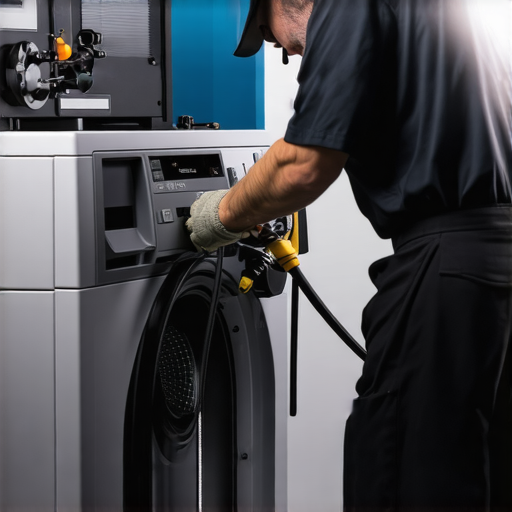
Prompt: Close-up of a person performing maintenance on a power washer, inspecting hoses and nozzle, workshop background, detailed focus on tools.
The Hardest Lesson I Learned About powerwasher,powerwashing,power washing,power wash home
- Patience is key—rushing the process often leads to damage or uneven results. I once tried to speed things up and ended up splintering parts of my deck, which set me back weeks. Slowing down and focusing on technique pays off in durability and appearance.
- Not all nozzles are created equal—selecting the right spray angle can drastically reduce cleaning time and minimize harm. My mistake of defaulting to high-pressure nozzles taught me that precise choices matter for material longevity.
- Monitoring your PSI and water flow is crucial—overpressure can cause costly repairs, while too little may not clean effectively. Employing consistent checks during the job has been my best safeguard against mishaps.
- Understanding surface sensitivity requires more than just reading manuals. Listening to your instincts and adjusting accordingly can prevent damage. Experience has shown me that a cautious approach yields the best long-term results.
- Using trustworthy sources accelerates learning—resources like trusted power wash tips have helped me avoid common pitfalls and optimize my technique.
Tools That Changed My Power Washing Game
- Investing in quality, adjustable pressure washers, such as the quiet power washer models, has been a game-changer. Their durability and versatility mean I can adapt to different surfaces without worry.
- Extra accessories like quick-connect nozzles and extended spray wands save time and make tackling larger areas more efficient. Quality tools ensure consistent, professional results every time.
- Regular maintenance routines—clearing nozzles, inspecting hoses, and lubricating seals—have extended my equipment’s lifespan and saved me money. A little effort goes a long way in preserving performance.
- Staying updated on emerging technology, such as innovative power washing techniques, keeps my results top-notch and my workflow smooth.
Keep Your Power Washer in Prime Condition and Your Results Bright
- Consistent care—rinsing nozzles, storing equipment properly, and routine inspections—helps maintain peak performance. I’ve learned that neglect leads to unexpected failures and costly downtimes.
- Periodically upgrading nozzles and exploring specialized attachments can handle tougher grime and delicate surfaces alike. Experimentation has improved my efficiency and outcomes.
- Embracing new trends like eco-friendly and smart sensors ensures I stay ahead in the power washing field. Innovation is making our work safer and more effective.
Joining the Ranks of Confident Cleaners
Power washing a home doesn’t have to be daunting. With the right knowledge, tools, and a cautious approach, you can achieve professional-looking results that boost your curb appeal and protect your investment. Remember, mastery comes with practice—and a willingness to learn from each session. Don’t hesitate to try new techniques and tools; your brighter, cleaner home awaits. Want to share your own power washing successes or questions? Let’s chat below and help each other grow smarter in this rewarding craft!