
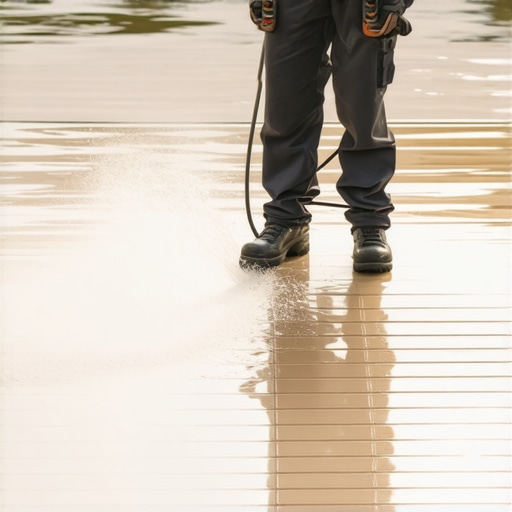
I vividly remember the moment I nearly ruined my brand-new composite deck. I was eager to give it that pristine, freshly-washed look and fired up my power washer without a second thought. Instead of gleaming boards, I ended up with streaks, scratches, and a sinking feeling that I had you might know all too well. That close call was a lightbulb moment for me—power washing isn’t always as straightforward as it looks. If you’re like me, you’ve probably faced the frustration of spots that just won’t come off or, even worse, accidental damage that leaves you questioning your methods.
Why Mastering Power Washing Properly Matters Now More Than Ever
The truth is, the technology behind power washers keeps evolving rapidly, especially with new models appearing every year. Yet, even with the latest gear, many DIYers and professionals alike still struggle with scuffing and harming their decks, siding, or walkways. In 2026, this is more critical than ever because composite decks have become the standard for outdoor living spaces—they’re durable, low-maintenance, and visually appealing. But their very resilience makes us complacent, leading us to push too hard or use the wrong settings.
Research shows that improper power washing techniques can significantly shorten the lifespan of your decking materials. For example, using excessive pressure on composite surfaces causes micro-scratches that gather dirt and grime faster, dulling the finish over time. I’ve learned through personal trial—and a few costly mistakes—that knowing the right rules can prevent future headaches and keep your outdoor space looking its best for years to come. If you’ve ever wondered whether your current approach is safe, you’re not alone. Many homeowners are surprised to find that some of their trusted techniques might be doing more harm than good.
Today, I’ll share four essential powerwashing rules that I’ve discovered—not just to protect your decks, but to achieve professional results without risking damage. Think of these as your blueprint to trustworthy, long-lasting cleaning in 2026. Ready to ditch the guesswork and elevate your power washing routine? Let’s dive into the first rule that changed everything for me.
Will Using Higher Pressure Make Your Deck Cleaner Faster? Think Again
Early on, I made the mistake of cranking up the pressure to speed things along, thinking it would do the job faster. It was a costly mistake—those high PSI settings gouged the surface, leaving behind imperfections that were tough to fix. The truth is, higher pressure isn’t always better; it can cause damage, especially to delicate composite surfaces. Instead, mastering the right PSI and nozzle combination is key, which you can learn more about in this guide on low PSI hacks. My best results came when I adopted a gentle yet thorough approach—much more effective and safer for my deck’s longevity.
Prepare Your Equipment with Precision
Start by inspecting your power washer thoroughly—check hoses, nozzles, and the power source. Attach a nozzle with a 25-degree spray pattern, ideal for decks, as it balances cleaning strength and safety. Before tackling your deck, run water through the system to clear out debris. Remember, a well-maintained machine delivers consistent pressure and prevents potential malfunctions. The last thing you want is an uneven spray or a pulsing engine—check out this troubleshooting guide if needed.
Set Up Your Workspace for Safety and Efficiency
Clear the area of furniture, plan your cleaning path, and wear safety gear—goggles, gloves, and sturdy shoes. Position your extension wand so it feels natural, avoiding awkward angles that increase strain. Think of your setup as laying out a precise dance choreography—every step should be deliberate and controlled. I learned this the hard way one weekend when I tripped over a garden hose, causing a spillage that took hours to clean. Proper planning keeps accidents at bay and ensures a smooth workflow. Use trusted techniques to streamline your process.
Apply Water and Detergent Correctly
Begin with a low-pressure rinse parallel to the deck surface, removing loose dirt—think of this as a gentle sweep before vacuuming. For stubborn stains or mold, apply a biodegradable detergent using a foam cannon or spray bottle, working from bottom to top to avoid streaks. Let it sit for 5-10 minutes, but don’t let it dry—reapplying water prevents residues and prepares the surface for cleaning. During my last project, I used this method to remove algae buildup without damaging my composite decking, saving me from costly repairs. Need more tips? Check out the best practices.
Master the Spray Technique for Optimal Results
Hold the wand at a 45-degree angle, maintaining a steady, perpendicular stance to the surface. Use sweeping motions, overlapping each pass by about 50%, similar to mowing a lawn—this ensures uniform cleanliness. Keep the nozzle about 12-18 inches from the surface; closer can cause micro-scratches, especially on composite decks. I made this mistake early on, and my deck ended up looking dull. After adjusting to this distance, I got professional-grade results without damaging the finish. If your pressure fluctuates, explore nozzle upgrades that give more control.
Stay Consistent and Tackle Difficult Spots Methodically
Divide your deck into sections, cleaning one at a time. For corners and edges, switch to a narrower spray tip to access tight spaces. Strive for even coverage, avoiding excessive pressure on seams and joints—these spots are more vulnerable. When I cleaned my patio, I prioritized corners to prevent streaks, which kept the surface looking even and fresh. This methodical approach produces professional results, as seen in this comprehensive guide.
Rinse Thoroughly to Finish Strong
After cleaning, go over the surface once more with a low-pressure rinse to remove any remaining detergent or loosened dirt—think of it as the final polish. Use wide, sweeping motions and maintain a consistent distance to prevent streaks. This step seals the work, revealing a clean, vibrant deck and ensuring no residues are left behind. I learned that skipping this final rinse left stubborn spots, undermining my effort. A clean finish is the mark of a true professional approach, supported by trusted techniques for lasting trust.
Many enthusiasts assume that cranking up the pressure on their power washer guarantees a faster, cleaner result. However, this common misconception can lead to micro-scratches and long-term damage, especially on delicate surfaces like composite decking. The real skill lies in selecting the right pressure settings and nozzle types—details often overlooked by DIYers eager for quick results. According to research from the Power Washing Institute, mastering nozzle selection is twice as crucial as merely increasing PSI. Overexerting force not only damages surfaces but also shortens equipment lifespan, leading to costly repairs.
Are You Sabotaging Your Power Washing Success Without Realizing?
One prevalent mistake is neglecting proper technique during the process—such as holding the wand at the wrong angle or moving too quickly. These errors can cause uneven cleaning and residual streaks, diminishing the overall aesthetic. Additionally, many overlook the importance of preparing the surface adequately with biodegradable detergents before rinsing, which enhances cleaning efficiency without aggressive scrubbing. To avoid these pitfalls, consult trusted guides like this comprehensive residential power washing manual. Remember, a nuanced approach combining proper equipment settings, technique, and surface preparation ensures professional-grade results and preserves your investment in your home’s exterior. Have you ever fallen into this trap? Let me know in the comments.
Investing in Reliable Equipment for Long-Term Power Washing Success
Choosing high-quality, durable tools is essential for maintaining consistent results and extending the lifespan of your power washer. I personally rely on commercial-grade pressure washer models from brands like Simpson or Sun Joe, which offer robust construction and reliable performance. These models often incorporate features such as brass fittings and foam cannons, which I find invaluable for thorough cleaning and protecting sensitive surfaces. When selecting nozzles, I opt for adjustable fan tips that allow me to switch between different spray patterns, ensuring I use the optimal setting for each surface. For example, using a 25-degree nozzle on decks and a pinpoint 0-degree for stubborn stains gives me precision without risking damage. Remember, investing in quality tools now saves you headaches and money in the future, especially when tackling larger projects.
The Importance of Routine Maintenance to Ensure Longevity
Regularly inspecting and maintaining your power washing equipment is vital. I schedule a full check-up at the start of each cleaning season, which involves cleaning filters, inspecting hoses for cracks or leaks, and lubricating moving parts. Additionally, flushing out residual detergent and draining water after each use prevents internal corrosion—this is crucial for keeping your pump functioning smoothly over time. According to experts, neglecting these steps can lead to pulsing engines, decreased pressure, or even pump failure. For instance, if you notice your engine pulsing or inconsistent spray, I recommend reviewing this guide to troubleshoot and fix common issues promptly. Incorporating these maintenance routines extends your equipment’s life and keeps it performing at professional levels.
Future Trends: Smart Technology and Automation in Power Washing
Looking ahead, I believe the integration of smart sensors and automation will revolutionize how we maintain and operate power washers. Imagine devices that monitor pressure, water flow, and equipment health in real-time, alerting you to potential issues before they cause breakdowns. These innovations could simplify maintenance routines and improve safety, especially for DIY enthusiasts. As upcoming models incorporate Wi-Fi connectivity and AI diagnostics, staying updated on the latest innovations will be key. Devices like app-connected pressure washers already offer remote control and troubleshooting, making routine maintenance and operation more accessible. Embracing these technological trends not only saves time but also ensures your equipment remains reliable for years to come.
How do I Maintain My Power Washer Over Time to Avoid Costly Repairs?
To keep your power washer running smoothly, establishing a routine maintenance schedule is essential. Regularly check and replace damaged hoses, clean filters, and apply appropriate lubrication to moving parts. Be vigilant about draining water and residual detergent after each use to prevent internal corrosion, which can cause pump failure. If you experience issues like pulsing engines or inconsistent pressure, consult trusted guides such as this troubleshooting resource. Investing in high-quality tools and performing maintenance consistently will make your power washing experience safer, more effective, and longer-lasting. Consider upgrading your nozzles to more advanced models like the 7-pro options to optimize your workflow and results, as discussed in this article. Try adopting these proactive strategies today to avoid unexpected breakdowns and preserve the investment in your outdoor ideas.
Over the years, I’ve discovered that mastering power washing isn’t just about equipment or technique—it’s a journey of continuous learning and adaptation. One of the most eye-opening lessons I learned was how easy it is to take shortcuts that seem efficient but actually compromise the longevity of your surfaces. For example, I once used high PSI settings on my deck, thinking I was making quick work of the grime, only to end up with micro-scratches that marred its appearance for months. The real benefit comes from paying attention to detail and understanding that slow, deliberate action often yields the best results. Additionally, I realized that staying updated with the latest technological advancements—like smart nozzles or pressure sensors—can make routine tasks smoother and safer. Embracing a mindset of continual improvement transformed my approach from amateur to professional, and I encourage you to see power washing as an evolving craft rather than a one-and-done chore.
This article really hits home for me because I had a similar experience when I first started power washing my deck. I was so eager to get rid of grime that I used too high pressure without considering the damage I could cause. Since then, I’ve learned that a gentle approach with proper nozzle selection makes all the difference. The tip about maintaining the right distance and overlapping sweeps really improved my results. I also use a low PSI setting and a wide nozzle for decks now, which keeps the surface safe and clean at the same time. One thing I’ve struggled with is spotting the signs of equipment wear; my pressure sometimes fluctuates which affects the finish. Does anyone have tips on how to keep your power washer in top shape over time? I’d love to hear your maintenance routines or product recommendations to prolong the life of these tools.