
![4 Tactics to Power Wash Home Stucco Without Water Damage [2026]](https://powerwashexpertz.com/wp-content/uploads/2026/02/4-Tactics-to-Power-Wash-Home-Stucco-Without-Water-Damage-2026.jpeg)
Have you ever stood back after a power washing session and realized your stucco looked worse than before? That awkward, streaked, possibly even chipped surface is a common nightmare for homeowners trying to restore their home’s curb appeal. I remember the moment I discovered my DIY power washing efforts had inadvertently caused more harm than good — water infiltration, cracking, and an unsightly finish I couldn’t fix without costly repairs. It was a real lightbulb moment, one that made me realize I was rushing into cleaning without understanding the nuances of working with stucco.
Why Power Washing Stucco Might Not Be as Easy as It Looks
Are You Worrying About Water Damage While Power Washing?
Like many homeowners, I initially thought a quick blast from my power washer would bring my exterior back to life. Turns out, that approach can be risky — especially with stucco. When water is forced into the porous surface, it can seep behind the exterior, leading to mold, rot, and even structural issues if not done correctly. According to the Power Washing Expertz, improper techniques can cause long-term damage that outweighs the benefits of a clean look.
My early mistake was using high pressure directly on the stucco, thinking more force was better. But that only worsened the situation, stripping away paint and compromising the surface. The key to safe and effective stucco cleaning is understanding the right tactics — and that’s exactly what we’ll cover next.
If you’ve faced similar concerns about water damage or just want a proven approach to restore your stucco without risking costly repairs, stay tuned. These four tactics will help you achieve a pristine, lasting finish while keeping your home’s foundation safe from water-related issues. Ready to learn how?
Choose the Right Equipment and Settings
Start with a quality, quiet powerwasher that won’t disturb neighbors — check out models discussed in this guide. Opt for a machine with adjustable pressure, ideally between 1500 to 2000 PSI, suitable for delicate stucco surfaces. Remember, higher PSI isn’t always better; it can damage your surface just like using a hammer to crack a nut — overkill and risky. I once experimented with a high-pressure setting on my first try, causing chips, and learned quickly that moderation is key.
Prep the Surface to Prevent Damage
Before spraying, clear the area of plants, furniture, and electrical outlets to safeguard them from overspray. Cover nearby landscaping with plastic sheeting. I once skipped this step, and water seeped into a flower bed, leading to muddy mess and delayed project. Applying a waterproof sealant designed for stucco can also help protect the surface and improve cleaning results.
Master the Technique and Movement
Use a 25-40 degree nozzle for broader, gentler spray — avoid pinpoint nozzles that concentrate jet power and risk damage. Hold the wand at a 45-degree angle, about 12 inches from the surface, and keep moving in slow, steady strokes. Think of it as painting with a wide brush — consistent, even pressure creates a uniform finish. My success came when I paused to watch tutorials on trusted power washing techniques. Moving too fast or holding the wand too close can cause gouges or water infiltration, especially under windows or vents.
Work from Bottom to Top for a Clean Finish
Start at the bottom of the wall and work your way up. This prevents streaks caused by dirty water running down. It also ensures that any loosened dirt is rinsed away effectively. I remember squirting too much pressure at a stubborn stain and seeing the surface chip; gradually increasing pressure after initial gentle rinses proved more effective, as recommended in trusted results techniques.
Rinse Thoroughly and Check for Missed Spots
After spraying, go back over the surface with a low-pressure rinse to remove any remaining debris or soap residue. This final step ensures your stucco’s porous surface isn’t left with sticky dirt, which can cause premature aging. I once missed this step and noticed streaks and a dull finish days later. Regular inspections during and after the wash help catch missed areas early, saving you from having to re-clean parts later.
Maintain and Protect Your Surfaces Post-Wash
Once dry, consider applying a breathable stucco sealer for longevity and added protection against the elements. Sealing not only enhances color and appearance but also reduces dirt and stain buildup. Proper maintenance following these steps prolongs your cleaning results and keeps your home looking fresh longer.
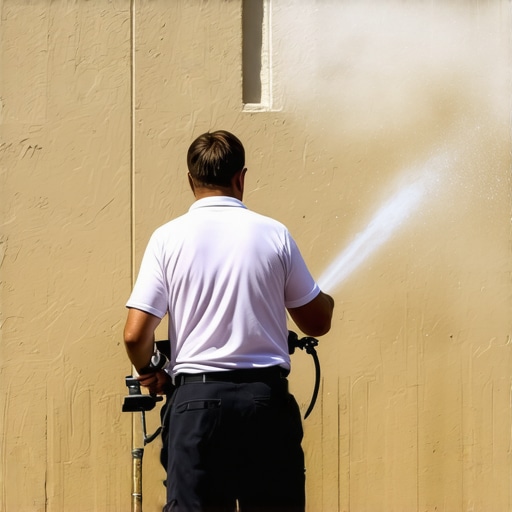
Many homeowners believe that standing close with high pressure is the best way to achieve a spotless exterior. However, this common misconception can lead to severe damage, especially on delicate surfaces like stucco. In my experience, one of the most overlooked nuances in power washing is the importance of understanding the material-specific limitations and the technology behind your equipment. Skilled professionals don’t just blast away stains — they calibrate pressure levels, nozzle angles, and spray patterns based on surface composition. For instance, using a 0-degree nozzle at high PSI on siding can strip paint or gouge the material, but a wider-angle nozzle at lower PSI provides a safer, more uniform clean. According to power washing experts, insufficient knowledge about your equipment and the surface can cause long-term harm, often mistaken for a quick fix.
What Advanced Power Washing Techniques Will Save Your Surfaces from Damage?
Many assume that brute force is the solution, but proven research highlights precise control as the secret to success. Protecting your home from etching and water infiltration requires a nuanced approach involving correct nozzle selection, adjusted pressure, and thorough pre-inspection. External sources like this expert guide emphasize that understanding your equipment’s capabilities and surface vulnerabilities is vital. Failing to do so can result in what I call ‘the oops factor’—the unintended damage that turns a cleaning project into costly repairs. Always verify your machine’s settings and consult expert tips to avoid this trap. Have you ever fallen into this trap? Let me know in the comments.
Maintaining your power washer ensures consistent performance, prolonged lifespan, and optimal cleaning results. Investing in the right tools, along with regular upkeep, can make your power washing tasks more efficient and less stressful. One of my go-to essentials is a high-qualitypressure gauge attachment, which I use to monitor real-time PSI levels during operation, preventing over-pressurization that can damage delicate surfaces. Regularly inspecting hoses and replacing worn-out fittings with durable silicone connectors helps avoid unexpected leaks and pressure drops.
Another critical tool is adetergent injector and foam cannon, which I personally rely on to deliver cleaning solutions evenly across surfaces. This setup not only saves time but also ensures deep cleaning without the need for harsh scrubbing. When it comes to maintenance, I always keep astainless-steel brush set handy for manual scrubbing of stubborn stains or mold spots—especially on textured surfaces like stucco or brick. Using these brushes periodically prevents buildup and maintains surface integrity.
Long-term results depend heavily on proper storage practices. I suggest investing in awaterproof, insulated storage cabinet to keep your nozzles, spray tips, and other accessories protected from the elements, especially if you operate seasonally. Additionally, apower washer-specific oil kit is vital to lubricate moving parts after each use. Regular oiling prevents rust and ensures that the internal components stay responsive for years to come, as recommended by industry experts.
How do I maintain my power washing gear over time?
Routine checks are the backbone of equipment longevity. After each project, drain residual water from hoses and spray guns to prevent freezing or corrosion. Periodically disassemble and clean your spray tips with afine pin or specialized tip cleaner to prevent clogging. For more advanced maintenance, following manufacturer-specific guidelines—like those outlined in the expert tips—can help identify wear points before they become major issues. Staying current on recommended maintenance intervals is crucial; I schedule filter replacements every 150 hours of use, for instance, a routine I’ve found effective for preventing pressure inconsistencies. In the future, innovations like smart sensors and IoT-connected pressure gauges are likely to revolutionize how we monitor equipment health, making proactive maintenance even more seamless. For now, incorporating these practices will help you get the most reliable performance, saving money and time in the long run.
Ready to level up your maintenance? I recommend trying out a digitalpressure monitoring system—it’s an advanced tool that provides real-time insights and alerts you when PSI levels drift outside safe ranges. This small upgrade can significantly extend your power washer’s lifespan and improve your cleaning results. By integrating such technology, you’ll stay ahead of potential issues and keep your equipment running smoothly for years to come.
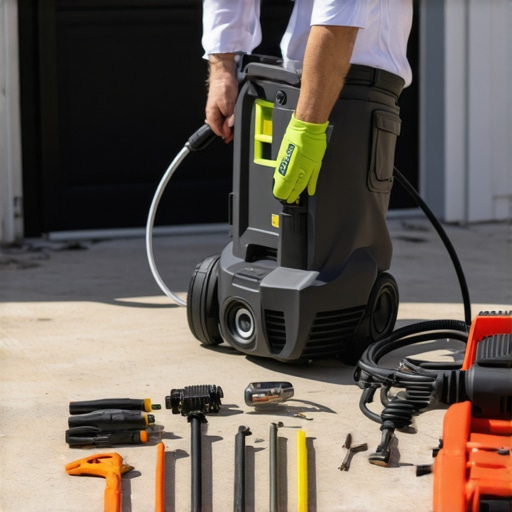
Proper maintenance and premium tools make all the difference in power washing success. By carefully selecting accessories like water filtration, monitoring devices, and cleaning solutions, you set yourself up for consistent, efficient results. Remember, a well-maintained power washer isn’t just about performance—it’s about investing in the longevity of your equipment and the safety of your surfaces. Don’t overlook these essential tools; your future self will thank you for the trouble-free projects ahead.
Over the years, I’ve discovered that the most effective power washing strategies involve more than just blasting away dirt — they require a nuanced understanding that sets professionals apart from DIY efforts. A pivotal lesson I learned was that rushing into a power washing project without proper knowledge can lead to irreversible damage, especially on delicate surfaces like stucco. Knowing the precise pressure settings and nozzle angles isn’t just technical jargon; it’s the difference between a restored home exterior and costly repairs. This realization propelled me to delve deeper into expert techniques, ultimately transforming my approach and results.
The Hardest Lessons I Learned About powerwashing,power wash home,powerwasher,power washing
- Don’t underestimate material sensitivity: I once used high PSI on stucco, thinking faster was better. The result? Chips and uneven patches. It taught me that consistency and low pressure are crucial for surface longevity.
- Pre-soak makes a difference: Applying a gentle pre-treatment reduced the need for aggressive scrubbing, protecting the integrity of the stucco while ensuring a thorough clean.
- Equipment calibration is a game-changer: Regularly checking and adjusting my power washer prevented unintentional damage, emphasizing the importance of maintenance and understanding your tools.
Gear Up with Trusted Resources for Power Washing Success
- Reliable power washers and nozzles: I favor models discussed in this guide, which balance power with control, minimizing surface risk.
- Expert blogs and tutorials: The insights in trusted technique articles have helped me tailor my approach, ensuring safe and lasting results.
- Maintenance tips: Following maintenance routines from industry leaders keeps my equipment performing optimally, preventing damage and extending lifespan.
Embrace the Power of Knowledge to Transform Your Home
Every power washing adventure is a chance to learn and improve. Remember, the key is not just about making your stucco look pristine but doing so safely and sustainably. Armed with the right tools, techniques, and resources, you can achieve professional-quality results that boost your home’s curb appeal and value. It’s inspiring to see how small adjustments and continuous learning make a huge difference—so don’t hesitate to try new methods and refine your skills.
What challenging surfaces have you tackled with power washing, and what lessons did you learn along the way? Share your experiences below and let’s grow together in this journey of home care mastery!
This article really resonates with me, especially the importance of using the correct nozzle and pressure settings. I once tried to power wash my stucco house without much prep and ended up with a chip that cost me quite a bit to repair. Since then, I’ve learned that patience and proper technique are key. One thing I found helpful was pre-soaking the area to loosen stubborn dirt, which reduced the need for harsh scrubbing and minimized risk of damage. I also agree with the tip of working from bottom to top—doing this helps prevent streaking and keeps the surface looking uniform.
For those tackling their first DIY power wash, what are some good indicators that your pressure might be too high or too low? I think beginners often underestimate the subtle signals their surface gives about the right pressure. Combining gradual pressure adjustments with thorough surface inspection can really make a difference. Has anyone tested different nozzle angles to see which provides the best balance of cleaning power and surface safety? Would love to hear more tips from others who’ve been there.
Reading through this post, I can’t stress enough how vital it is to tailor your power washing technique to the specific material of your home’s exterior. I’ve experienced firsthand the pitfalls of using too much pressure on stucco, which can easily lead to fractures or chips. One thing that really helped me was investing in a quality adjustable pressure washer—being able to dial down the PSI when working on delicate surfaces made a significant difference. Also, pre-soaking stucco walls with a gentle cleaning solution loosened dirt and made rinsing much more effective without needing aggressive spraying.
I’d love to hear more from others—do you have tips for recognizing early signs of water infiltration during or after washing? Sometimes, you don’t notice subtle leaks until much later, which can be costly to repair. How do you ensure your equipment stays calibrated and safe for delicate surfaces like stucco? Proper maintenance and awareness seem to be the key to avoiding long-term damage, especially for DIY enthusiasts.