It was a bright Saturday morning when I finally decided to tackle the stubborn streaks on my vinyl siding. Armed with my trusty power washer, I dove right in—only to hear that unsettling pop and see a ripple run across my siding. My heart sank. That was the moment I realized I had made a crucial mistake: I used too high a pressure and didn’t consider the delicate nature of vinyl. The entire surface looked warped and uneven—that’s a lesson I won’t forget.
If you’ve ever faced a similar frustration—spending hours scrubbing only to end up with warped, damaged siding—you know how disheartening it can be. Power washing is an effective way to restore your home’s curb appeal, but it comes with risks if not done properly. The good news? There are proven methods to clean your vinyl siding efficiently without risking warping or other damage, and I want to share them with you.
The Common Mistake That Turns Power Washing into a Problem
Is Power Washing Your Vinyl Siding Really Worth the Hype?
Early on, I believed that blasting away grime at the highest pressure was the way to get quick results. I thought, “More pressure equals cleaner siding.” Turns out, I was mistaken. Not only did I risk warping, but I also didn’t realize that using overly aggressive techniques can strip away protective coatings, leading to more issues down the line. It’s a mistake many newcomers make—believing that more pressure is better. In reality, it’s about precision, not power.
According to trusted experts, improper power washing can cause lasting damage to siding, which might require costly repairs or replacements. For reliable and safe results, it’s essential to understand the right techniques and equipment settings. That’s why I’ve researched and tested the best ways to power wash vinyl siding in 2026, so your home stays pristine without harm. If you want to delve into more detailed strategies, check out this comprehensive guide on power washing without peeling paint.
Ready to turn your frustration into confidence? Let’s explore the tested methods that will keep your siding looking brand new while avoiding the pitfalls that come with improper technique. It’s time to master the art of gentle, effective cleaning that respects your home’s materials and longevity.
Start with Preparation
Clear the Area and Protect Surroundings
Before you turn on your power washer, uproot any outdoor furniture, flower pots, and decorations near your siding. Cover delicate plants with tarp or plastic sheets to shield them from splashes or overspray. I learned this the hard way when I didn’t protect my garden—water and soap ran down, causing a muddy mess and some wilted flowers. It’s like setting the stage; preparation prevents chaos later.
Inspect and Gather Tools
Check your power washer for proper PSI settings—aim for below 1500 PSI for vinyl siding—as high pressure risks warping. Gather a detergent designed for siding, a soft-bristled brush, and extension wands. Using the right nozzle, preferably a 25-degree tip, helps distribute water evenly without damage. When I first started, I thought more pressure meant cleaner siding, but I quickly realized that gentle pressure does the trick while protecting my home’s exterior.
Choose the Right Technique
Use Low Pressure and Wide Spray Patterns
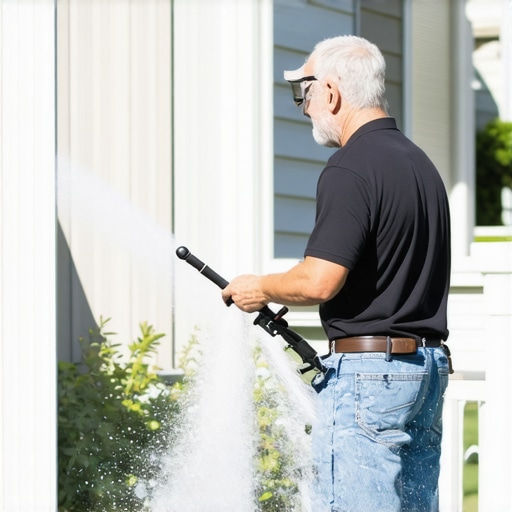
Set your washer to a low PSI—think of it as gently petting rather than grabbing—then select a wide spray angle. Start from the bottom and work your way up, maintaining consistent distance—about 12-18 inches from the surface. I once blasted too close with high pressure and saw the vinyl ripple; from then on, I kept a steady distance, which preserved the siding’s integrity and improved results.
Keep the Nozzle Moving
Imagine mowing a lawn—staying in motion ensures even cleaning. Move your spray in smooth, overlapping strokes, avoiding lingering on one spot. This technique prevents streaks and avoids concentrated water flow that can damage the material. During my first attempt, I kept pausing, creating uneven spots—once I adopted constant motion, the siding looked uniformly clean and undamaged.
Limit Water Pressure and Use Detergents Properly
Apply Detergent Correctly
Follow manufacturer instructions: dilute the detergent appropriately, starting from the bottom and working up. Use a foam cannon or low-pressure soap nozzle for even application, letting it sit for 5-10 minutes to loosen grime. When I ignored this, I either overused soap or rinsed too quickly, leaving dirt behind or causing soap buildup. Proper detergent application makes the cleaning effective without excessive rinsing.
Rinse with Care
Switch to a wide-angle nozzle and rinse from bottom to top, maintaining a safe distance. Use a gentle spray to dislodge loosened debris and soap residue. Rushing this step or using high pressure can damage the siding, so patience is key. I found that slow, deliberate rinsing ensured a spotless surface without risking warping or streaks.
Avoid Common Mistakes and Final Checks
Stay Away from Windows and Fixtures
Shield windows with plastic or painter’s tape, and avoid spraying directly into vents or electrical fixtures. I once forgot to cover a window and ended up with water inside—the cleanup was a hassle. This extra precaution keeps your interior dry and your siding pristine.
Assess Your Work and Tackle Stubborn Stains
After rinsing, inspect your siding for missed spots or stains. For stubborn areas, apply a bit more detergent and gently scrub. Remember, patience and gentle techniques preserve your siding’s appearance and lifespan. My first failed attempt left streaks, but applying these careful steps resulted in a smooth, freshly cleaned exterior.
Many homeowners believe that cranking up the pressure on their power washers guarantees a sparkling clean exterior, but this common myth can be costly. In reality, excessive pressure not only risks damaging your siding but also strips away protective coatings, leading to quicker deterioration. Experts emphasize that understanding the nuanced balance of pressure, nozzle angle, and cleaning technique is vital for effective and safe power washing. For advanced insights, I recommend reviewing proven methods to avoid peeling paint, which can be a hidden trap for the unwary, by visiting this detailed guide.
A frequent oversight involves ignoring the importance of nozzle dynamics. Many rely on high-pressure jets without considering the spray angle or distance from the surface. Wide-angle nozzles at low PSI can often clean more thoroughly and safely than concentrated high-pressure streams. Additionally, moving the nozzle steadily and keeping it at an optimal distance reduces the risk of gouging or warping, especially on delicate surfaces like vinyl or stucco. Failing to master these fine-tuned techniques results in less effective cleaning and potential damage—something I’ve learned through years of trial and error.
Another nuanced aspect involves the timing and application of detergents. Applying detergent correctly—allowing it to sit without rushing the rinse—is crucial for loosening grime. Moreover, choosing eco-friendly solutions not only protects your garden but also ensures compatibility with your siding materials, extending the lifespan of your home’s exterior. For a comprehensive approach combining safety and environmental care, I suggest exploring these eco-friendly tactics.
Now, here’s a question for the advanced enthusiast: How can adjusting water chemistry and nozzle pressure minimize surface etching while maintaining cleaning efficacy on textured surfaces? In-depth research indicates that tailored pressure and chemistry optimize results while safeguarding your surfaces. For a deeper dive into this complex interplay, check out these expert strategies.
Have you ever fallen into this trap? Let me know in the comments. Mastering these nuances can transform your power washing from a reckless chore into a trusted home maintenance skill, ensuring your house stays beautiful for years to come.
Keeping Your Power Washing Equipment in Top Shape
Maintaining your power washer is crucial for consistent, high-quality results. Personally, I swear by performing regular inspections before each project to catch any signs of wear or leaks. This proactive approach extends the lifespan of your equipment and prevents unexpected breakdowns. For example, checking the hoses for cracks and ensuring the fittings are tight can save you time and money on repairs. Additionally, replacing or upgrading nozzle tips periodically ensures optimal spray patterns, which directly affects cleaning performance.
Another vital aspect is flushing and cleaning your machine after each use. I always run clean water through the system to remove residue or detergent buildup that can cause clogging or corrosion. Applying a specialized pump maintenance spray periodically also helps keep internal components lubricated and functioning smoothly. These simple steps, though often overlooked, are the bedrock of long-lasting, effective power washing tools.
Tools I Recommend for Effective Power Washing
In my experience, investing in a high-quality extension wand significantly enhances reach and safety, especially when tackling second-story siding. I opt for models with adjustable ergonomics and quick-attach features, which promote better control and reduce fatigue during extended sessions. For hose management, I prefer heavy-duty, kink-resistant hoses that resist UV damage—these maintain water flow efficiency over years of use.
When it comes to detergents, I rely on eco-friendly options that effectively loosen dirt without harming plants or the environment. Using a foam cannon attached to my pressure washer allows for even soap application and longer dwell time on surfaces. This not only improves cleaning power but also cuts down on water and detergent consumption.
Long-Term Benefits of Proper Equipment Maintenance
Sticking to a maintenance schedule translates into consistent results and fewer costly repairs. Over time, I’ve seen how a well-maintained power washer performs better and lasts longer. Trend predictions suggest that smart, connected pressure washers with self-diagnostic features are on the horizon—making maintenance even easier and more precise. Embracing these innovations now can give you an edge in achieving reliable, professional-level outcomes for years to come.
How do I keep my power washing tools functioning over time?
Develop a routine that includes inspecting hoses and nozzles regularly, replacing worn parts, and flushing the systems with clean water after each use. Using manufacturer-recommended lubricants and storing your equipment in a dry, protected area also prevents corrosion and damage. For a deeper understanding of trusted maintenance practices, check out this comprehensive guide. As a challenge, try upgrading to a high-quality extension wand this season—it’s an investment that pays off in both efficiency and longevity.
The Hardest Lesson I Learned About Power Washing Your Home
One of the most impactful lessons was realizing that the most aggressive pressure isn’t always the best choice; patience and technique matter more than brute force. In my early days, I damaged sections of my siding simply because I thought high pressure meant better cleaning—a clear reminder that gentler, smarter methods yield better, longer-lasting results.
Tools That Transformed My Approach to Power Washing
Investing in a quality foam cannon, eco-friendly detergents, and a flexible extension wand made all the difference. These tools not only made the process more efficient but also safeguarded my siding, proving that the right equipment is vital for professional-looking results without unintended damage.
How These Tips Can Revitalize Your Home Exterior
Applying low-pressure, wide-spray techniques and thoroughly protecting windows, fixtures, and surrounding plants can save you from costly repairs and rework. Proper preparation, patience, and the right tools turn power washing into a safe, effective maintenance routine that keeps your home looking pristine for years to come. For more advanced tips, I recommend exploring how to power wash siding without peeling paint.
Insider Wisdom to Keep Your Equipment Running Smoothly
Regular inspection, flushing, and replacing worn nozzles extend your power washer’s lifespan and maintain optimal performance. I personally keep a maintenance checklist and store my equipment in a dry, protected space—simple habits that pay dividends over time. For detailed maintenance routines, check out trusted power washing maintenance practices.
Embrace the Power Washing Journey with Confidence
Everyone makes mistakes—but by understanding the nuances of pressure settings, spray angles, and proper prep, you’ll master power washing safely and efficiently. Your home deserves the best care, and with the right knowledge, you can achieve professional results without damaging your siding. Ready to transform your home’s curb appeal? I’d love to hear about your experiences or questions below. Have you ever struggled with adjusting your pressure settings? Let me know!