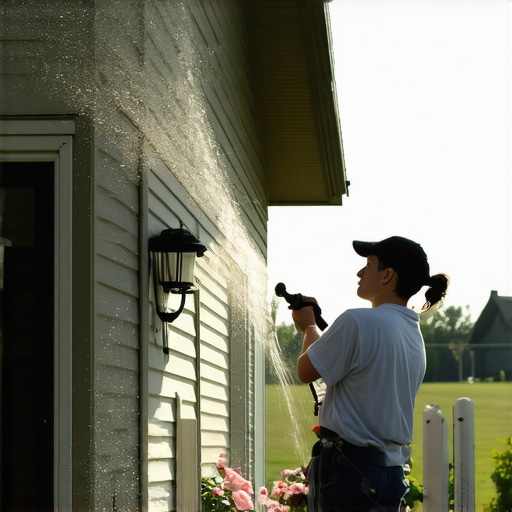
It hit me one sunny afternoon—my pride and joy, the shiny new siding of my home, was starting to look dull and faded. I grabbed my power washer, eager to give it a thorough clean, but within minutes, I realized I had made a mistake. The paint was peeling, and I was left battling a much bigger problem. That lightbulb moment taught me a crucial lesson: Power washing isn’t as straightforward as it seems, especially when it comes to delicate paint jobs.
Why You Need to Care About Power Washing and Paint Preservation
Your home’s exterior is like a first impression—it reflects your pride, the quality of your maintenance, and even your neighborhood vibe. Power washing is an excellent way to boost curb appeal and keep your house looking fresh. However, if done improperly, it can do far more harm than good, stripping the paint and causing long-term damage. In 2026, experts agree that knowing how to clean your siding without compromising the paint job is more critical than ever. Proper techniques can help you avoid costly repairs while keeping your home shining.
Is Power Washing Home Siding Actually Worth the Hype?
Initially, I thought that more pressure meant cleaner siding. Turns out, I was wrong—high pressure can peel paint right off. Early on, I mistakenly set my pressure washer to the maximum setting, thinking that would save me time. Spoiler alert: it didn’t. This mistake taught me that the right power washing technique involves not just power but also finesse. If you’re curious about what safety thresholds you should never cross, check out [Will 3000 PSI Damage Siding?](https://powerwashexpertz.com/will-3000-psi-damage-siding-5-power-washing-safety-tests-2026). It’s a game-changer.
So, if you’re wondering how to get your siding spotless without risking damage, stick around. I’ll guide you through simple, effective, and safe methods to achieve a beautifully cleaned exterior that lasts.
Now, let’s dive into the first step of mastering this essential home maintenance skill.
Prepare Your Equipment and Environment
Start by inspecting your power washer for any damage or leaks, ensuring it’s in good condition. Choose the right nozzle, ideally a 25-degree or 40-degree nozzle, which delivers a gentler spray suitable for painted siding. Clear the area of any obstructions, furniture, or delicate plants that could be damaged. Setting up a secure working space minimizes accidents and prevents unintended harm to your property.
Adjust Pressure Settings for Gentle Cleaning
Think of this step like tuning a garden hose; you want enough pressure to wash dirt but not so much that you strip paint. Set your power washer to a low or medium pressure, approximately 1500-2000 PSI, especially if your siding has peeling paint or delicate surfaces. For instance, I once started with a 3000 PSI setting, and I immediately noticed paint chipping. Lowering the pressure and testing on a small area prevented further paint damage and saved me from costly repairs. To understand how much pressure siding can withstand, review will 3000 PSI damage siding.
Use Proper Nozzle and Spray Pattern
The wide-angle nozzles spray water in a fan pattern, distributing pressure more evenly and reducing the chance of peeling paint. Hold the nozzle at a consistent 12-18 inches from the surface, pointing at a slight angle to avoid direct force. Imagine watering a delicate flower; too close and you risk damaging it—same with siding. Always keep the nozzle moving to prevent concentrating pressure on one spot, which can cause paint to lift.
Technique is Key for Safe Results
Approach your siding with steady, sweeping motions, similar to how you would paint a wall—consistent and gentle. Start from the bottom and work your way up, which helps push dirt downward and avoids debris falling onto clean areas. I recall risking a streaky look when I moved too quickly or held the spray in one spot. Instead, maintaining a smooth, side-to-side motion ensures even cleaning without over-pressurizing any section.
For a visual guide on modern equipment, see best battery-powered washers for 2026.
Utilize Proper Technique Near Sensitive Areas
Be extra cautious around windows, vents, and decorative elements. Use a spray tip with a wider fan, and keep the nozzle at a distance. When cleaning around these features, a softer approach prevents breakage or peeling edges. For example, I covered nearby windows with plastic sheeting and carefully avoided direct blasts to prevent water intrusion, which could cause leaks or paint peeling.
Follow Up with Expert Recommendations
After cleaning, assess your results. If you notice any peeling or damage, consider consulting trusted sources such as trusted power washing techniques to refine your process. Proper technique not only preserves your paint but also assures long-lasting exterior shine, making your home look professional and pristine. Properly executed, power washing with care and precision becomes an effective maintenance tool without risking damage or costly repairs.While many enthusiasts believe that cranking up the pressure yields faster, cleaner results, this misconception can lead to costly mistakes. The truth is, more pressure isn’t always better—especially on delicate surfaces like painted siding, where excessive force can peel or chip paint. Instead, trusted techniques recommend using the lowest effective PSI, often around 1500-2000, to ensure safety and efficacy. Additionally, there’s a widespread myth that power washing is suitable for all surfaces without risk, but specific materials—such as vinyl or aged wood—may require specialized nozzles or even different cleaning approaches to prevent damage. For these nuanced scenarios, consulting expert advice or trusted sources, like our comprehensive guides, can save you from preventable mishaps.To ensure your power washing efforts deliver lasting results, maintaining your equipment and using the right tools are crucial. I personally rely on high-quality accessories like adjustable spray nozzles, which allow precise control over pressure and spray pattern, minimizing damage to delicate surfaces like painted siding. For instance, a 25-degree nozzle has become my go-to because it balances cleaning power with gentleness, reducing the risk of peeling paint. Regularly inspecting hoses, seals, and filters prevents unexpected breakdowns, saving money and time. I schedule a simple maintenance routine after each season—checking for cracks, rust, or leaks—and replacing worn parts proactively. This approach aligns with trusted guidelines outlined in our expert power washing tips. As technology advances, I predict that battery-powered washers will dominate due to their convenience and decreasing cost, making maintenance even easier. Remember, well-maintained equipment extends the lifespan of your tools and ensures a safe, efficient cleaning every time. How do I maintain my power washer over time? I follow a straightforward schedule: clean filters, check hoses, and apply a corrosion inhibitor annually. For a more detailed maintenance plan, see our reliable maintenance strategies. Investing in quality tools and sticking to regular upkeep not only preserves your equipment but also guarantees professional-looking results that last. Don’t forget to try out adjustable nozzles with wide spray patterns—they’re a game-changer for protecting surfaces while achieving impressive cleanliness.
Looking back, my most valuable lesson was realizing that power washing isn’t about brute force but finesse. The secret lies in understanding your surfaces, equipment, and the tiny adjustments that make all the difference. I wish I’d known early how essential proper technique and equipment maintenance are in preserving my paint and siding. Over time, I learned that patience and attention to detail yield not just a cleaner home, but one that stands the test of weather and time.
Unseen Pitfalls That Could Sabotage Your Home’s Beauty
- Using too much pressure can peel paint or damage delicate siding—trust me, I’ve been there. Always start with the lowest effective PSI and test on a small area first.
- Neglecting equipment upkeep might seem trivial but can lead to inconsistent pressure and even safety hazards. Regular maintenance keeps your tools performing their best.
- Ignoring the importance of spray angle and distance can cause streaks or uneven cleaning, diminishing your home’s curb appeal. Work methodically, and keep the nozzle moving at a steady pace.
- Overlooking delicate features like windows or vents often leads to costly repairs. Use wider spray patterns and maintain safe distances near these areas.
- Skipping expert advice or proper tutorial resources can leave you with patchy results or damage. Investing time in trusted guides pays off in long-term savings and satisfaction.
My Toolbox for Power Washing Success
- Trusted Extension: The comprehensive guide on trusted power washing techniques offers insights that prevent mistakes and ensure lasting results.
- Quality Nozzles: An adjustable 25-degree nozzle balances power and gentleness, reducing the risk of peeling paint while providing effective cleaning.
- Reliable Maintenance: A schedule for inspecting hoses, replacing worn parts, and cleaning filters maintains your equipment’s performance and longevity.
- Modern Power Washers: Embracing the latest battery-powered models from 2026 provides quieter, more portable cleaning options that excel in delicate situations.
Trust the Process, Enjoy the Results
Power washing with care isn’t just about cleaning; it’s about respect for your home’s integrity. Each cautious spray and mindful step builds confidence, transforming what once felt intimidating into a rewarding routine. Remember, the real magic happens when you treat your home like a cherished friend—carefully, patiently, and with a plan backed by trusted advice. The shine you seek is within your reach, and with it comes pride in a job well done.
What’s the biggest challenge you’ve faced when power washing your home? Share your stories below—I’m here to help you conquer any obstacle!
}]==END===}# The