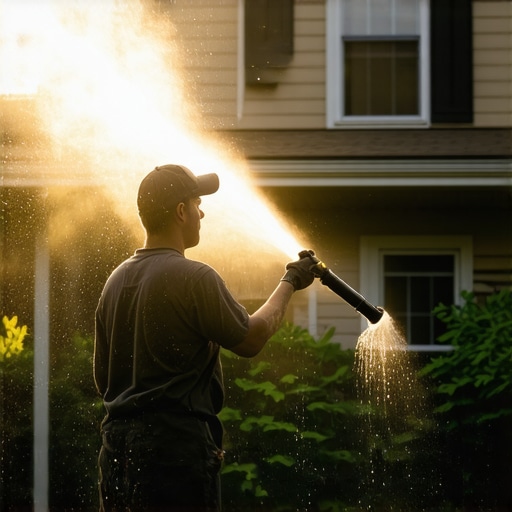
Ever stood in front of your house, sprayer in hand, and wondered why that stubborn grime just won’t come off, no matter how many passes you make? There was a weekend once when I splashed water everywhere—on my shoes, my pants, and even my neighbor’s garage—trying to blast away years of dirt from my siding. That moment was a lightbulb flickering—if I want my home to shine, I need more than just a strong jet of water; I need the right techniques that deliver lasting results.
Why Power Washing Should Be About More Than Just a Quick Spray
Power washing isn’t just about elbow grease and high pressure. It’s a skill, a craft rooted in proven methods that protect your home while making it look its best. When I first started, I thought a quick blast would suffice. Instead, I discovered I was doing more harm than good—damaging siding, forcing water into places it shouldn’t go, and ultimately, wasting time and money. That’s why I want to share what I’ve learned along the way: techniques that truly work and can be trusted to give you that long-lasting shine.
If you’re tired of the cycle—clean, grime returns in weeks, not months—you’re not alone. Trust me, I’ve been there. The key to avoiding disappointment is understanding the difference between a rushed job and a professional approach. Clean homes promote curb appeal, protect property value, and even improve your mental well-being. But achieving this isn’t as simple as zipping through with a power washer. It requires knowledge, patience, and the right tools.
For more insights on how to elevate your home’s exterior cleaning, check out this comprehensive guide. It dives deeper into trusted techniques that ensure your work lasts and your home remains beautiful for years to come.
Is Power Washing Actually Worth the Hype?
Early on, I made the mistake of believing that more pressure meant better cleaning—that’s a surefire way to damage siding or create ugly streaks. I learned the hard way that pressure needs to be matched to the surface, and using too much can strip paint or etch your concrete. It’s easy to get overwhelmed by all the equipment and advice out there, but understanding the nuances makes all the difference. Trust me, a gentle touch combined with the right techniques will transform your home’s appearance without risk.
Prepare Your Equipment for Success
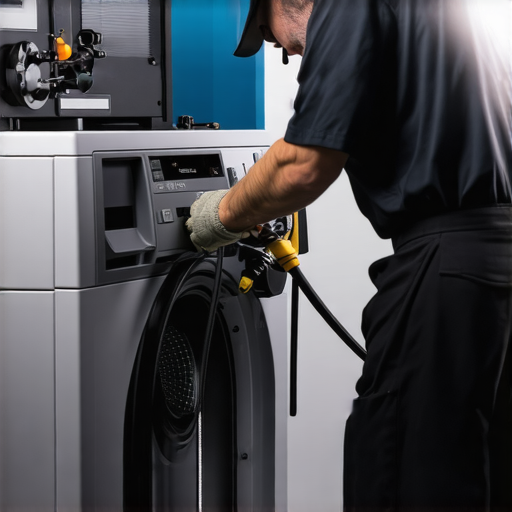
Before diving into the cleaning, assemble your power washer, ensuring all nozzles, hoses, and safety gear are in place. I once thought I could skip this step, but during my first attempt, I realized the hose was loose, leading to water spraying everywhere and wasting valuable time. Tighten all connections and wear safety glasses and gloves to protect yourself from debris and high-pressure water.
Select the Right Pressure and Nozzle
Adjust your pressure settings based on the surface you’re cleaning. For siding, a setting around 1,500 to 2,000 PSI works well. Use a 25-40 degree nozzle for gentler, even cleaning. Remember, more pressure isn’t always better; it can damage surfaces. Think of pressure as the amount of force you need to remove grime without harming your home’s exterior.
Test on a Small Area First
Always test your spray on a hidden or less-visible spot to gauge the pressure and distance. I learned this the hard way when I used full force on a corner of my siding and caused a slight gouge. Testing helps you fine-tune your technique, preventing costly mistakes and ensuring a uniform clean.
Maintain the Correct Distance and Angle
Hold the nozzle about 12-18 inches from the surface, angling the spray at about 45 degrees. Moving too close risks surface damage; too far reduces cleaning power. This balance is like watering a garden—you want enough pressure to clean but not so much as to damage delicate plants. Keep the spray moving steadily to avoid streaks or etching.
Use Overlapping Passes for Even Cleaning
Work in overlapping strokes, about half the width of your spray pattern. This ensures thorough coverage and avoids missed spots. During my first session, I zigzagged randomly and missed entire sections, leading to uneven results. Consistent overlapping mimics professional work and yields a cleaner, more uniform appearance.
Address Different Surfaces Appropriately
Concrete, wood, vinyl—each material requires a tailored approach. Use lower pressure for softer siding or painted surfaces, and higher pressure for concrete. For example, when cleaning my porch, I used a gentler setting to prevent stripping paint but increased pressure for the driveway. Recognizing these nuances helps you avoid surface damage and achieve lasting results.
Apply Detergents When Necessary
For stubborn grime, combine pressure washing with a suitable cleaning solution. Apply detergent with a foam cannon or garden sprayer, then let it sit for 5-10 minutes before rinsing. I once skipped this step, wasting hours scrubbing by hand afterward. Using detergents efficiently lifts dirt and mold, making power washing more effective and longer-lasting.
Finish with Proper Rinsing and Inspection
Thoroughly rinse all surfaces, ensuring no soap residues remain. Inspect your work for missed spots or streaks, touching up as needed. Proper rinsing prevents streaking and keeps your home looking freshly cleaned. I once missed an area and noticed the dirt seep back within weeks, highlighting the importance of detailed work.
Safety and Cleanup
After completing the job, turn off your power washer and store it safely. Clear the hoses of any remaining water, and clean your nozzles. Dispose of contaminated wash water responsibly to avoid environmental harm. Safety isn’t just during cleaning but also in how you handle equipment afterward, protecting your investment and health.
For further insights on trusted power washing techniques and ensuring your work lasts, explore this comprehensive guide. Mastering these steps will turn you into your home’s exterior guardian, delivering results that stand the test of time.
Many homeowners believe that cranking up the pressure on their power washer automatically equals a cleaner home. In reality, this common misconception can lead to surface damage and even increased cleaning time. For example, applying too much pressure on delicate materials like vinyl siding can strip protective coatings or cause gouges—compromising your home’s integrity. The truth is, effective power washing hinges on understanding how pressure interacts with different surfaces and the importance of setting the right nozzle and distance. Professionals consider these nuances to prevent costly mistakes and achieve longer-lasting results, as detailed in expert guides. Often, homeowners overlook the fact that using high pressure isn’t a one-size-fits-all solution; rather, adjusting your technique based on surface material is crucial. For instance, using a wider spray angle disperses pressure more evenly, reducing the risk of damage. This advanced approach is emphasized by industry experts, and studies show that careful pressure management extends the lifespan of your exterior surfaces. Have you ever fallen into this trap? Let me know in the comments!
Keeping Your Power Washer in Peak Condition
To ensure consistent results and prolong the lifespan of your equipment, regular maintenance is essential. I make it a habit to flush out hoses after each use to prevent buildup and corrosion, which can cause pressure inconsistencies over time. Lubricating the O-rings and seals every few months prevents leaks and maintains optimal pressure. Additionally, inspecting nozzles for wear and replacing them promptly guarantees even spray patterns and effective cleaning. Using a quality fuel stabilizer during storage prevents engine issues, especially if you don’t power wash seasonally. A properly maintained power washer not only saves you money in repairs but also ensures that each project meets professional standards. Learn more about proper equipment upkeep in our comprehensive guide.
Essential Tools for Long-Lasting Results
Beyond your power washer, investing in specialized accessories can significantly boost your cleaning effectiveness. I highly recommend a foam cannon to apply detergents uniformly and increase dwell time, which enhances grime removal and mold eradication. A surface cleaner attachment is a game-changer for large flat areas like driveways and decks, providing even coverage that reduces streaks and mottling. For delicate surfaces, consider a soft-wash nozzle that delivers lower pressure while maintaining sufficient cleaning power. Safety gear like high-quality gloves, eye protection, and sturdy boots are non-negotiable to protect yourself from high-pressure jets and chemical exposure. Using these tools consistently will lead to more durable, trustworthy results and happier homeowners. As noted in industry standards, integrating the right accessories can extend the lifespan of your surfaces and reduce the need for re-cleaning shortly after your initial wash.
What’s Next for Power Washing Technology?
As technology advances, expect smarter, more eco-friendly equipment to hit the market—think fluid sensors that optimize pressure automatically or environmentally safe detergents that degrade quickly without harming landscaping. Mobile apps that monitor your machine’s maintenance schedule and provide troubleshooting tips are already being developed, making DIY power washing smarter and more reliable. Embracing these innovations can streamline your process and produce consistent, trustworthy results, giving you confidence in every project. For those wanting to stay ahead, I suggest exploring how digital tools can simplify routine maintenance and ensure your equipment remains in top shape.
How do I maintain my power washing tools over time?
Consistent upkeep is key to long-term success. Regularly inspecting hoses, nozzles, and seals helps catch wear before it causes problems. Using manufacturer-recommended lubricants and cleaning agents preserves internal components and prevents corrosion. Also, storing equipment in a dry, sheltered space protects against environmental damage, while flushing out hoses after each use removes residual chemicals. For a detailed maintenance routine tailored to your specific model, consult the manufacturer’s guidelines or trusted industry resources. Implementing these practices consistently will ensure your tools deliver trustworthy, effective performance for years to come. Consider trying the advanced tip of applying a protective lubricant to your nozzles and seals regularly—this small step can significantly extend their lifespan. Visit this guide for comprehensive maintenance steps and expert recommendations.
The Hardest Lesson I Learned About power washing,powerwashing,powerwasher,power wash home
One of my biggest realizations was that patience and attention to detail outperform brute force every time. I used to think blasting away grime with maximum pressure was the best approach, but I ended up causing more harm than good, leading to costly repairs. The key is to understand the specific needs of each surface and adjust your technique accordingly. Taking the time to test pressure levels and using the right nozzle transformed my results from fleeting to lasting.
Tools That Became My Power Washing Game Changers
Investing in a quality surface cleaner attachment and a foam cannon changed how I approach exterior cleaning. The surface cleaner provided even coverage for large flat areas like driveways, while the foam cannon allowed me to apply detergents efficiently, increasing dwell time and dirt removal. These tools trusted by pros made my work more reliable and my results more durable, giving me the confidence that my efforts would last.
Fuel Your Home’s Future with These Power Washing Nuggets
Regular maintenance of your power washer, such as inspecting nozzles, lubricating O-rings, and flushing hoses, ensures consistent trustworthiness in your results. Proper storage and using manufacturer-recommended products extend your equipment’s lifespan, making every project a success. Remember, a well-maintained tool is the foundation of long-term, reliable results—think of it as investing in your home’s future exterior beauty.
Embrace the Power of Expert Insights
For a deeper dive into trusted techniques that make your power washing last, I recommend exploring this comprehensive guide. It encapsulates everything I’ve learned and more, helping you avoid common pitfalls and achieve a shine that endures. Combining expert tips with your personal touch will elevate your home’s curb appeal and stand as a testament to your dedication.
Turn Your Power Wash into a Lasting Legacy
Your home deserves the best, and with the right approach, your power washing efforts can leave a lasting impression. Instead of chasing quick fixes, focus on mastering the techniques and tools that ensure durability and trustworthiness. Every streak-free, well-maintained surface is a step toward a brighter, more beautiful home that continues to shine for years to come.
What’s been your biggest challenge when trying to make your power washing results last? Share your experiences below—I’d love to hear your stories and help you troubleshoot! Additionally, consider exploring more expert strategies here to keep your exterior looking impeccable.
•