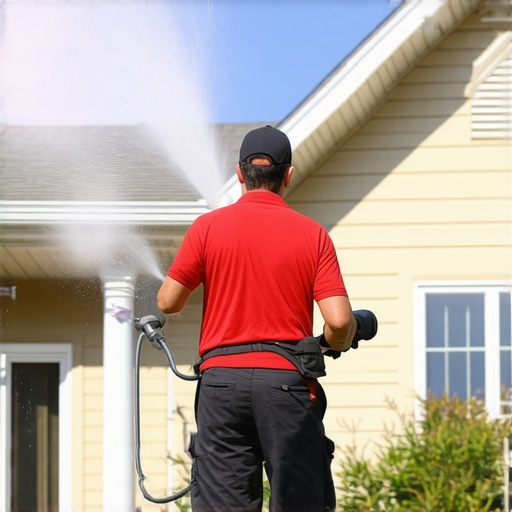
I remember the first time I tried power washing my home. I was eager to give my house a fresh look but ended up with streaks, uneven patches, and a sense of frustration that almost made me want to give up. It was a lightbulb moment for me—realizing that effective power washing isn’t just about blasting water; it’s about knowing the right techniques and trusting the process. If you’ve ever faced similar struggles, you’re not alone. But here’s the good news: you can achieve trustworthy, long-lasting results with a few simple, proven tips.
Why Trustworthy Power Washing Matters
Your home is likely your biggest investment, and keeping it looking its best isn’t just about curb appeal—it’s about protecting its exterior from damage caused by dirt, mold, and grime. A proper power wash can make your house shine like new, but only if it’s done correctly. Many homeowners fall into the trap of rushing in without proper knowledge, which can lead to damage or unsatisfactory results. That’s why I advocate for learning the right techniques and understanding what really works. Trustworthy power washing isn’t just a buzzword; it’s a commitment to doing it right, ensuring your home remains beautiful and intact for years to come.
Is Power Washing Actually Worth the Hype?
When I started, I was skeptical—would it really make that much difference? Turns out, yes. But I quickly learned that not all power washing is created equal. A mistake I made early on was using too much pressure, which damaged my siding. Trust me, that was a costly lesson. That’s why I turned to expert advice and reliable techniques, like those shared on trusted power washing techniques. Properly applied, power washing can restore your home’s exterior, boost curb appeal, and extend the life of your siding—if done with care and precision. So, are you ready to learn the secrets to trustworthy results? Let’s dive into the practical steps that will make your next power wash safe, effective, and long-lasting.
Prep Your Surface Like a Pro
Before you start spraying, inspect your home’s exterior thoroughly. Remove any loose debris, such as leaves or cobwebs, and cover delicate plants or electrical fixtures with plastic sheeting. This step is like prepping a canvas before painting—clear boundaries ensure a cleaner, more controlled job. I once skipped this step and ended up with dirt splattered across my porch light. The fix? A quick cover-up and a gentle sweep, which made all the difference.
Choose the Right Equipment and Settings
Pick a Suitable Nozzle
Using the correct nozzle is crucial. A 25-degree nozzle is versatile for most surfaces, offering a balance between power and control. For delicate siding, switch to a wider spray or a lower pressure setting. Think of it like using a garden hose; a focused jet can damage your siding, while a gentle spray cleans effectively. I remember turning the pressure too high on my first attempt, which caused streaks—lesson learned, and now I always check my nozzle settings.
Adjust Pressure Carefully
Start with the lowest pressure setting and gradually increase. It’s like tuning a guitar—precision matters. Too much pressure can strip paint or etch the surface. Trust me, I once blasted a small patch of my brickwork and regretted it. Consult trusted power washing techniques for guidance on optimal pressure levels for different materials.
Master the Technique
Maintain the Correct Distance
Keep the nozzle about 2 feet from the surface. Moving closer risks damage; farther away reduces cleaning power. Imagine watering a plant—too close can drown it, too far won’t do the job. I once got too close and created streaks on my siding. Stepping back and maintaining a steady distance gave me a more uniform clean.
Use Overlapping Strokes
Work in smooth, overlapping passes, like mowing a lawn. This ensures no spots are missed, and the surface gets evenly cleaned. I once rushed through a section, leaving behind streaks. Slowing down and overlapping strokes turned the job around, leaving a professional finish.
Apply the Right Cleaning Solutions
For stubborn grime or mold, consider a cleaning solution compatible with your surface. Use a low-pressure spray to apply the solution, then rinse with high pressure. Think of this as giving your home a gentle scrub first, then a rinse—like washing your car. Always follow manufacturer instructions or consult expert tips for safe, effective use.
Safety First
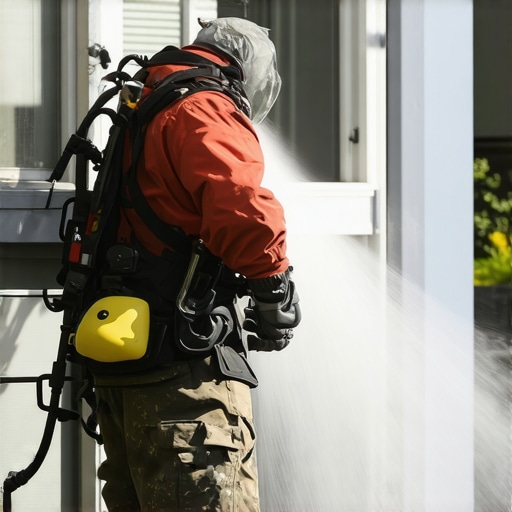
Wear protective gear—goggles, gloves, and sturdy shoes. Power washing can send debris flying. I learned this the hard way when a stray pebble hit my eye. Also, never aim the nozzle at windows or electrical fixtures directly. Think of it as handling a garden hose—you wouldn’t spray water into an electrical outlet, right? Follow safety tips to prevent accidents.
Many homeowners fall into traps when it comes to power washing, often believing myths that can compromise their results or even damage their property. Let’s dig deeper into some of these misconceptions and explore the nuances that can make your power washing efforts truly trustworthy and effective.
Why Do People Overlook the Subtle Risks of High Pressure
One of the most pervasive myths is that higher pressure always equals better cleaning. In reality, excessive pressure can etch surfaces, strip paint, or cause water to seep into areas that should stay dry. Trust me, I’ve seen siding damaged because homeowners ignored the importance of adjusting the pressure for different materials. The key is to start with the lowest effective pressure and gradually increase, following proven techniques found here. Doing so helps you avoid costly mistakes and ensures long-lasting results.
Beware of Assuming Every Surface Responds the Same
Another misconception is that power washing is a one-size-fits-all solution. But surfaces like wood, brick, vinyl, and stucco require different approaches. For instance, a gentle spray is ideal for delicate siding, while brick might handle slightly higher pressures. I once ruined a section of my stucco by using the same settings I used for my concrete driveway—lesson learned. The secret to trustworthy results lies in understanding these nuances. Check out trusted techniques to tailor your approach to each surface.
Advanced Question: How Can I Ensure My Cleaning Solutions Don’t Damage My Surfaces?
This is a common concern among those seeking durable, trustworthy results. Many assume that stronger chemical solutions mean better cleaning, but overuse or incorrect application can harm your surfaces or the environment. The right approach involves selecting compatible solutions and applying them with a low-pressure spray before rinsing thoroughly. For guidance, I recommend reviewing expert tips. This ensures your cleaning process is both safe and effective, preserving your home’s integrity while achieving a lasting shine.
Have you ever fallen into this trap? Let me know in the comments. Remember, trusting the process and understanding these nuances makes all the difference between a good power wash and a great one!
Keeping It Working: Essential Tools and Maintenance Tips for Power Washing Enthusiasts
As you dive deeper into power washing, maintaining your equipment becomes just as important as mastering the technique. Proper upkeep ensures your tools perform reliably, extends their lifespan, and guarantees consistently trustworthy results. Over the years, I’ve found that investing in quality tools and following a routine maintenance schedule not only saves money but also makes each cleaning project smoother and more effective.
Invest in a High-Quality Pressure Washer
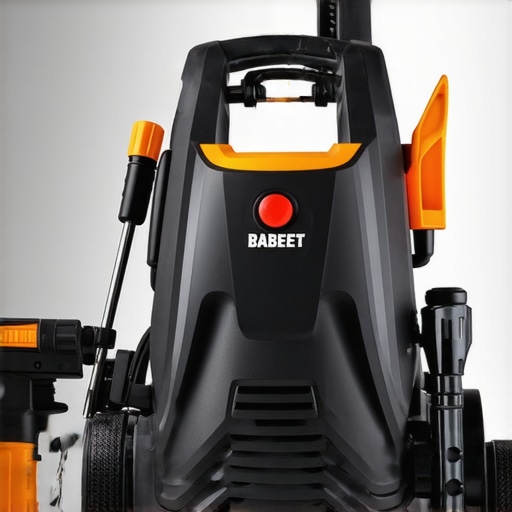
The foundation of any successful power washing project is a dependable pressure washer. Personally, I prefer models with adjustable pressure settings and durable construction. Brands like Simpson and Karcher are my go-tos because they offer robust performance and ease of maintenance. I always opt for a unit with a brass garden hose inlet and metal fittings, which resist corrosion and wear over time. This choice ensures that I don’t have to replace parts frequently, keeping my workflow uninterrupted.
Use Proper Nozzles and Keep Them Clean
The right nozzle makes all the difference. I rely on a set of stainless steel nozzles, especially a 25-degree tip for most surfaces, because they deliver even spray patterns and resist damage. Regularly inspecting and cleaning nozzles prevents clogs and maintains spray accuracy. I recommend soaking nozzles in vinegar solution periodically to dissolve mineral deposits, a trick I learned from experienced pros. A clean nozzle equals consistent pressure and better cleaning outcomes, which directly contributes to trustworthy results.
Maintain Your Hoses and Connectors
Hoses are often overlooked but are critical for reliable performance. I keep my hoses coiled properly, avoiding kinks that can cause cracks or leaks. Connecting fittings should be checked for corrosion or wear; replacing worn parts immediately prevents water loss and pressure drops. Using a high-pressure hose reel also helps prolong the life of the hose by preventing unnecessary bending or abrasion.
Regularly Service Your Pump and Engine
If you’re using a gas-powered pressure washer, routine oil changes and filter replacements are vital. I follow the manufacturer’s recommended service intervals religiously, which you can find detailed in their manual. For electric models, ensuring that brushes and switches are clean and functional prevents unexpected failures. Consistent servicing keeps your machine running smoothly, so you can focus on delivering top-tier results without interruptions.
Store Equipment Properly
When not in use, store your power washing tools in a dry, sheltered space. I always drain residual water from hoses and nozzles to prevent freezing and cracking during colder months. Using protective covers for your equipment adds an extra layer of defense against dust and UV damage, preserving your investment over time. Proper storage is a simple yet effective way to keep your tools in prime condition year-round.
Predicting Future Trends in Power Washing Tools
As technology advances, we can expect smarter, more efficient equipment with IoT connectivity for real-time diagnostics and maintenance alerts. Eco-friendly solutions and energy-efficient motors are also on the rise, helping us achieve trustworthy results while reducing environmental impact. Staying updated with industry innovations ensures you can adapt your toolkit for long-term success.
How do I maintain my power washing tools over time?
Developing a routine maintenance schedule is key. Clean and inspect nozzles after each use, check hoses for leaks, and replace worn fittings promptly. Regularly service your pump and engine according to the manufacturer’s guidelines, and store equipment properly in a dry, protected area. These small habits preserve the integrity of your tools and guarantee your power washing results remain trustworthy and long-lasting. For detailed tips, I recommend reviewing trusted power washing techniques.
Over the years, I’ve learned that the true secret to reliable power washing isn’t just about equipment or pressure—it’s about the mindset and attention to detail. Here are some lessons I wish I had known from the start that can help you avoid common pitfalls and achieve trustworthy, long-lasting results on your home exterior.
- Patience beats brute force every time. Rushing through a power wash often leads to streaks, missed spots, and even damage. Taking your time, adjusting settings carefully, and working systematically ensures a more professional finish that lasts.
- Every surface has its story. Wood, vinyl, brick, and stucco all respond differently to power washing. Tailor your approach—using the right pressure and technique—to each material. This nuance is what separates trustworthy results from costly mistakes.
- Don’t underestimate the power of pre-treatment. Applying a suitable cleaning solution before rinsing can loosen grime and mold, reducing the need for high pressure and minimizing risk. Check out trusted tips for selecting solutions.
- Protect what matters most. Cover delicate plants, electrical fixtures, and windows meticulously. A little extra prep prevents surprises and keeps your home safe during the cleaning process.
- Consistent maintenance of your equipment is non-negotiable. Clean nozzles, check hoses, and service your pump regularly. Well-maintained tools deliver trustworthy results and extend their lifespan, saving you money and headaches.
These insights are born from personal experience and a desire to help fellow homeowners avoid the costly mistakes I made early on. Remember, trustworthiness in power washing comes down to patience, knowledge, and care. If you want to dive deeper into proven techniques, visit this comprehensive guide for everything you need to know.
Stay Curious and Keep Improving
Power washing is both an art and a science. The more you learn, the better your results will be—trust me, the satisfaction of a perfectly cleaned home is worth the effort. So, what’s the biggest challenge you’ve faced in power washing? Let me know below!