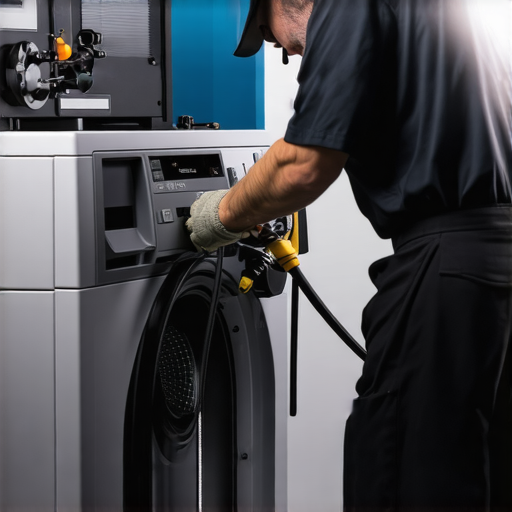
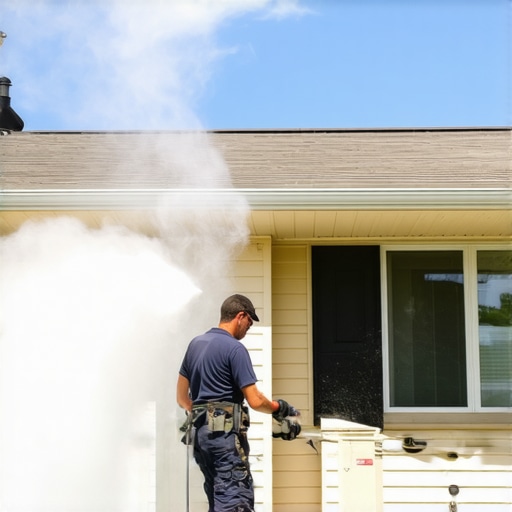
I remember the first time I tried power washing my own home. I was eager to make the house look fresh and new, but within minutes, I was spraying too close, risking damage, and feeling overwhelmed. That lightbulb moment hit hard—I realized that confidence with power washing isn’t just about owning a machine but understanding how to use it safely and effectively.
Why Trust Matters When Power Washing Your Home
For many homeowners, the idea of tackling their home’s exterior can be daunting. It’s not just about cleaning; it’s about trusting that the results will last and that you won’t cause more harm than good. A poorly executed power wash can strip paint, damage siding, or leave behind streaks that make your house look worse.
That’s why I became obsessed with finding proven techniques that deliver consistent, trustworthy results. It’s not magic—it’s about understanding the right pressure, detergents, and techniques. Did you know that improper power washing can actually reduce your home’s curb appeal and even lower its value? According to experts, using the right methods can not only clean effectively but enhance your home’s appearance for years to come. Learn more about trusted techniques here.
Is Power Washing Really Worth the Risk?
Early on, I made the mistake of rushing into a big job without proper preparation. I thought more pressure meant better cleaning. Spoiler: it doesn’t. I ended up with streaks and a scratched surface. That mistake taught me a vital lesson: if you want trustworthy results, you need to follow proven strategies. Luckily, there are methods that make power washing safe, effective, and long-lasting. We’ll explore those soon, but first, let’s address the biggest skepticism I hear:
“Can I really get reliable results without hiring a professional?”
My answer is yes, but only if you approach it with the right knowledge and techniques. Trust isn’t built overnight—it’s earned through consistent, proven methods. Want to learn how to build that trust and achieve stellar results? Let’s dive in!
Prepare Your Equipment and Environment
Start by inspecting your power washer to ensure it’s in good condition. Check the nozzle, hose, and connections. I once skipped this step and ended up with inconsistent pressure, which led to streaks on my siding. Always test your pressure on a small, inconspicuous area first. Clear the area of obstacles and cover nearby plants with plastic sheeting to protect them from debris and chemicals. Think of this step as setting the stage for a successful cleaning — a clutter-free zone reduces surprises and mishaps.
Choose the Right Pressure and Nozzle
Using the correct pressure is crucial. Too high, and you risk damaging surfaces; too low, and the dirt won’t come off. For most home exteriors, a pressure of 1500-2000 PSI is sufficient. Use a nozzle with a wider spray angle, like 25 or 40 degrees, to distribute pressure evenly. I once used a 15-degree nozzle for a delicate fence, which caused paint chipping. Remember, it’s better to start with less pressure and increase gradually if needed. For detailed guidance, check out trusted techniques here.
Apply Detergents Correctly
For stubborn stains, a detergent or cleaning solution is essential. Use a biodegradable, house-safe cleaner diluted properly. I learned this the hard way when I used too strong a chemical and had to rinse repeatedly. Apply the detergent with a low-pressure nozzle or a garden sprayer, working from the bottom up. Let it sit for 5-10 minutes, but don’t let it dry out. This step loosens dirt and mold, making your power wash more effective. For expert tips, see effective techniques here.
Use Proper Technique and Movement
Maintain a consistent distance of 8-12 inches from the surface. Use smooth, overlapping strokes, moving the wand in a steady, controlled motion. I once zigzagged randomly and missed spots, leaving uneven results. Think of it like painting a wall — even coverage comes from deliberate, methodical passes. Always keep the nozzle moving to prevent stripping paint or gouging the siding. For a visual guide, visit reliable strategies here.
Rinse and Final Touch-Ups
After applying detergent and cleaning, switch to a clean water rinse at a slightly lower pressure. Rinse from top to bottom to avoid streaks. Pay special attention to corners and textured areas where dirt can hide. Once finished, inspect your work. If you spot streaks or missed spots, re-wash those areas. Remember, patience and careful technique build trust in your results. For more detailed methods, explore trusted techniques here.
Safety First for Lasting Confidence
Always wear protective gear — goggles, gloves, and closed shoes. Never point the wand at yourself or others. Use caution with chemicals and avoid power washing on windy days. These safety measures are the foundation of trustworthy results, protecting you and your property. I learned this the hard way after a splash of chemical got into my eye — don’t skip safety! For comprehensive safety tips, see safety tips here.
When it comes to power washing, many homeowners fall into traps fueled by misconceptions that undermine their efforts. Let’s dig deeper into some of these hidden pitfalls and clear the air with expert insights. First up, a prevalent myth is that higher pressure always equals better cleaning. While it might sound logical, this can actually cause more harm than good. Using excessive pressure risks damaging siding, stripping paint, or gouging surfaces. Instead, I recommend starting with a lower PSI—around 1500-2000—and gradually increasing if necessary. This nuanced approach ensures you clean effectively without sacrificing your home’s integrity. For more advanced strategies, check out trusted techniques here.
Another common misconception is that you can skip the detergent step and just blast away dirt with water. This is a mistake that often leads to incomplete cleaning, especially with mold, algae, or stubborn stains. Detergents are not just for show; they loosen grime and mold from textured surfaces, making your power wash more efficient. Applying the right cleaning solution at low pressure, then rinsing thoroughly, results in a longer-lasting shine. I once used too strong a chemical and caused damage—so always dilute properly and test a small area first. Learn more about safe detergent application techniques here.
What’s the biggest mistake even experienced DIYers make?
Many fall into the trap of uneven coverage caused by inconsistent wand movement or improper overlap. This can leave streaks or miss spots, leading to an uneven finish. The key is to maintain a steady, overlapping motion with the wand at the correct distance—about 8 to 12 inches from the surface. Using a wide-angle nozzle like 25 or 40 degrees can help distribute pressure evenly. Think of it as painting a wall: methodical, deliberate strokes yield the best results. For detailed guidance on technique, explore reliable strategies here.
Finally, a sneaky trap is neglecting safety measures. It’s tempting to cut corners, but protective gear like goggles, gloves, and closed shoes are non-negotiable. Splashing chemicals or high-pressure water can cause serious injuries if you’re not careful. Always point the wand away from yourself and others, and work in calm weather to avoid accidental sprays. Remember, safety first builds trust in your results—and keeps you healthy. For comprehensive safety tips, visit safety tips here.
By debunking these myths and understanding the nuances, you’ll be well on your way to achieving trustworthy, lasting results with your power washing projects. Have you ever fallen into this trap? Let me know in the comments!
Keep Your Equipment in Top Shape
To ensure your power washing tools deliver consistent, trustworthy results over time, regular maintenance is essential. I personally swear by inspecting my pressure washer before each use. Checking the hoses, nozzles, and connections for leaks or wear prevents unexpected breakdowns and ensures optimal performance. A clean filter is also crucial; a clogged filter reduces pressure and cleaning effectiveness. Remember, a well-maintained pressure washer lasts longer and saves you money in the long run.
Investing in Quality Tools
While affordable models can work for occasional cleaning, I recommend investing in a professional-grade pressure washer if you plan to do regular projects. Brands like Simpson or Karcher offer reliable machines with variable pressure settings and durable components. For detergents, I prefer biodegradable, eco-friendly options that are tough on grime but gentle on your home and landscape. Using the right tools not only makes your job easier but also extends the lifespan of your equipment, ensuring trustworthy results every time.
Using the Right Accessories
To scale your cleaning capabilities, consider accessories like extension wands for hard-to-reach areas or surface cleaners for decks and patios. These tools help you achieve efficient, even coverage, which builds confidence in your work. I personally use a wide-angle nozzle for delicate surfaces, which distributes pressure more evenly and prevents damage. Proper attachments can significantly improve your results and reduce fatigue during long sessions, making your power washing more effective and trustworthy.
How do I maintain equipment over time?
Proper maintenance involves more than just cleaning after each use. I recommend draining the water from your pressure washer to prevent freezing and corrosion, especially if storing it in cold climates. Regularly inspecting and replacing worn-out nozzles and hoses keeps your machine running smoothly. Applying a protective lubricant to moving parts minimizes wear and tear. Additionally, scheduling annual professional tune-ups can catch issues early before they escalate. Following these steps ensures your tools remain reliable, helping you achieve consistent, long-lasting results.
Future Trends in Power Washing Equipment
Looking ahead, I believe advancements like smart technology and automated pressure regulation will make DIY power washing even more accessible and trustworthy. Devices that monitor pressure and detergent levels in real-time will help prevent damage and optimize cleaning. As technology evolves, choosing equipment with smart features and durable construction will become increasingly important for homeowners committed to long-term results. For the most innovative tools, stay tuned to trusted sources and consider upgrading your setup as new solutions become available.
Start implementing a regular maintenance routine today, and consider investing in quality accessories. These small steps will vastly improve the reliability of your power washing projects and help you maintain that professional shine. Want to learn more about advanced techniques? Explore reliable power washer techniques here and elevate your results!
Lessons from the Power Washing Frontier
- One of the hardest lessons I learned was that more pressure isn’t always better. Starting with a lower PSI and gradually increasing is key to avoiding damage and ensuring lasting trust in your results. I once used too high pressure on my siding, which caused streaks and chipped paint — a costly mistake that taught me to respect the right pressure levels. Trusted techniques are your best allies here.
- Detergents are often underestimated. I used to think water alone would suffice, but stains, mold, and grime require proper cleaning solutions. Diluting biodegradable detergents correctly and applying them from bottom to top made all the difference in my projects. This approach not only cleans better but also protects my home’s exterior for the long haul. Find out more about effective detergent use here.
- Consistent movement with the wand is essential. I once zigzagged randomly, missed spots, and created uneven streaks. Now, I use smooth, overlapping strokes at a steady pace, maintaining 8-12 inches distance. It feels like painting a wall—deliberate, even coverage builds trust in your results. For a detailed guide, see these strategies.
- Safety gear is non-negotiable. I learned this the hard way when a splash of chemical got into my eye. Wearing goggles, gloves, and closed shoes protects you and your home. Pointing the wand away from yourself and working in calm weather are simple habits that keep accidents at bay. Read comprehensive safety tips here.
Curated Arsenal for Power Washing Success
- High-quality pressure washers: Brands like Simpson and Karcher offer durable, variable-pressure machines that make the job easier and results more consistent. Investing in a reliable model is a game-changer for trustworthiness.
- Eco-friendly detergents: I personally prefer biodegradable, house-safe cleaners that tackle grime without harming landscaping or the environment. They boost confidence that your cleaning won’t cause collateral damage.
- Surface cleaners and extension wands: These accessories help you reach hard spots and achieve even coverage, making your work efficient and trustworthy. Good tools, trusted results.
- Regular maintenance routines: Draining water, inspecting nozzles, and replacing worn parts prolong your equipment’s life and keep your results consistent. Schedule annual tune-ups to stay ahead of issues.
Ignite Your Power Washing Journey Today
The secret to trustworthy power washing lies in the details—pressure control, proper detergents, steady technique, and safety. Embrace these habits, invest in quality tools, and commit to regular maintenance. Each step builds confidence in your results, transforming your home’s exterior into a shining example of your dedication. Remember, mastery is a journey, not a destination. Keep learning, experimenting, and trusting your process. Want to explore more advanced techniques? Check out these expert methods and elevate your power washing game!”} ,