I remember the first time I tried to power wash my home’s exterior. I was eager to restore its curb appeal but ended up with streaks, missed spots, and worse—some paint peeling. It was a lightbulb moment that even with the best equipment, rushing or misjudging pressure could do more harm than good. Since then, I’ve learned that trust in your power washing results isn’t just about having the right tools; it’s about applying proven techniques and knowing what to avoid. Today, I want to share the secrets that have helped me—and countless homeowners—achieve lasting, trustworthy results with confidence.
Why Trust Matters More Than Ever in Power Washing
Your home is likely your biggest investment. Think about the time, effort, and money you’ve poured into it. A good power wash doesn’t just clean; it protects and sustains your property’s value. But the industry’s hype often overshadows the real challenge: ensuring the cleaning process is safe, effective, and long-lasting. If you’ve ever been disappointed by a quick fix that faded in a few months, you’re not alone. The truth is, many homeowners don’t realize how critical proper technique and trusted methods are for maintaining that fresh look over time. As I learned early on, rushing into power washing without proper guidance can result in damage, which is why I now prioritize proven strategies that guarantee trustworthy results.
According to a recent industry report, improper power washing can even reduce a home’s value if it causes damage or leaves behind streaks. That’s why it’s essential to approach this task with knowledge and care. To help you avoid my early mistakes and get results you can rely on, I’ll walk you through the core principles of trustworthy power washing—techniques, safety, and choosing the right professionals when needed. Trust me, the extra effort pays off in the long run, saving you money, time, and headaches.
Have you ever faced a situation where your power washing didn’t last or caused unexpected damage?
If so, you’re in good company. Many homeowners find themselves in this predicament because they lacked the right guidance or underestimated the importance of proper technique. Don’t worry—by the end of this post, you’ll know exactly how to approach power washing with confidence, ensuring lasting results that truly boost your home’s appearance and value. Ready to dive into the proven methods that make trustworthy power washing possible? Let’s get started with the essentials you need to know before you spray.
Start with a Solid Plan
Before you spray a single jet of water, assess your home’s surface to determine the best approach. Think of it like planning a road trip—you wouldn’t just hit the gas without knowing the route. I once skipped this step and ended up with streaks on my siding because I didn’t recognize the different materials. To avoid this, identify whether you’re cleaning brick, vinyl, or wood, and research the appropriate pressure settings and cleaning solutions for each. This foundational step ensures you’re not just cleaning, but doing so safely and effectively. For detailed insights, check out proven power washing tips.
Choose the Right Equipment and Settings
Using the correct pressure washer and nozzle is crucial. Think of it as choosing the right brush for painting—wrong tools lead to poor results. For most home exteriors, a pressure setting between 1500-2500 PSI works well, but always start at the lower end and increase gradually. A wider spray angle (such as 25 or 40 degrees) disperses water more evenly, reducing the risk of damage. I once used a narrow nozzle expecting better results but caused paint peeling on my siding. Remember, more pressure isn’t better; control and appropriate settings make all the difference. For expert advice, visit trusted techniques for lasting results.
Master the Proper Technique
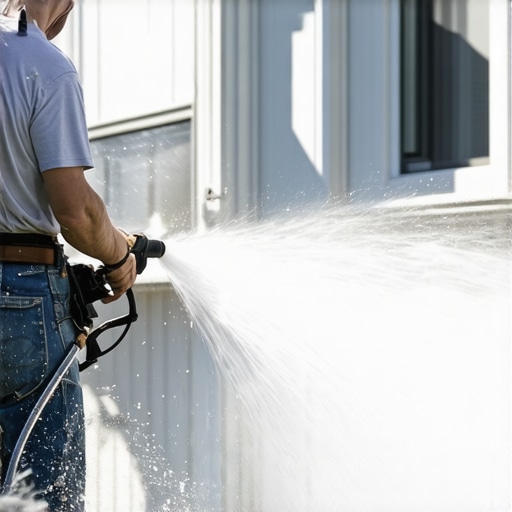
Hold the wand at a consistent 45-degree angle and keep it moving—think of it like sweeping your floor to avoid streaks. I learned this the hard way when I held the nozzle still, which caused uneven cleaning and streaking. Maintain a steady pace, about 2-3 feet per second, and don’t stay too long in one spot. Overdoing it can etch the surface or force water behind siding. Use overlapping strokes to ensure even coverage. For a visual guide, see trusted techniques for lasting exterior shine.
Protect Your Surroundings and Yourself
Safety is part of building trust in your results. Wear protective goggles, gloves, and a mask if needed. Cover nearby plants, electrical outlets, and delicate fixtures with plastic sheeting—think of it as putting a tarp over your car before painting. I once neglected this step and ended up with waterlogged plants; it was a costly mistake. Using a low-pressure nozzle around windows and electrical outlets prevents water intrusion. Safety gear and proper coverage are simple measures that safeguard your investment and your health. Learn more about safety tips at power washing safety tips.
Apply the Cleaning Solution Correctly
The right cleaning solution enhances trustworthiness by breaking down grime without damaging surfaces. Mix biodegradable detergents or specialized cleaners for your material—never use harsh chemicals that could etch or discolor. Apply the solution with a low-pressure spray or a pump sprayer, allowing it to sit for 5-10 minutes. I once used a generic cleaner that did little, but switching to a chemical recommended for my siding made a noticeable difference. Rinse from a higher point downward to avoid streaks. For detailed recommendations, see proven cleaning strategies.
Inspect and Repeat for Consistency
Always step back and evaluate your work. Look for missed spots, streaks, or uneven areas. Trust is built through meticulous inspection and touch-ups. If necessary, reapply cleaning solution or adjust your spray angle. I found that a second pass with a softer spray restored my surfaces to a uniform shine. This attention to detail ensures each job is trustworthy and durable. For more on thorough cleaning, consult top techniques for your home.
Most homeowners believe that applying more pressure or rushing through the process guarantees better cleaning results. However, this is a dangerous misconception that can lead to damage or short-lived results. In my experience, the real secret lies in understanding the subtle nuances of power washing that many overlook.
One of the biggest myths is that higher PSI always equals a cleaner surface. In reality, exceeding recommended pressure levels can etch surfaces, strip paint, or force water behind siding, causing long-term harm. Instead, focus on the right pressure for your material—typically, 1500-2500 PSI for most home exteriors—and always start low, gradually increasing as needed. For detailed guidance, check out trusted techniques for lasting results.
Another common mistake is neglecting the importance of proper nozzle selection. Using a narrow spray angle (like 0 or 15 degrees) may seem effective but can cause damage, especially on delicate surfaces. A wider spray (25 or 40 degrees) disperses water more evenly and reduces the risk of etching or gouging. Remember, the goal is to clean, not to abrade the surface. For expert tips on nozzle choice, visit trustworthy power washing tips.
Are you aware of the advanced risks of improper pressure washing?
Many homeowners underestimate the damage that improper technique can cause. Water intrusion behind siding, gouges on wood, or peeling paint are just some consequences of rushing or using wrong settings. According to industry experts, applying excessive pressure or holding the nozzle still in one spot can cause micro-etching, which weakens surfaces over time. This subtle damage is often invisible initially but dramatically shortens the lifespan of your exterior finishes. To avoid this, always keep the wand moving in overlapping strokes and use the lowest effective pressure. For more on this, see proven strategies for reliable cleaning.
Furthermore, many forget that the cleaning solution itself plays a pivotal role in trustworthy results. Using harsh chemicals or neglecting to pre-treat can lead to uneven cleaning and rapid re-soiling. Applying the right biodegradable detergents and letting them sit for the recommended time ensures a thorough clean without damage. Rinsing from top to bottom prevents streaks and enhances the longevity of your results. For detailed advice, explore proven cleaning strategies.
Finally, skipping the inspection step can undermine your trust in the outcome. Always step back and evaluate your work, re-treat missed spots, and adjust your technique accordingly. This meticulous approach ensures each job is trustworthy and durable, saving you money and headaches in the long run. For more expert insights, visit top techniques for your home.
Remember, the key to trustworthy power washing isn’t just about the equipment but applying nuanced techniques and avoiding common pitfalls. Have you ever fallen into this trap? Let me know in the comments.
Once you’ve mastered the initial power washing process, the next crucial step is maintaining your equipment and ensuring the longevity of your results. Proper maintenance not only extends the lifespan of your tools but also guarantees consistently trustworthy cleaning outcomes. My preferred approach involves using high-quality pressure washers and accessories designed for durability and precision. For example, I recommend the Simpson MS60763 gas pressure washer, renowned for its robust build and reliable performance, especially when tackling larger exterior surfaces. Investing in a model with adjustable PSI and multiple nozzle options allows for fine-tuning your pressure depending on the material—saving surfaces from damage and ensuring a thorough clean every time.
Regularly inspecting hoses, fittings, and nozzles for signs of wear or leaks is vital. I make it a habit to check these components before each session, replacing any damaged parts immediately. This simple routine prevents pressure drops and inconsistent results, which can undermine trust in your work. Additionally, cleaning and storing your equipment properly after each use is essential. Rinsing out detergent residue, draining water from hoses, and storing everything in a dry, protected space helps prevent corrosion and buildup that could impair function over time.
Using quality detergents is another key factor. I favor biodegradable cleaning solutions like Krud Kutter or Eco-friendly options tailored for specific surfaces. These not only protect your surfaces but also reduce strain on your equipment. Applying them with a foam cannon or low-pressure spray ensures even coverage and longer-lasting cleanliness. For detailed guidance on choosing and applying the right solutions, check out our trusted tips.
Looking ahead, I see a growing trend toward automation and smart maintenance tools. Automatic nozzle cleaners and pressure sensors that monitor wear and alert you to issues will become standard, making maintenance more proactive and less guesswork. Embracing these innovations can keep your equipment performing at peak levels, ensuring trustworthy results over years of use.
How do I maintain my power washing tools over time?
Maintaining your tools involves regular inspection, cleaning, and proper storage. Use high-quality lubricants on moving parts, replace worn-out nozzles, and flush out your hoses after each use. Scheduling annual professional tune-ups can also prevent costly breakdowns and ensure your equipment remains reliable. Remember, a well-maintained pressure washer delivers more consistent results and preserves the trust you’ve built with your clients or yourself. To explore more in-depth maintenance routines, visit our comprehensive guide.
Don’t forget, the key to long-term success in power washing is combining quality tools with regular upkeep. Try implementing a routine maintenance schedule today—your equipment and your results will thank you. For further insights into trustworthy power washing techniques, check out expert tips.
Three Unexpected Lessons That Changed My Power Washing Approach
First, I underestimated the importance of surface-specific techniques. Different materials like brick, vinyl, and wood demand tailored pressure and nozzles. Failing to adapt led to streaks and damage, teaching me that detail is everything. Second, I once used too much pressure thinking it would clean better, but it ended up stripping paint and causing micro-etching. This taught me that gentle, controlled pressure with the right technique produces lasting results. Third, skipping the inspection step after cleaning resulted in missed spots and uneven shine. Every time I take a moment to evaluate and re-treat, my results are more consistent and trustworthy.
Tools and Resources That Keep Me Confident
My go-to pressure washer is the Simpson MS60763, thanks to its durability and adjustable PSI, which helps me customize for each surface. I rely heavily on proven power washing tips that emphasize safety and technique. For cleaning solutions, I trust biodegradable detergents like Krud Kutter because they clean effectively without damaging surfaces. For ongoing learning, I recommend reading trusted techniques for lasting results, which keep me updated on industry best practices. These tools and insights have built my confidence in delivering trustworthy power washing every time.
Take Action and Trust Your Skills
If you’re ready to elevate your power washing game, remember that mastery comes from patience, proper technique, and continuous learning. Each surface you clean is an opportunity to build trust with your home or clients, and the results will speak for themselves. Don’t be afraid to start—your home’s exterior will thank you for the effort. Now, I want to hear from you: Have you ever struggled with achieving consistent results? Let me know below, and share your experiences or questions to help others on their journey to trustworthy power washing.
,