Ever had a power wash go wrong? I remember thinking I could save a few bucks and just blast away dirt without any real plan. The result? A streaked, uneven mess that made my home look worse than before. That lightbulb moment hit hard. I realized that trusting in proven techniques isn’t just a good idea — it’s essential for lasting results. If you’re tired of wasting time and money on unreliable cleaning methods that fade fast, stick around. Today, I’ll share how to build trust in your power washing results with techniques that truly last.
Why Trust Matters in Power Washing
When it comes to cleaning your home’s exterior, trust isn’t just about confidence — it’s about results. A quick spray might seem enough, but without reliable methods, dirt, grime, and algae just come back faster. I’ve learned the hard way that skipping the right steps leaves your home vulnerable to damage and short-lived shine. Early on, I made the mistake of rushing the job, thinking I could wing it. That resulted in streaks, damage to delicate surfaces, and ultimately, more work to fix the mess. It was a costly lesson that taught me the importance of following proven strategies.
Fortunately, there are techniques backed by experts that guarantee your home stays cleaner, longer. For example, using the right pressure, nozzles, and cleaning solutions can make a huge difference. Want to know how I turned my approach around? Check out the trusted techniques for lasting exterior shine — they changed my cleaning game for good.
What Are the Biggest Skeptics Worried About?
Many people doubt whether these proven methods are worth the effort or cost. They worry about damage, ineffective cleaning, or the whole process taking too long. I get it. When I started, I feared I’d ruin my siding or waste money on products that didn’t deliver. I learned that making a few common mistakes early on can sabotage your results. For instance, using too much pressure or neglecting to test a small area first can lead to costly repairs. That’s why trusting in expert advice and proven techniques is so crucial — they help you avoid these pitfalls and get reliable results every time.
Start with the Right Equipment and Settings
My first mistake was using a generic nozzle and high pressure without adjustments. I learned that selecting the correct nozzle tip, such as a 25-degree for siding, prevents surface damage and ensures even cleaning. Set your pressure washer to a moderate PSI—around 1500-2000 for most home exteriors—and always test on a small, inconspicuous area before proceeding. This step is like tuning a guitar before a performance; it ensures everything is calibrated for the best results.
Choose the Proper Nozzles and Pressure
Using the wrong nozzle can be like using a sledgehammer for a delicate task. Switch to a wider spray angle for siding to avoid etching or damaging the surface. When I replaced my narrow nozzle with a wider one, I noticed a significant reduction in streaks and damage. Remember, a lower pressure setting combined with the right nozzle delivers effective cleaning without risking your home’s integrity. For more detailed guidance, check out this trusted techniques for lasting exterior shine.
Prep Your Surface for Success
Before spraying, I always clear the area of loose debris and cover plants or electrical outlets. Think of it as preparing a canvas before painting—clean and protected. I once overlooked this step and ended up splattering dirt onto my porch furniture, making more work afterward. Use painter’s tape and plastic sheeting to safeguard delicate fixtures. This simple prep work ensures your cleaning effort is efficient and damage-free.
Apply the Right Cleaning Solutions
Choosing the appropriate cleaning solution is crucial. I experimented with different detergents and found that eco-friendly, biodegradable options worked best for my siding. Applying a cleaning agent with a low-pressure spray and letting it sit for 5-10 minutes allows the solution to break down grime effectively. Rinsing afterward with a higher-pressure spray restores the surface’s brightness. For more tips, visit this guide to reliable cleaning.
Technique Matters: The Art of Power Washing
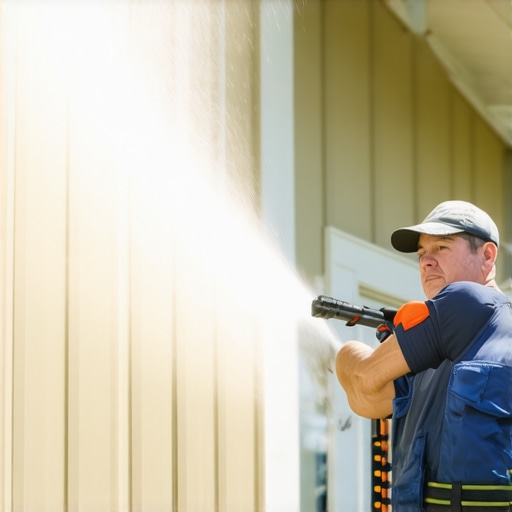
In my early attempts, I rushed the process, moving the nozzle too quickly or holding it too close. It’s like trying to erase a chalkboard with a quick swipe—ineffective and messy. Instead, I learned to maintain a consistent distance of about 12-18 inches from the surface and move the nozzle in smooth, overlapping strokes. This method ensures even coverage and reduces streaks. Think of it as mowing a lawn—consistent, controlled passes yield the best look and longevity.
Work from the Top Down
Always start at the highest point of your surface and work downward. This prevents dirty water from dripping onto already cleaned areas. I once started from the bottom and ended up re-cleaning parts because dirt ran down onto fresh surfaces. This simple rule saves time and guarantees a clean, streak-free finish. For a detailed step-by-step, see this power washing with confidence.
Post-Cleaning Care for Lasting Results
Once finished, I rinse the surface thoroughly and allow it to dry naturally. Applying a protective sealant or treatment afterward can extend the life of your clean exterior. Think of it as putting a coat of armor—resisting future dirt and algae buildup. I noticed my siding stayed cleaner longer when I added a sealant recommended by experts, which you can find out more about at this trusted techniques for lasting shine.
Many homeowners enter the world of power washing with a set of beliefs that, surprisingly, can do more harm than good. Let’s dig deeper into the most common misconceptions and reveal the hidden nuances that can make or break your cleaning results.
Why More Pressure Isn’t Always Better
Contrary to popular belief, cranking up the pressure on your power washer doesn’t equate to a cleaner home — it often leads to surface damage. Experts emphasize that using excessive PSI can etch delicate surfaces like siding or shingles, causing costly repairs. Instead, understanding the right pressure for specific materials is crucial. For instance, a setting of 1500-2000 PSI is usually sufficient for most residential exteriors, providing effective cleaning without risking harm. If you want to learn more about selecting the correct pressure and equipment, check out this trusted techniques for lasting exterior shine.
What Do Experts Say About Pressure Levels?
Studies from the National Association of Home Builders show that improper pressure settings are among the top causes of surface damage during power washing. Knowing the right PSI, nozzle type, and spray angle is essential. For example, a wider spray (25-40 degrees) distributes pressure more evenly, reducing risks. Remember, the goal is to clean, not to strip away your home’s protective layers. Make sure to test on a small, inconspicuous area before proceeding with the entire surface.
Skipping Surface Preparation Can Backfire
Another myth is that power washing can be a quick fix without prep. Skipping steps like removing debris, covering plants, or protecting fixtures often results in dirt splattering, damage, or ineffective cleaning. Proper surface prep is a simple yet vital step that ensures dirt and grime are loosened beforehand, making the process more efficient and less risky. For detailed prep techniques, visit this guide to reliable cleaning.
Advanced Question: How Can I Ensure Long-Lasting Results?
Many experienced homeowners wonder how to keep their exteriors cleaner for longer. The answer lies in not just the cleaning process, but also in post-cleaning treatments like applying protective sealants or coatings. These layers act as a barrier against dirt, algae, and weathering, extending the life of your power washing efforts. Experts recommend using sealants that are compatible with your surface material and following manufacturer instructions closely. For a comprehensive approach, explore this trusted results guide.
Have you ever fallen into this trap? Let me know in the comments and share your experiences!
Keeping Your Power Washing Equipment in Top Shape
Investing in quality tools is just the beginning. To ensure your power washing results last and your equipment performs reliably, regular maintenance is key. I personally swear by inspecting my pressure washer after each use, checking for any leaks, and cleaning the nozzle tips thoroughly. This simple routine prevents clogs and wear, extending the life of my tools significantly. Remember, a well-maintained pressure washer not only delivers better results but also reduces costly repairs down the line. For detailed maintenance routines, you can refer to this trusted guide.
Why Use the Right Detergents and Accessories
Choosing compatible cleaning solutions and accessories is crucial. I prefer eco-friendly, biodegradable detergents because they are gentle on my siding but tough on grime. Using the correct nozzle attachments, like a turbo or rotary nozzle, enhances cleaning efficiency while protecting surfaces. Keep in mind that using the wrong accessories can cause uneven cleaning or surface damage, which is why selecting precisely what fits your surface type is essential. I recommend investing in high-quality nozzles and detergents recommended by experts to ensure your long-term results stay impressive.
Tools I Rely On for Reliable Results
For dependable power washing, I rely on a few trusted tools that have proven their worth over time. My go-to pressure washer is a mid-range model with adjustable PSI, allowing me to tailor the pressure to different surfaces. I personally like models with quick-connect nozzles, which make switching between spray angles seamless and save me time. Additionally, I use a surface cleaner attachment for large flat surfaces like driveways — it offers uniform coverage and reduces streaking. These tools, combined with proper technique, help me produce consistent, long-lasting results. For more expert-approved recommendations, see this trusted techniques guide.
How Do I Maintain Power Washing Tools Over Time?
Maintaining your tools isn’t complicated but requires routine checks. Make sure to flush out the system with clean water after each use to prevent mineral buildup. Lubricate moving parts periodically, especially if you notice any stiffness. Also, store your equipment in a dry, protected area to prevent rust and corrosion. I also recommend replacing worn-out hoses and nozzles before they fail during a job — it’s a small investment that pays off by avoiding work delays. Following these simple steps ensures your equipment stays reliable and ready for the next project. For detailed maintenance tips, check out this comprehensive guide.
Predicting Future Trends in Power Washing Tools
Looking ahead, I believe advances in smart technology and automation will make power washing even more efficient. Imagine pressure washers that automatically adjust PSI based on surface sensors or offer app-based controls for precise operation. This trend will likely reduce user error and extend equipment lifespan further. Staying updated with the latest innovations will help you keep your tools effective and your results consistent for years to come. For now, focusing on proper maintenance and using trusted tools remains the best strategy.
Try implementing a regular maintenance routine and investing in high-quality accessories today — your future self will thank you for the lasting results. If you want to dive deeper into effective power washing techniques, don’t forget to visit this expert guide.
Throughout my journey with power washing, I uncovered some eye-opening lessons that transformed my results from inconsistent to reliable. First, I realized that rushing through the process often leads to surface damage and streaks. Taking the time to prep thoroughly and adjust equipment settings made a huge difference in the longevity of my clean surfaces.
Second, I learned that more pressure isn’t always better. Experts emphasize using the right PSI and nozzle for each surface to avoid etching or peeling. A gentle, consistent approach yields longer-lasting results and preserves your home’s integrity.
Lastly, I found that post-cleaning treatments like applying sealants are game-changers. These protective layers extend the life of your power wash, keeping your home looking fresh for years to come. Trusting proven techniques and expert advice turned my cleaning routine into a lasting investment.
My Essential Toolkit for Power Washing
My favorite power washing tools include a mid-range pressure washer with adjustable PSI, quick-connect nozzles for versatility, and a surface cleaner attachment for large flat areas. I trust these because they help me achieve consistent, professional-quality results without risking damage. Regular maintenance like flushing the system and replacing worn nozzles keeps my equipment performing at its best. For detailed recommendations, I recommend checking trusted sources like this guide to reliable cleaning.
Let Your Power Washing Confidence Grow
It’s easy to feel overwhelmed at first, but with patience and the right techniques, you can master trustworthy power washing. Remember, consistent effort and expert tips are your best allies. The future of power washing involves smarter, more efficient tools, but for now, focusing on the fundamentals will ensure your results last and your home stays beautiful. Your turn to try—what’s the first step you’ll take today to build trust in your power washing results? Share your plan below and let’s grow together!
I really appreciate the emphasis on proper equipment and technique in this post. When I first started power washing, I overlooked the importance of testing different nozzle angles and adjusting pressure settings, which led to streaks and some surface damage. Over time, I learned that investing in the right nozzles and always testing on a small area before doing the entire house makes a huge difference. I also agree that working from the top down and allowing surfaces to dry naturally can extend the cleaning results. Do others have favorite brands or models for pressure washers and nozzles that they swear by? I’ve found that quality equipment really pays off in the long run and helps maintain consistent results.