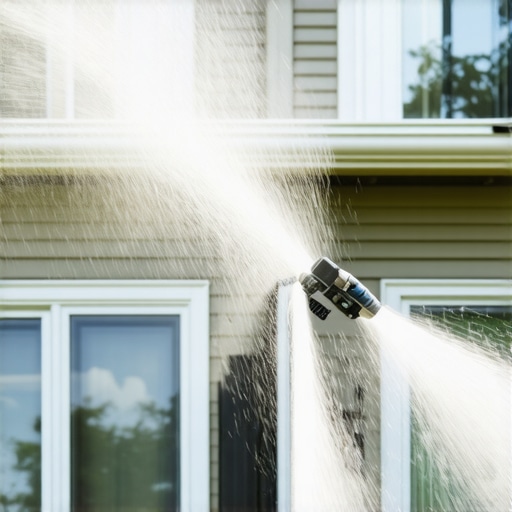
I remember the first time I tried power washing my home myself. I was eager to see that fresh, crisp shine, but instead, I ended up with streaks, uneven patches, and a lingering cloud of doubt about whether I’d actually done it right. It was a frustrating experience that taught me a crucial lesson: Power washing isn’t just about blasting away dirt; it’s about precision, technique, and knowing what works for your home’s unique exterior.
Why Consistency in Power Washing Matters More Than You Think
In my early days, I made the mistake of rushing through the process, thinking that more pressure or more soap would do the trick. Spoiler alert: it doesn’t. When you rush, you risk damaging your siding, stripping paint, or leaving behind water spots that ruin your home’s curb appeal. The real secret to long-lasting, reliable results is understanding the importance of consistency and using proven strategies that protect your home and enhance its beauty. If you’ve ever faced uneven cleaning or streaks after a power wash, you’re not alone. Trust me, I’ve been there, and I know how discouraging it can be.
Is Power Washing Actually Worth the Hype?
Many homeowners wonder if all the fuss about power washing is justified. Honestly, it is—when done right. Power washing can dramatically boost your home’s curb appeal, prevent long-term damage caused by mold and grime, and even increase property value. But it’s crucial to use the right techniques and equipment. I learned this the hard way early on, when I underestimated the significance of proper pressure settings and cleaning solutions. That mistake cost me time, money, and a lot of frustration. Thankfully, I found some effective methods that work—and I’m eager to share them with you. For a comprehensive guide, check out these reliable power washing tips.
Now, if you’re tired of inconsistent results or worried about damaging your home, don’t worry. The next sections will walk you through the practical steps to achieve trustworthy, long-lasting results that you can be proud of. Ready to transform your home exterior with confidence? Let’s dive in!
Prep Your Equipment and Environment Carefully
Start by inspecting your power washer, ensuring it’s in good condition and set to the appropriate pressure for your siding type—usually between 1,500 and 2,500 PSI. I once rushed this step and ended up with streaks on my vinyl siding because I used too high pressure. To avoid this, I tested on a small, inconspicuous area first, adjusting the pressure until I found the sweet spot that cleans without damage. Additionally, clear the area of furniture, plants, and delicate decorations, and cover nearby plants with plastic sheeting. This preparation step is crucial because it sets the stage for a controlled, effective cleaning process that yields trustworthy results.
Use the Right Cleaning Solutions
Choosing the correct cleaning solution is key. For most residential exteriors, a mild detergent or a specialized siding cleaner works best. I learned this firsthand when I tried using harsh chemicals, which caused discoloration. Always dilute your cleaning agent as recommended by the manufacturer, and consider applying it with a low-pressure spray to loosen dirt and grime. Let it sit for 5-10 minutes, but don’t let it dry out. This initial step ensures a more thorough cleaning and reduces the need for excessive scrubbing, ultimately delivering reliable, long-lasting results.
Master the Technique of Consistent Motion
Think of power washing like painting with a roller—consistent, overlapping strokes produce an even finish. I remember once rushing through a session, moving the wand too quickly, which left streaks and uneven patches. Instead, I moved the spray wand in a steady, overlapping pattern, maintaining about 12 inches from the surface. Keep the nozzle at a consistent angle—usually 45 degrees—to avoid stripping paint or damaging siding. Moving too slowly can cause water intrusion, while moving too fast leaves dirt behind. Practicing this steady motion is essential for trust-inspiring, dependable results that last over time.
Choose the Correct Nozzle and Pressure
Using the right nozzle—typically a 25 or 40-degree spray tip—is vital. I once used a 0-degree (pointed) nozzle, thinking it would clean faster, but I ended up etching my concrete and damaging the siding. For most residential cleaning, a wider spray pattern is safer and more effective. Adjust the pressure to match the surface: lower pressure for softer materials like vinyl and higher for brick or concrete. This tailored approach prevents damage and guarantees consistent results that homeowners can trust.
Rinse and Inspect for Quality
After applying the cleaning solution and rinsing thoroughly, step back and inspect your work. I once missed a patch on my siding because I was eager to finish, but a quick walk-around revealed streaks. Rinsing from top to bottom ensures no soap residue is left behind, which could cause streaks or spots. Use a fan or a gentle spray to dry the surface, and check for any missed spots. This final inspection helps you catch and correct errors early, ensuring your cleaning is not only reliable but also durable.
By combining proper preparation, appropriate solutions, steady technique, and careful inspection, you turn power washing into a precise art. These steps, rooted in real experience, will help you achieve trustworthy, long-lasting results that enhance your home’s appearance and value. For even more detailed techniques, explore these reliable power washing tips.
Many homeowners approach power washing with good intentions, but there are several misconceptions that can lead to damaging results or ineffective cleaning. Let’s dig deeper into what most people get wrong about power washing and how understanding these nuances can save you time, money, and frustration.
Myth: More Pressure Means Better Cleaning
It’s a common belief that cranking up the pressure will clean faster and more thoroughly. In reality, excessive pressure can strip paint, etch concrete, or damage soft siding materials like vinyl and wood. The key is to use the correct PSI for your surface—often between 1,500 and 2,500 PSI—and adjust based on material softness. Trust me, using the right pressure is crucial for long-lasting, trustworthy results. For detailed guidance, check out these proven strategies.
Beware the Oops Moment: Neglecting Surface Prep
Skipping preparation or rushing through it is a trap many fall into. Failing to cover plants, cover nearby surfaces, or inspect equipment can cause water intrusion, chemical damage, or even fire hazards. I once overlooked prepping my delicate shrubbery and ended up with brown patches. Remember, a little time spent on prep ensures consistent, reliable results. It’s worth the extra effort to avoid costly repairs later. For tips, see these essential prep techniques.
Advanced Question: How to Prevent Water Intrusion During Power Washing?
Water intrusion is one of the most subtle yet damaging issues during power washing. It can lead to mold, rot, or structural compromise if not addressed properly. The expert approach involves maintaining the correct nozzle angle—about 45 degrees—and keeping a steady, controlled motion to avoid forcing water into vulnerable seams or joints. Using lower pressure around windows, doors, and soffits also minimizes risk. According to industry standards, proper technique and equipment calibration are your best defenses against water damage. For comprehensive advice, explore these advanced tips.
Understanding these hidden nuances is essential to mastering power washing. It’s not just about blasting dirt away; it’s about precision, technique, and awareness of potential pitfalls. Have you ever fallen into this trap? Let me know in the comments, and stay tuned for more expert insights to keep your home exterior shining!
Keep Your Equipment in Top Shape for Reliable Power Washing
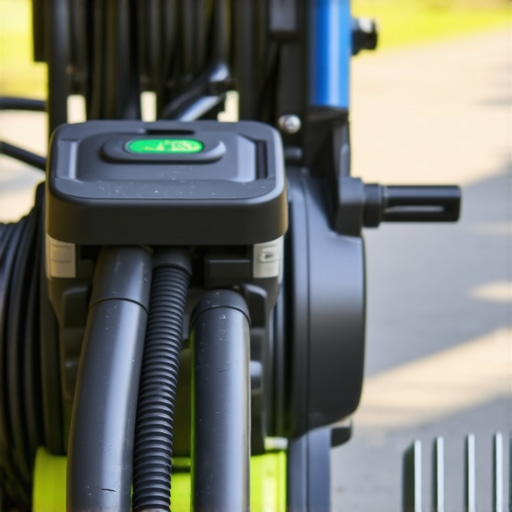
Investing in quality tools is the first step toward achieving trustworthy, long-lasting results. I personally rely on a professional-grade pressure washer with adjustable PSI, as it offers the versatility needed for different surfaces. Regular maintenance of this equipment, such as inspecting hoses for leaks, cleaning filters, and replacing worn nozzles, ensures consistent performance and prevents costly repairs down the line. A well-maintained power washer not only extends its lifespan but also guarantees that each cleaning session produces reliable results, saving you time and frustration.
Tools I Recommend to Elevate Your Power Washing Game
One tool I swear by is a surface cleaner attachment. It helps deliver even coverage without streaks, especially on large flat surfaces like driveways or decks. I use a model with a rotating brush and splash guard, which minimizes overspray and enhances control. For delicate sidings, a turbo nozzle with a lower PSI setting provides precise cleaning without risking damage. Additionally, a high-quality extension wand allows me to reach gutters or second-story windows safely and effectively, reducing the need for ladders and making the process safer and more efficient.
How do I maintain my power washing tools over time?
Proper maintenance is key to keeping your tools functioning optimally. After each use, I rinse out the nozzle and inspect it for clogs or wear. Applying a lubricant to moving parts prevents rust and ensures smooth operation. Storing the equipment in a dry, sheltered space protects it from the elements and extends its lifespan. Periodically, I replace worn-out hoses and nozzles, following manufacturer guidelines, to maintain consistent pressure and cleaning quality. Following these simple steps can significantly enhance the durability and reliability of your tools, ensuring they continue to deliver trust-inspiring results over the years. For more detailed advice, visit this guide on power washing maintenance.
Looking Ahead: The Future of Power Washing Tools
As technology advances, we can expect smarter, more durable equipment with integrated sensors to monitor performance and alert users to maintenance needs. Eco-friendly cleaning solutions and energy-efficient motors will become standard, making power washing more sustainable. Embracing these innovations now can help you stay ahead, ensuring your tools remain reliable and effective for years to come. So, I encourage you to invest in quality attachments and commit to regular maintenance—these are the foundations of trustworthy, long-term power washing success.
In my journey with power washing, I learned that the most valuable lessons often come from mistakes and surprises. Here are some insights I wish I had known sooner, which can help you avoid common pitfalls and achieve reliable, lasting results for your home exterior.
The Hardest Lesson I Learned About Power Washing
One of the toughest lessons was realizing that more pressure isn’t always better. I used to crank up the PSI thinking it would clean faster, only to find I damaged my siding and left streaks. Now I know that understanding your surface and adjusting the pressure accordingly is crucial for trustworthy results. The correct PSI and technique protect your home while delivering a deep clean that endures.
3 Myths About Power Washing That Held Me Back
For years, I believed that power washing was a quick fix for any grime problem. Turns out, rushing or skipping prep can cause water intrusion or uneven cleaning. The truth is, patience, proper surface prep, and using the right tools are what make power washing reliable and safe. Don’t fall for the myth that speed equals quality—trust proven strategies instead.
What Experts Won’t Tell You About Power Washing
Many professionals emphasize equipment maintenance and technique, but the real secret is consistent practice and attention to detail. Regularly inspecting your nozzles, hoses, and adjusting your technique based on the surface makes all the difference in achieving long-lasting trust-inspiring results. It’s about the small, mindful steps that ensure your home looks great and stays protected over time.
Where to Go from Here
If you’re eager to elevate your power washing skills, I recommend exploring these reliable power washing tips. They build on my experience and will help you develop a confident, effective approach to your home’s exterior cleaning.
Your Turn to Shine
Power washing isn’t just about cleaning; it’s about caring for your home with trust and precision. With the right knowledge and tools, you can achieve results that last, boost your curb appeal, and protect your investment. Ready to take your power washing to the next level? Share your experiences or questions below—let’s learn together!