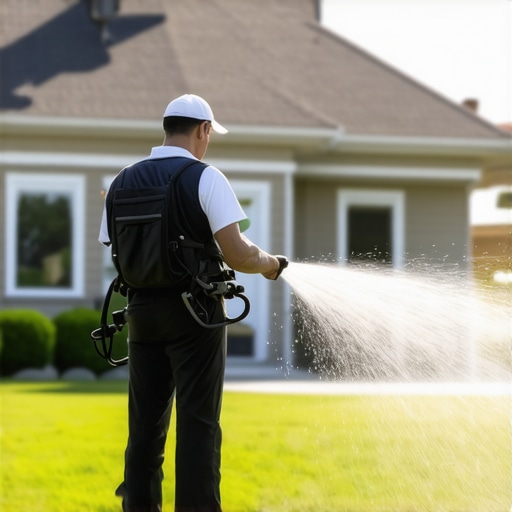
I remember the moment clearly. I was standing in my driveway, looking at my once-pristine home now covered in stubborn dirt and grime. No matter how many times I scrubbed or used generic cleaning solutions, the stains just wouldn’t budge. It was a frustrating realization that my efforts weren’t enough — until I discovered the power of the right power washing techniques. That lightbulb moment transformed my approach and, ultimately, my home’s curb appeal.
Why Power Washing Matters More Than Ever in 2024
In today’s competitive real estate market, first impressions matter immensely. A clean, well-maintained exterior not only boosts your home’s visual appeal but also builds trust with visitors and potential buyers. Power washing plays a crucial role here. According to industry experts, a professionally cleaned home can increase its value by up to 5% — a significant boost in today’s market. It’s not just about aesthetics; it’s about safeguarding your property’s integrity and enhancing trustworthiness.
Have You Faced This Specific Problem?
If you’ve ever felt overwhelmed by the buildup of dirt, mold, or algae on your home’s exterior, you’re not alone. I used to think a hose was enough to keep things clean. Turns out, without the proper techniques, you’re only scratching the surface. And making mistakes early on, like using the wrong pressure settings or neglecting surface-specific cleaning methods, can do more harm than good. To avoid this, I learned that mastering the correct power washing strategies is essential for lasting results.
Start with the Right Equipment and Settings
My first step was to invest in a quality pressure washer, understanding that not all machines are created equal. I chose a model with adjustable pressure settings, which is crucial because different surfaces require different levels of force. For instance, a delicate wooden deck needs a gentle touch, while concrete driveways can handle higher pressure. Always start with the lowest setting and gradually increase to avoid damage.
Tip: Use the correct nozzle tip
Using the right nozzle, like a 25-degree nozzle for general cleaning and a 15-degree for stubborn stains, makes a significant difference. I learned this the hard way when I used a narrow spray and caused some surface etching. For guidance, check out the detailed nozzle recommendations in the power washing techniques guide.
Prepare Your Surface Properly
Before spraying, I cleared loose debris, furniture, and plants from the area. I also wet down plants and delicate fixtures to protect them from overspray. Think of surface preparation as laying a protective blanket — it ensures that only the dirt and grime come off, not your property or the environment.
Apply Surface-Specific Cleaners
For mold, algae, or grease, I used surface-specific cleaning solutions. Applying these before power washing helps loosen stubborn stains, making rinsing more effective. For example, I used a biodegradable cleaner on my siding, which is gentler yet effective. For detailed instructions, refer to the ultimate power washing guide.
Master the Spray Technique
My breakthrough came when I learned to hold the nozzle at a consistent 45-degree angle, keeping the spray about 12 inches from the surface. I moved in smooth, overlapping strokes, much like painting a wall, to avoid streaks. This technique ensures even cleaning and prevents damage from local overexposure.
Use the Right Motion
Starting from the top and working downward prevents streaking and runoff. I remember tackling my house’s siding and noticing that the dirt washed away in a controlled manner, revealing a bright, uniform surface. For more detailed spray techniques, see proven power washing techniques.
Rinse and Inspect Thoroughly
After applying the cleaner and completing the first pass, I switched to a higher-pressure rinse, ensuring no soap or residue was left behind. Inspection is key—if some stains persist, I repeated the process on those areas. This step guarantees a thorough cleaning and a lasting shine, similar to a professional finish.
Final Touches
For delicate surfaces like wood or painted surfaces, I used lower pressure and avoided direct hits. It’s like giving your home a gentle spa treatment—effective yet gentle. Always refer to surface-specific advice in the power washing safety tips.
Uncovering the Nuances Behind Power Washing
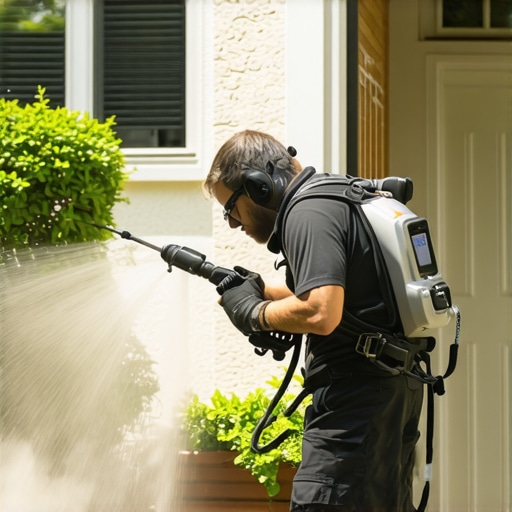
Many homeowners operate under misconceptions that can lead to costly mistakes or subpar results. One prevalent myth is that higher pressure always equals better cleaning. In reality, exceeding recommended PSI levels can damage surfaces like wood or siding, leading to costly repairs. Industry experts emphasize adjusting pressure settings based on surface type, which is crucial for effective and safe cleaning. For instance, delicate surfaces such as painted wood require lower pressure, often around 500-700 PSI, to prevent etching or peeling. You can learn more about surface-specific pressure adjustments in the power washing techniques guide.
What are the advanced nuances that can make or break your power washing results?
One often overlooked aspect is the importance of proper nozzle selection and spray angle. Many assume that any nozzle will do, but using the wrong nozzle can either be ineffective or cause surface damage. For example, a 25-degree nozzle provides a wider spray suitable for general cleaning, while a 15-degree nozzle delivers a more focused stream ideal for stubborn stains. Additionally, understanding the importance of maintaining the correct distance—about 12 inches from the surface—ensures even cleaning without risking etching or gouging. Experts suggest that mastering these finer points can significantly improve your results, as detailed in the expert results article.
Common Mistakes and How to Avoid Them
A typical mistake is neglecting surface preparation. Skipping this step can leave dirt and grime entrenched, requiring more aggressive cleaning that risks damage. Always pre-wet plants and delicate fixtures, and use surface-specific cleaners to loosen stubborn stains. Another trap is rushing the rinse phase; thorough rinsing ensures no soap residue remains, which could cause streaking or surface deterioration over time. Remember, patience and attention to detail are key, as highlighted in the ultimate guide to power washing.
Have you ever fallen into this trap? Let me know in the comments!
Keeping your power washing equipment in top shape is critical for achieving consistent, reliable results over time. Proper maintenance not only extends the lifespan of your tools but also ensures that each cleaning session delivers maximum efficiency. I’ve found that a few dedicated practices and the right tools make all the difference in maintaining your power washing setup and scaling your efforts as your needs grow.
Invest in Quality Equipment and Regular Maintenance
My first recommendation is to invest in a high-quality pressure washer with adjustable settings. Brands like Simpson and Honda are known for durability and performance, especially if you plan to use your equipment frequently. Regularly inspecting hoses, nozzles, and connections for wear and tear prevents unexpected breakdowns. I make it a habit to flush out the system after each use to remove debris and prevent clogging, which can compromise pressure accuracy and surface safety.
Use the Right Attachments and Supplies
Choosing the appropriate nozzle tips is essential for maintaining surface integrity and achieving optimal cleaning. For example, I rely on a 25-degree nozzle for general cleaning and switch to a 15-degree for stubborn stains. Maintaining these tools involves cleaning the nozzles with a needle or compressed air to prevent blockages. Additionally, using biodegradable cleaners compatible with your surfaces helps preserve your equipment and environment while delivering better long-term results.
Tools for Long-Term Results and Scaling
As your projects grow, consider upgrading to accessories like surface cleaners or extension wands. Surface cleaners help distribute pressure evenly on large flat surfaces, reducing cleaning time and minimizing surface damage. I personally use a rotary surface cleaner that significantly improves efficiency and results. Furthermore, investing in a water filtration system can prevent mineral buildup inside your pump, extending its life and maintaining optimal pressure output.
How do I maintain my power washing tools over time?
Regular maintenance is the key. This includes changing oil as recommended by the manufacturer, inspecting and replacing worn parts, and storing equipment in a dry, protected space. Additionally, using a pump saver or antifreeze solution during off-seasons prevents internal corrosion and freezing damage. For detailed maintenance routines, I highly recommend consulting trusted guides like the ultimate power washing guide.
To streamline this process, I suggest setting a maintenance schedule and keeping a log of inspections and repairs. This proactive approach ensures your tools remain reliable, saving you money and frustration in the long run. For advanced users, consider investing in an automatic chemical injector, which maintains consistent cleaning solutions and enhances efficiency during larger projects.
Remember, the effort you put into maintaining your equipment directly correlates with the quality of your results. Try incorporating a routine check of your nozzles and hoses before each use — a simple step that prevents bigger issues down the line. Over time, these habits will help you scale your projects confidently, ensuring your power washing setup delivers trustworthy, long-lasting results.
The Hardest Lesson I Learned About Power Washing
One of my most eye-opening realizations was understanding that more pressure isn’t always better. Using excessively high PSI can damage delicate surfaces like wood and siding, leading to costly repairs. Learning to adjust the pressure based on surface type was a game-changer, and it taught me to respect the nuances of power washing.
3 Myths About Power Washing That Held Me Back
For years, I believed that a wider spray meant better cleaning, which isn’t always true. The truth is, nozzle selection and spray angle are critical. A narrower nozzle can focus the cleaning power on stubborn stains without harming surfaces. Dispelling these myths helped me achieve professional-quality results at home.
What Experts Won’t Tell You About Power Washing
Many professionals overlook surface preparation, but I found that pre-wetting plants and applying surface-specific cleaners are essential for a thorough clean. Skipping this step can leave dirt entrenched, requiring harsher methods that risk damage. Mastering this overlooked nuance elevated my cleaning game significantly.