Last year, I nearly ruined my driveway with one careless power washing session. I was eager to get that fresh, clean look for spring, but I overlooked a simple step—just one tiny detail—and my concrete developed ugly etchings. It was a lightbulb moment for me. I realized many homeowners jump into power washing without proper prep, risking costly damage and disappointing results.
Why Proper Powerwasher Maintenance Before Spring Matters
As the seasons change, so does the need to give our homes a good, thorough clean. But before you fire up that powerwasher, taking a few extra minutes to prep can save you from future headaches. If you skip these critical steps, you might end up with streaks, damage, or even worse—shortening your equipment’s lifespan. Ensuring your pressure washer is in peak condition isn’t just about aesthetics; it’s about protecting your investments and making sure your cleaning results last.
Is All the Hype About Powerwasher Maintenance Actually Worth It?
Honestly, I once thought, “How hard can it be?” I believed I could just turn it on and blast away. But making that mistake early on was a costly lesson. Proper maintenance and prep aren’t just buzzwords—they directly impact your results and equipment durability. If you’re wondering whether these steps are necessary, consider this: a study from Power Wash Expertz shows that improper use and neglect are the leading causes of damage and subpar cleaning outcomes. Trust me, a little prep goes a long way.
So, what are these critical steps? How can you ensure your powerwasher is ready to deliver reliable, trustworthy results this spring? That’s what I’ll cover next. But first, let’s talk about a common mistake many make—so you can avoid it from the start.
Inspect and Prepare Your Equipment
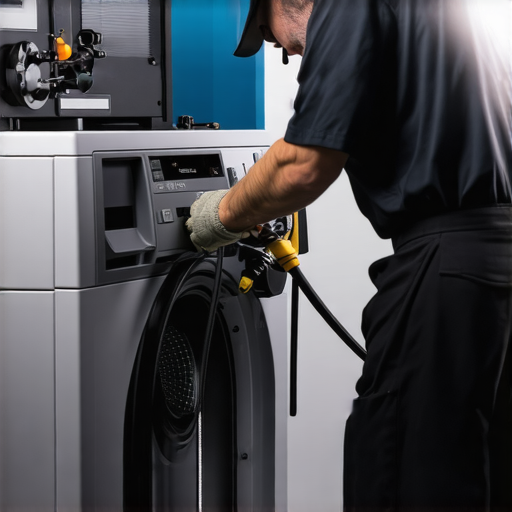
Before tackling your home’s exterior, check your power washer for any signs of wear or leaks. Disconnect hoses and attach the appropriate nozzle—generally a 25-degree tip for general cleaning. I recall a time when I overlooked this step; the nozzle was clogged, causing inconsistent pressure, which led to uneven cleaning. Performing a quick inspection ensures your equipment operates smoothly, much like tuning an instrument before a concert.
Check for Necessary Repairs and Clean Filters
Remove and clean the water filter, and replace any worn-out parts. Think of it as sharpening your tools before beginning a project—sharp tools make the job easier and safer. Neglecting this step can result in reduced pressure and potential damage to surfaces. For more detailed insights, you might want to review proven techniques to maintain your pressure washer and prolong its lifespan.
Clear the Area and Protect Surroundings
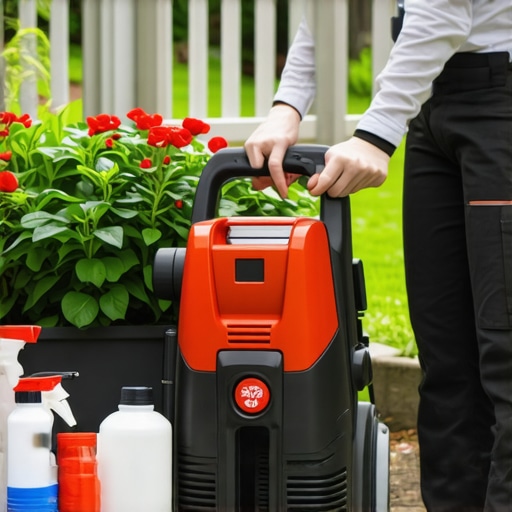
Move garden furniture, potted plants, and décor away from the area to be cleaned. Cover delicate plants and electrical outlets with plastic sheets to prevent water damage. I learned the hard way when I missed covering a sprinkler, leading to a short in the system. Covering nearby items prevents unnecessary mess and damage, ensuring a smooth cleaning process.
Remove or Cover Windows and Fixtures
Apply painter’s tape over windows, lights, and vents. This simple step shields glass and fixtures from potential splashes or damage. During my first big project, I didn’t tape windows, resulting in stubborn water spots that took hours to clean. Taking this precaution saves you time and preserves your home’s aesthetic.
Test and Adjust Pressure Settings
Start the power washer on a low-pressure setting and test on a discreet area. Increase pressure gradually, ensuring surfaces aren’t damaged. I once set the pressure too high on my siding, causing visible scratches. Testing prevents costly mistakes and guarantees you don’t overdo it, similar to adjusting the flame on a gas stove before cooking.
Understand Surface Sensitivities
Learn which materials need gentle cleaning versus those that can handle more force. For example, wood decks can be damaged by high pressure, while concrete withstands tougher blasts. Use softer nozzles or lower pressure for delicate surfaces; this attention to detail preserves your home’s integrity, much like a surgeon handling fragile tissue.
Use Proper Technique for Cleanup
Begin spraying from the top down, maintaining about 12 inches distance from the surface. Keep the nozzle moving in smooth, overlapping strokes to avoid streaks. I remember standing too close and causing splatter, which took extra time to clean up. Proper technique ensures even cleaning and prevents accidents, similar to using a broom correctly to sweep a floor efficiently.
Avoid Common Mistakes
Resist the temptation to angle the spray upward, which can force water into eaves or behind siding, leading to damage. Also, don’t aim directly at joints or weak spots. For more insights on avoiding pitfalls like these, consult trusted tips for reliable home exterior cleaning. These practices keep your project safe and effective, ensuring trustworthy results each time.
Post-Cower Cleaning and Maintenance
Once finished, flush the system with clean water, and store equipment in a dry, protected place. Regular maintenance, like inspecting hoses and replacing seals, extends your power washer’s life. I neglected this once, and a small leak turned into a costly repair—proof that good maintenance pays off. Keeping your equipment in top shape ensures consistent, impressive results every time you power wash.
Following these steps meticulously transforms a potentially risky process into a reliable, DIY-friendly task. Proper preparation and technique are the keys to trustworthy results, saving you money and preserving your home’s beauty for seasons to come.
While many homeowners jump into power washing believing they understand the basics, there’s a surprising amount of misinformation that can lead to costly mistakes. **One prevalent myth** is that higher pressure always means better cleaning. In truth, applying excessive pressure can damage surfaces like siding or softwood decks, causing long-term harm. Instead, understanding the nuanced approach—using the right pressure for each surface—is essential for trustworthy results. This is a nuanced skill that experts emphasize, as evidenced by guidance from Power Wash Expertz.
What Advanced Homeowners Get Wrong About Power Washing Pressure
Many seasoned DIYers make the mistake of pushing their equipment beyond safe limits when trying to speed up the job, but this often leads to surface etching or even water infiltration behind siding. A better strategy is to tailor the pressure to the material, employing lower PSI for delicate surfaces like stucco or aged wood, and higher PSI for tough concrete. Ignoring this nuance is one of the most common errors that even experienced homeowners fall into, leading to repair costs that could have been avoided. Check out this article for actionable insights on avoiding such mistakes.
Are All Detergents Created Equal?
Another myth is that simply blasting with water cleans everything thoroughly. In reality, integrating the right cleaning solutions, tailored to your surfaces, greatly enhances results and reduces the need for aggressive pressure. Using incorrect or overly harsh chemicals can strip paint, damage vegetation, or cause environmental harm. Advanced homeowners know the importance of selecting appropriate, eco-friendly detergents—something I learned after witnessing stubborn grime that only responsive, expert-approved solutions could handle effectively. To master this, consider reviewing proven techniques for reliable results.
Engaging with the nuances of power washing isn’t just about knowing the right pressure or chemicals; it’s about understanding how subtle choices impact long-term durability and appearance. Have you ever fallen into this trap? Let me know in the comments.
Investing in quality tools is essential for trustworthy power washing, but maintaining that equipment over time is equally critical. A well-maintained power washer not only lasts longer but also ensures consistent results that keep your home’s exterior looking pristine year after year.
Essential Tools for Power Washer Maintenance
First, I recommend keeping a set of high-quality wrenches and screwdrivers handy. Many issues like loose fittings or worn seals can be addressed quickly if you have these tools readily available. Additionally, a dedicated cleaning brush or cloth is invaluable for wiping down nozzles and filters, preventing build-up that can impede performance. For filters, I use a specialty degreasing solution that effectively dissolves mineral deposits, ensuring the flow remains unobstructed—this simple step can significantly prolong your equipment’s lifespan.
Another must-have is a storage starter kit that includes hose connectors, quick-connect adapters, and waterproof storage bags. Proper storage, especially in a dry, climate-controlled environment, prevents corrosion and mold growth, which could otherwise impair your power washer’s function. To streamline regular maintenance, I utilize a digital log app tailored for equipment care, setting reminders for filter replacements and routine checks—staying organized is key to long-term reliability.
Tools I Depend On for Long-Lasting Results
For nozzle maintenance, I rely on a set of precision tools that allow me to clean and change nozzles without damaging delicate parts. An ultrasonic cleaner is a game-changer for removing stubborn grime from spray tips, restoring optimal flow. Over the years, I’ve found that investing in adjustable pressure gauges—specifically calibrated for different surfaces—helps prevent damage, especially when switching between softwood decks and tough concrete.
In terms of software, I recommend using diagnostic apps compatible with modern pressure washers that can log usage patterns and alert you to potential issues before they escalate. These apps, like the ones discussed in this guide, emphasize that proactive care is the foundation of reliable equipment performance.
Future Trends in Power Washer Maintenance
Looking ahead, advancements in smart technology are poised to make maintenance even easier. Imagine pressure washers equipped with sensors that monitor wear and automatically recommend service intervals—reducing guesswork and ensuring longevity. As this technology develops, staying updated with innovations will be vital for homeowners aiming to keep their tools functioning at peak levels.
How do I keep my pressure washer working efficiently over time?
Regularly inspect and replace wear parts such as nozzles and seals, clean filters diligently, and store your equipment in a protected environment. Incorporating smart maintenance tools, like diagnostic apps, can alert you to issues before they cause breakdowns. Don’t forget to use specialized cleaning solutions for stubborn grime—this ensures your equipment remains in optimal condition, supporting trustworthy results that last. For detailed guidance, review this comprehensive guide and try out their expert tips on nozzle cleaning—it’s a small step that yields big benefits.
Lessons I Wish I Knew When I Started Power Washing
- One of the most eye-opening lessons was realizing that equipment maintenance is more than just keeping things clean—it’s about ensuring every component works harmoniously to produce trustworthy results. Neglecting small details like tightening fittings or inspecting nozzles can lead to big setbacks.
- I discovered that surface sensitivity knowledge is crucial. A gentle touch on softwood decks prevents costly repairs, while aggressive blasting on concrete saves time. Striking that perfect balance is a skill honed through experience and attention.
- The myth that high pressure always equals deep clean was shattered early on. Using the right pressure for each surface, combined with proper detergents, makes a noticeable difference in results and longevity.
- Investing in quality tools and staying organized with routine checklists transformed my approach from guesswork to confidence. A simple ultrasonic cleaner for nozzles or a digital maintenance log can elevate your power washing game.
- Finally, I learned that patience and preparation trump rushing into a project. Covering delicate fixtures and testing pressure settings before the main job prevent mistakes that could cost time and money.
Curated Gems for Power Washing Enthusiasts
- Trustworthy Techniques Guide: For anyone serious about reliable results, this comprehensive resource (trustworthy power washing techniques) offers the foundation needed to master the craft.
- Pro Tools That Make a Difference: My essential toolkit includes high-quality nozzles and ultrasonic cleaners, which ensure consistent performance and extend equipment lifespan. These tools are game-changers for achieving lasting trust in your results.
- Smart Maintenance Apps: Using diagnostic software helps predict wear and schedule timely repairs, much like tuning a musical instrument—small adjustments prevent big failures.
- Educational Resources and Books: Engaging with expert-written guides (power washing results you can trust) deepens understanding and inspires best practices for lasting success.
Believe in Your Power Washing Journey
Embarking on your power washing adventure isn’t just about cleaning—it’s about crafting enduring trust in your skills and tools. Every careful step you take today builds the foundation for impressive results tomorrow. Remember, mastering the nuances of pressure, surface sensitivity, and equipment care transforms a simple task into a rewarding craft. So go ahead, get your gear ready, and start transforming your home’s exterior with confidence—you’ve got this! Do you have any power washing tips or experiences to share? Let me know below, and let’s learn together!
}
Reading this post really highlights how crucial proper maintenance is for power washers before tackling outdoor cleaning. I remember a few years back, I jumped straight into cleaning my deck without inspecting the nozzle or adjusting pressure, only to find that I had caused some minor wood splintering. Since then, I’ve learned the hard way that even small steps like checking for leaks or covering nearby plants make a big difference in better results and equipment longevity. It’s almost like preparing your tools before a big project—skipping routine checks can lead to costly repairs later. I also agree that understanding surface sensitivities is key; I once used high pressure on my wooden fence and ended up with some gouges that took months to repair. Has anyone found a good way to systematically memorize or track their maintenance routines? I’ve started using a digital log, which helps me stay organized and proactive. What’s been your biggest power washing mistake that you’ve learned from? Would love to hear other experiences or tips.