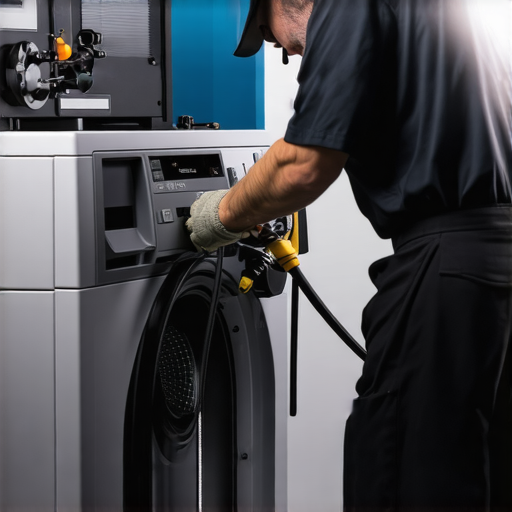

I vividly remember the first time I tried power washing my home—I ended up with streaks, uneven cleaning, and a feeling of utter frustration. It was a cold Saturday morning, and I thought I was doing everything right. Spoiler alert: I wasn’t. I learned that trusting the wrong techniques can turn a straightforward job into a costly mistake. That lightbulb moment taught me that trustworthy, proven power washing methods are essential for lasting results. If you’ve ever faced similar frustrations, you know exactly what I mean.
Why Reliable Power Washing Matters More Than Ever in 2025
In today’s world, we’re more invested than ever in the appearance and longevity of our homes. Power washing isn’t just about curb appeal; it’s about protecting your investment. Dirt, mold, algae, and grime accumulate faster than we realize, especially with changing weather patterns and pollution levels. According to recent studies, failing to maintain your exterior can lead to structural damage over time—costing thousands in repairs. That’s why mastering trustworthy power washing techniques is more crucial now than ever before. I’ve found that when done right, power washing can extend your home’s lifespan, boost its value, and give you that satisfying, shiny look everyone admires. Curious if your current methods are up to par? Let’s explore how to get it right.
Is Power Washing Actually Worth the Hype
Early on, I made the mistake of relying on a generic, one-size-fits-all approach, thinking more pressure was better. Big mistake. I learned the hard way that using too much pressure can damage siding or paint, leading to costly repairs. Trustworthy techniques involve understanding the right pressure levels, appropriate cleaning solutions, and proper equipment handling. It’s not about brute force but precision and care. Want to avoid my mistake? Check out my recommended strategies in the ultimate guide that breaks down proven methods for lasting results. Trust me, a little knowledge goes a long way in achieving that impeccable shine without risking damage. Ready to learn how to power wash with confidence? Let’s dive into the practical steps that will transform your approach and give your home the care it deserves in 2025.
Prepare Your Equipment Properly for Reliable Results
My first attempt to power wash my driveway ended with uneven streaks because I overlooked equipment calibration. To avoid repeating my mistake, start by inspecting your pressure washer. Ensure the nozzle tip matches the recommended pressure for your surface—too high, and you risk damage; too low, and cleaning efficiency drops. Test spray on a small, inconspicuous area first to gauge the spray pattern and pressure. Using a surface cleaner attachment can make the job more uniform and reduce the risk of damage. Remember, trustworthy power washing begins with the right tools and proper setup.
Choose the Right Cleaning Solutions
Once I realized that using generic cleaning solutions failed to remove thick mold, I switched to specialized detergents designed for home exteriors. Select environmentally friendly, biodegradable cleaners compatible with your surfaces. For sidings and decks, use low-alkaline solutions to prevent paint damage. Apply the cleaner with a low-pressure spray, working from bottom to top to prevent streaks. Let it sit for 5-10 minutes—never let it dry out—and then rinse thoroughly with high pressure. This method ensures a deep clean that lasts, aligning with trusted techniques.
Master the Technique of Proper Spray Angles and Distances
During my second attempt, I learned that holding the nozzle too close causes surface etching, while too far reduces cleaning power. Keep the nozzle at a consistent distance—about 12-18 inches from the surface. Use a sweeping motion, overlapping each pass slightly, similar to mowing a lawn, to avoid uneven patches. For stubborn stains, increase the pressure gradually, but never point the nozzle directly at joints or edges. This controlled approach ensures thorough cleaning without risking damage, a core principle in power washing for trustworthy results.
Control Pressure for Different Surfaces
When I tackled my wooden deck, I used a lower pressure setting—around 500-600 PSI—to prevent splintering or warping. For concrete patios, I increased to 3000 PSI, but maintained a wider spray angle to disperse force. Adjust the pressure based on surface material: delicate sidings need gentle cleaning, while tough concrete can handle higher pressure. Always start with the lowest setting and increase as needed. This nuanced control is vital for reliable, lasting outcomes.
Implement a Systematic Approach to Rinse and Dry
After cleaning, I made sure to rinse thoroughly—any residue left can attract dirt, diminishing the longevity of the clean. Use a wide spray pattern for rinsing and move systematically from the top of the surface downward. For vertical surfaces, work from the bottom to the top to prevent streaks. Once rinsed, let the surface dry completely before inspecting. Proper rinsing and drying lock in the results and prevent streaking, aligning with the best practices outlined in trustworthy power washing techniques.
Regular Maintenance and Safety Precautions
Finally, I learned that regular maintenance of my equipment—cleaning filters, checking hoses—ensures consistent performance. Always wear safety gear: goggles, gloves, and sturdy shoes. Clear the area of children and pets before starting. Trustworthy power washing isn’t just about technique; it’s about safety and maintenance, too. These steps help you achieve a reliable, impressive finish every time, just like the experts recommend.
Many homeowners jump into power washing with the best intentions, but there are some pervasive misconceptions that can lead to costly mistakes or subpar results. Let’s dig deeper into what most people get wrong about trustworthy power washing techniques and how you can avoid falling into these traps.
Why Pressure Isn’t Always the Answer
It’s a common belief that cranking up the pressure on your washer will clean faster and better. In reality, this can damage your surfaces—especially sidings, wood decks, or delicate brickwork. The focus should be on using the right pressure levels and techniques, not just maximum PSI. Properly calibrated equipment combined with correct spray angles and distances will give you a more trustworthy, lasting clean. For an in-depth look at how to balance pressure and technique, check out my ultimate guide.
Cleaning Solutions Matter More Than You Think
Another myth is that all cleaning solutions are equal. Many assume that generic detergents will do the trick, but specialized, environmentally friendly cleaners designed for exterior surfaces perform better and help prevent damage. For example, using a low-alkaline formula on painted sidings and decks reduces the risk of peeling or warping. Applying the right solution at the proper dwell time ensures a deep, trustworthy clean that lasts longer. Want to master this aspect? Visit this resource for advanced tips.
Advanced Question: How Can You Avoid Surface Damage When Power Washing?
This is a crucial concern for seasoned DIYers and professionals alike. The key lies in understanding surface-specific techniques—such as adjusting pressure, spray angle, and distance—and knowing when to switch to softer methods. For instance, using a wider spray angle disperses force, reducing the risk of etching or splintering. Consulting trusted sources like this expert guide can help you develop a nuanced approach. Remember, rushing or applying a one-size-fits-all method can cause irreversible damage, so take your time and adapt your technique accordingly.
Have you ever fallen into this trap? Let me know in the comments. Mastering these nuanced aspects of power washing can make all the difference between a trustworthy, lasting shine and costly repairs down the line.
Keeping your power washing equipment running smoothly over time is key to achieving consistent, trustworthy results that last. In my experience, investing in quality tools and committing to regular maintenance not only extends the lifespan of your equipment but also ensures you get the most out of each job. Today, I want to share some specific tools I personally recommend and practical maintenance tips, so you can keep your power washing setup in top shape for years to come.
Choose the Right Pressure Washer and Accessories
First and foremost, selecting a reliable pressure washer is essential. I personally prefer units with adjustable PSI and GPM because they give me the flexibility to tailor the pressure to different surfaces, reducing the risk of damage. For example, I use a commercial-grade model with a variable pressure control for delicate sidings and a higher PSI setting for concrete driveways. Additionally, investing in quality nozzles—specifically a variable fan nozzle and a rotary surface cleaner—has saved me countless hours and improved my results. The surface cleaner, in particular, offers uniform coverage and minimizes streaks, which is why I recommend it for larger, flat surfaces. For a detailed overview, check out the ultimate guide.
Effective Maintenance Keeps Tools Reliable
To keep my equipment performing at its best, I follow a strict maintenance routine. After each use, I flush the system with clean water to remove dirt and debris. I also regularly inspect hoses and fittings for any signs of wear or leaks—replacing parts early prevents costly breakdowns. For the pump, I use a specialized pump protector to prevent corrosion and lubricate moving parts periodically. A well-maintained pressure washer not only lasts longer but also delivers consistent power, which is critical for trustworthy results. For more detailed tips, visit this resource.
Tools I Trust for Long-Term Success
Beyond the pressure washer itself, I rely on accessories like extension wands and quick-connect fittings. Extensions give me reach in hard-to-access areas, while quick-connect fittings save time switching between nozzles and attachments. For me, investing in durable, corrosion-resistant tools has paid off in reliability. I also use environmentally friendly cleaning solutions that require less aggressive pressure and minimize wear on my equipment—this is an important part of long-term maintenance and trustworthy results.
How do I maintain my tools over time?
Maintaining your power washing tools is straightforward but crucial. Regularly flush out your hoses and nozzles to prevent buildup, store your equipment in a dry, protected space, and perform periodic checks for corrosion or damage. Lubricate moving parts as recommended by the manufacturer, and replace worn-out nozzles immediately. Staying proactive with maintenance not only prolongs the life of your tools but also ensures you can consistently deliver reliable, high-quality results. If you want to learn more about how to keep your equipment in peak condition, I highly recommend reading this detailed guide.
For those serious about trustworthy power washing, I encourage you to try out a surface cleaner attachment combined with regular maintenance routines. It’s a game-changer for efficiency and quality. Remember, the right tools and consistent upkeep are the backbone of long-lasting, impressive results. Keep your equipment in top shape, and your home’s exterior will shine with trustworthiness and durability for years to come.
The Hardest Lesson I Learned About Power Washing
One of my biggest revelations came when I realized that more pressure doesn’t necessarily mean a better clean. I once tried to blast away dirt with maximum PSI, only to end up damaging my siding. It taught me that understanding surface-specific techniques and balancing pressure is essential for trustworthy results.
My Essential Toolkit for Power Washing Success
Over the years, I’ve come to rely on a few key tools that make my power washing more reliable and effective. A high-quality, adjustable pressure washer allows me to tailor my approach, while a surface cleaner attachment ensures even coverage. I trust these tools because they save me time and prevent costly mistakes, and you can explore similar options in my ultimate guide.
Embrace the Power of Consistency and Care
Trustworthy power washing isn’t just about the equipment—it’s about regular maintenance and a cautious approach. I’ve learned to inspect my tools regularly, flush out hoses, and store everything in a dry place. These small habits have helped me avoid unexpected breakdowns, ensuring I deliver reliable results every time. Remember, your home’s exterior deserves this consistent care for a long-lasting shine.
Don’t Wait for Damage to Show Up
The most inspiring part of mastering power washing is the confidence it gives me to protect my home. I now see it as a vital part of home maintenance, not just a quick cleaning. If you start implementing these techniques today, you’ll be surprised how much your home’s curb appeal and longevity improve. Trust in your process, and your home will thank you for it.
What’s Your Next Power Washing Challenge?
Have you ever struggled with choosing the right pressure level or cleaning solution? Share your experience below and let’s learn from each other’s journeys to trustworthy, lasting home shine!
Reading this reminded me of my initial struggles when I first started power washing my home’s siding. I underestimated the importance of proper technique and used too much pressure, which led to some paint peeling. Over time, I’ve realized that understanding the specifics of each surface is crucial for trustworthy results. For example, delicate sidings need a gentle touch, while concrete areas can handle higher PSI. One thing I’ve learned is to always start with the lowest pressure setting and gradually increase if necessary. This approach helps prevent damage and ensures a thorough cleaning.
I’m curious—how do others decide on the appropriate pressure for different surfaces? Do you rely on experience, manufacturer guidelines, or trial and error? I believe sharing these practical tips could really help DIYers avoid costly mistakes and achieve long-lasting results.
This post hits the nail on the head about the importance of proper technique in power washing. I remember trying to clean my concrete patio with too much pressure, which ended up etching the surface and causing more work to fix the damage. Now, I always start with a lower PSI and work my way up if needed. One thing I’ve found helpful is using a surface cleaner attachment; it distributes the pressure evenly and prevents streaking or etching, especially on larger flat surfaces. I’m curious, for those with brick or stucco exteriors, what pressure levels do you find safest? I’ve heard that delicate materials require even softer approaches, but I’d love to hear how others gauge the right balance. Also, using the right cleaning solutions has made a huge difference in how long the clean lasts, especially when tackling mold and algae buildup. Has anyone experimented with environmentally friendly solutions, and if so, what’s been your experience regarding effectiveness and surface safety? Thanks for all the tips—definitely a learning curve, but so satisfying when done right!