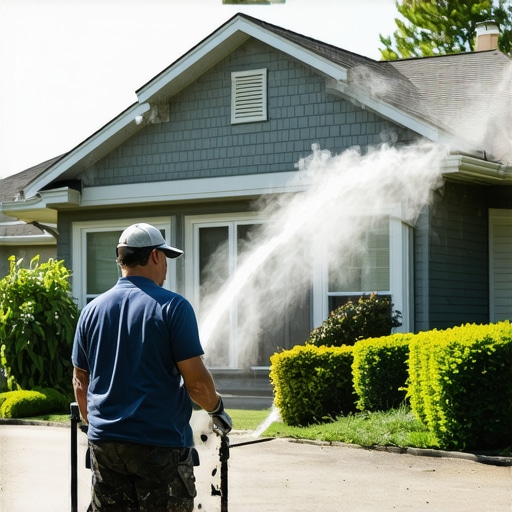
It was a muggy Saturday morning when I stepped out to see my once-vibrant home’s siding now marred by years of dirt, moss, and grime. Frustration crept in—every attempt at cleaning seemed futile. I remember thinking, “Is this really how my house is supposed to look?” That was my lightbulb moment. I realized I was approaching power washing all wrong, risking damage and wasting time. If you’ve ever been there, shoulder to shoulder with a stubborn, dull facade, you’re not alone. Many homeowners struggle with inconsistent results and wasted effort.
Why Reliable Power Washing Matters More Than Ever
Your home’s exterior is more than just an aesthetic matter; it’s a reflection of your home’s health and your investment. Dirty, algae-covered surfaces can cause long-term damage, leading to costly repairs down the line. Plus, with today’s busy schedules, nobody has patience for unreliable results that require repeated attempts. That’s why mastering dependable, lasting power washing techniques is essential—saving you time, money, and headaches.
Achieving that perfect, clean shine isn’t about just spraying water; it’s about using the right strategies that ensure durability and trustworthiness. When done correctly, power washing can restore your home’s curb appeal and even increase its value. But beware—making common mistakes early on can sabotage your efforts. I learned this firsthand and want to share my experience to help you avoid the pitfalls.
Is Power Washing Home Exteriors Worth the Effort?
Absolutely—but only if you approach it with the right knowledge. Early in my journey, I made the mistake of rushing into the job without understanding the proper techniques. That led to uneven cleaning and even damage to my siding. It’s a mistake I don’t want you to repeat. Trust me, when you invest in proven strategies, like those outlined on this resource, you’ll see results that last and boost your home’s appeal.
So, if you’re tired of inconsistent results and want your home to stand out for all the right reasons, keep reading. We’ll cover reliable methods that will make your power washing efforts successful—and reliable—for years to come.
Prepare Your Equipment and Space
Start by inspecting your power washer. Make sure the hoses, nozzles, and water supply are in good condition. Connect the equipment to a reliable water source, ensuring a steady flow to prevent pressure drops. Clear the area around your home, removing any obstacles, furniture, or delicate items that could be affected by overspray or debris. Wearing protective gear like goggles, gloves, and sturdy boots is essential—think of it as dressing for a muddy adventure, safeguarding yourself during the process.
Select the Right Nozzle and Settings
Choosing the appropriate nozzle is crucial. A 25-degree nozzle provides a wider spray suitable for general cleaning, while a 15-degree nozzle delivers a more focused, powerful jet ideal for stubborn grime. I remember adjusting the nozzle too aggressively initially, which caused some surface etching. Learning to switch nozzles based on surface material is like using the correct brush for a painting—precision yields the best results. For most home exteriors, starting with a lower pressure and gradually increasing ensures safety and effectiveness. For more detailed guidance, see reliable power wash techniques.
Apply the Detergent Effectively
Using a detergent designed for exterior cleaning enhances dirt and algae removal. Fill your detergent reservoir and use a low-pressure spray to apply the cleaning solution evenly across the surface. Let it sit for 5-10 minutes—this is where patience pays off, as rushing can lead to uneven cleaning. Think of it as marinating meat; the longer, the better to loosen grime. Always rinse from bottom to top to avoid streaking. Remember, a well-applied detergent acts as a trusted partner, setting the stage for lasting results. For proven strategies, visit trusted power washing techniques.
#IMAGE_PLACEHOLDER_B#
Master the Spray Technique
Hold the wand at a consistent distance—about 18-24 inches from the surface. Use steady, overlapping strokes, similar to mowing a lawn in straight lines; this prevents striping or missed spots. I recall trying to go too fast, which left streaks, much like skipping brush strokes in painting. Moving the wand smoothly and slowly ensures even coverage and minimizes surface damage. Use a lower pressure setting for delicate areas like wood or siding, and switch to higher pressure for concrete or brick, following the guidance on reliable strategies. Adjust your angle and distance based on surface sensitivity to maximize safety and efficacy.
Target Stubborn Areas with Precision
For stubborn dirt or moss, focus on small sections with controlled, direct spray—imagine using a magnifying glass to focus sunlight. Keep the nozzle at the recommended safe distance to prevent surface damage. Moving too close can gouge or etch the surface, especially on soft materials. Remember, patience and control outperform brute force. Once you complete each section, step back and assess your work, ensuring uniform cleanliness. For expert tips, see proven methods for cleaning.
Final Rinse and Post-Cleaning Checks
Conclude by rinsing thoroughly from top to bottom, removing any remaining detergent or residue. Use a lower pressure to avoid forcing water into gaps or seams—think of it as gentle wind cleaning your sunglasses. After rinsing, inspect for missed spots or streaks, touching up as needed. Dry surfaces if necessary to prevent streaks or watermarks, especially on glass or polished surfaces. Consistent follow-through establishes the habit of trustworthy, lasting results, turning your cleaning into a dependable routine rather than a one-off job. For additional insights, explore trustworthy cleaning tips.Many homeowners believe that simply aiming a high-powered stream at their home’s exterior guarantees a spotless, long-lasting clean. However, this oversimplification can lead to frostier results, surface damage, or even safety hazards. One pervasive myth is that more pressure always equals better cleaning. In reality, excessive pressure can etch, gouge, or strip delicate surfaces like siding or wood, causing irreversible harm. Instead, understanding nuanced pressure settings tailored for materials is crucial; for example, soft washing techniques excel with softer surfaces to prevent damage. A common mistake is neglecting the importance of proper nozzle selection—using a focused jet on a large, flat surface can be ineffective and wasteful; a wider spray distributes pressure evenly, ensuring more efficient cleaning. Fellow DIY enthusiasts often underestimate the importance of surface preparation, such as removing plants, covering electrical outlets, or assessing the material’s condition beforehand, which can prevent costly repairs or accidents.
What Advanced Techniques Prevent Surface Damage During Power Washing?
For seasoned homeowners looking to elevate their power washing skills, mastering technique nuances is key. This involves maintaining a consistent wand distance, usually around 18-24 inches, and using overlapping strokes similar to painting—this ensures uniform coverage and minimizes streaking. Moreover, adjusting the spray angle—keeping the nozzle at a 45-degree tilt—helps break dirt loose without forcing water into seams or under roofing shingles, prolonging the lifespan of your exterior surfaces. According to the experts at Power Wash Expertz, employing low-pressure rinses after heavy-duty cleaning can flush away residual dirt and detergent, sealing the surface’s cleanliness and integrity.
Beware of the trap of using high pressure on fragile materials like stucco or aged wood; this can cause chipping or caking that appears clean initially but deteriorates over time. To avoid mishaps, always perform a test on a small, inconspicuous area before proceeding. Remember, patience and technique trump brute force. If you’re eager for tried-and-true methods, exploring reliable strategies on trusted power washing techniques can give you the confidence to execute the job safely and effectively.
Have you ever fallen into this trap? Let me know in the comments.
Keeping Your Power Washing Equipment in Peak Condition
To ensure consistent, trustworthy results, regular maintenance of your power washing tools is non-negotiable. I personally schedule a comprehensive check after every few uses, paying close attention to the pump seals, hoses, and nozzles. For example, I found that replacing worn-out O-rings prevents pressure drops and prolongs the lifespan of my machine. Draining residual water after use prevents rust and freezing damage, especially during colder months. Using manufacturer-recommended lubricants on moving parts also helps maintain optimal performance. Investing in a good routine not only extends equipment longevity but guarantees your power wash results stay reliable season after season.
Why Choosing the Right Nozzle and Accessories Matters
Having a versatile set of nozzles tailored to different surfaces is essential. My go-to is a 25-degree nozzle for siding and a 15-degree for stubborn stains. I personally prefer branded nozzles made from durable materials like stainless steel, which resist wear and maintain accurate spray angles longer. Additionally, employing a surface cleaner attachment for large flat surfaces improves efficiency and uniformity—saving time while protecting delicate surfaces. As technology advances, tools like variable pressure nozzles that automatically adjust to surface sensitivity are predicted to become standard, further improving safety and consistency. To stay ahead, I recommend exploring trusted recommendations like those at this resource.
How do I maintain long-term results during power washing?
Consistent application of proper techniques and regular equipment upkeep are the pillars of lasting power washing success. I advise always inspecting your nozzle for wear before each job—worn nozzles can cause uneven pressure and surface damage. Using specialized detergents designed for your surface type, and applying them correctly as explained on trusted power washing techniques, ensures lasting cleanliness. Moreover, adopting smart storage practices like drying hoses and storing equipment in a climate-controlled space prevents deterioration. Predicting future trends, the integration of smart maintenance sensors and auto-diagnostic tools will likely make long-term upkeep more intuitive and less time-consuming, according to industry forecasts.
Scaling Up Your Power Washing Business
If you’re considering expanding your power washing services, investing in commercial-grade equipment is a good first step. Heavy-duty pressure washers with higher PSI and GPM ratings allow you to tackle larger projects efficiently. Professional-grade surface cleaners and advanced nozzles also improve output quality and reduce labor time. I personally recommend upgrading gradually, starting with attachments that enhance versatility, such as rotating nozzles and extension wands. Developing a maintenance schedule becomes more critical at this scale, ensuring your equipment’s reliability and customer satisfaction. Staying updated with innovations and adopting proven strategies from seasoned professionals, like those outlined at trusted techniques, positions you for sustainable growth.
What I Wish I Knew Before My First Power Wash
The hardest lesson I learned about power washing was the importance of patience over brute force. I once believed cranking up the pressure would quickly restore my home’s charm, but I ended up damaging delicate siding. It taught me that understanding material sensitivity is crucial, a tip I now swear by. Another insight was mastering nozzle selection; using the correct spray angle makes all the difference in achieving a lasting shine. Finally, I realized that quality equipment maintenance isn’t just about longevity—it’s about consistent, dependable results that I can trust every time I start the job.
Tools That Elevated My Power Washing Game
My essential toolkit includes a set of stainless steel nozzles ranging from 25 to 15 degrees, allowing me to tailor pressure and spray strength for different surfaces. I trust the surface cleaner attachment for large flat areas—it saves time and provides an even finish. The best upgrade I made was investing in a commercial-grade pressure washer, which handles larger jobs effortlessly while maintaining reliability. Additionally, a good water filtration system ensures my equipment stays in top shape, so I recommend exploring reliable power washing equipment sources to find tools that fit your needs.
Embracing the Challenge and Looking Ahead
Taking charge of your home’s exterior cleaning with power washing can be daunting, but remember—every expert started as a beginner. With the right techniques, patience, and tools, you’ll see not just cleaner surfaces but a renewed confidence in your home maintenance skills. The future of power washing is bright, with innovations like smart nozzles and eco-friendly detergents on the horizon. So, gather your gear, stay curious, and start transforming your home—the results will speak volumes, and your satisfaction will be well worth the effort.
What’s been your biggest breakthrough or challenge in power washing? Share your story below—I’d love to hear how you’re making your home shine!