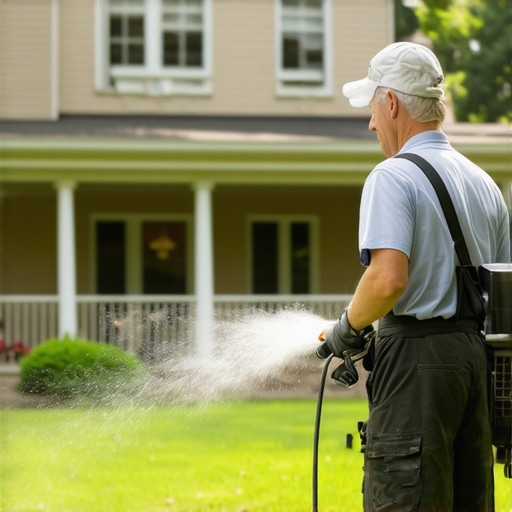
One weekend, I looked out my window and cringed. My home’s once bright and welcoming exterior was now shadowed by stubborn stains, grime, and mold. I realized I’d been neglecting something crucial—power washing. That lightbulb moment made me wonder: why do so many homeowners overlook the importance of proper power washing, and what’s the secret to doing it right without risking damage? The truth is, a good power wash can do wonders for your home’s appearance and trustworthiness, but only if you know the right techniques.
Why Your Home Deserves a Trusted Power Wash
Trust me, I’ve learned the hard way—initially, I tried to tackle my home’s exterior with a borrowed pressure washer on a whim. The result? streaks, chipped paint, and a lot of frustration. It’s tempting to think you can just blast away dirt, but there’s an art to it. Properly executed, power washing not only boosts curb appeal but also protects your investment, preventing long-term damage from mold and grime. According to experts, regular exterior cleaning can extend the lifespan of your siding and paint, saving you thousands in repairs. If you’re tired of hiding your house behind a layer of dirt and are ready to restore its shine, you’re in the right place.
Is Power Washing Actually Worth the Hype?
Many skeptics wonder if power washing is just a shiny trend or a real home improvement tool. I was one of them—until I realized that rushing into it without proper knowledge can lead to costly mistakes. Early on, I used too high a pressure setting, which chipped my siding. That mistake taught me that safe, effective techniques are essential. For trusted results, understanding the nuances of pressure, nozzle choice, and cleaning solutions is key. Want to see a transformation? Check out this guide for proven methods that deliver long-lasting curb appeal.
Select the Right Equipment and Prepare Properly
My first attempt at power washing was a disaster because I used a borrowed machine without checking its specifications. It was like trying to cut a steak with a butter knife—ineffective and messy. To avoid this, always choose a pressure washer suitable for your home’s exterior. For siding, a machine with adjustable pressure between 1,300 to 1,800 PSI works well. Before starting, clear the area of outdoor furniture, plants, and loose debris. Cover delicate shrubs with plastic sheeting and seal any electrical outlets to prevent water intrusion. Proper preparation is the foundation of a trustworthy cleaning process.
Master the Nozzle and Pressure Settings
Using the right nozzle is crucial for controlled cleaning. I initially used a 0-degree nozzle, which is like a laser beam—dangerous for siding. Instead, opt for a 25- to 40-degree nozzle for general cleaning; these provide a wide spray that is powerful enough to remove dirt yet gentle enough to prevent damage. Adjust the pressure to a safe level—usually around 1,500 PSI for siding—and test on a small, inconspicuous area first. This step is like tuning a guitar string—precision ensures a harmonious finish without straining the surface.
Maintain the Correct Distance and Motion
One mistake I made was holding the nozzle too close, which resulted in chipped paint. Keep the nozzle at least 12 inches away from the surface—think of it as maintaining a respectful distance during a conversation. Use smooth, overlapping strokes, moving the wand in a consistent side-to-side motion. Avoid staying in one spot for more than a few seconds. This technique is akin to painting—steady, controlled movements produce a uniform, trustworthy clean that enhances curb appeal.
Apply Cleaning Solutions Effectively
For stubborn stains or mold, a cleaning solution is your best friend. Mix a mild detergent or specialized siding cleaner according to the manufacturer’s instructions. Use a low-pressure nozzle to apply it, allowing the solution to soak in for 5-10 minutes. I once tried to skip this step, but the dirt stubbornly refused to budge. Applying the solution evenly and letting it act is like giving your home a deep breath—refreshing and restorative. Rinse thoroughly with a higher-pressure setting, working from the top down to prevent streaks.
Rinse and Inspect, Then Repeat if Needed
Thorough rinsing is essential for a professional, trustworthy finish. Use a wider spray pattern and gradually increase pressure if necessary, but never exceed safe limits. After rinsing, inspect for missed spots or uneven patches. Sometimes, a second pass is needed—think of it as polishing a gem. Don’t rush this step; patience ensures your home’s exterior looks bright, clean, and trustworthy, boosting its curb appeal. For more detailed strategies, explore this trusted guide on effective techniques.
Let’s dig deeper into some nuanced truths about power washing that many homeowners overlook. While the basics are straightforward, the devil is in the details, and understanding these subtleties can save you from costly mistakes or ineffective results.
Why Most People Overlook Surface-Specific Techniques
Many assume that a one-size-fits-all approach works for every surface—be it vinyl siding, brick, or wood. However, different materials demand tailored pressure settings and cleaning solutions. For example, soft washing with a lower PSI is crucial for delicate surfaces like painted wood or stained decks. Ignoring this can lead to paint peeling or wood splintering. Professionals recommend adjusting your technique based on the surface, and you can learn more about this in this detailed guide.
Beware of the Myth That Higher Pressure Means Better Cleaning
It’s a common misconception that cranking up the pressure will remove dirt faster. In reality, excessive pressure risks damage—chipping paint, gouging siding, or forcing water into undesired areas. Trustworthy results come from a balanced approach, using the right nozzle and pressure for each surface. This nuance is often missed by DIYers eager for quick fixes. For advanced techniques on setting the right pressure, check out this expert resource.
How Advanced Equipment Can Be a Double-Edged Sword
While high-end, commercial-grade power washers can deliver superior results, they also carry a higher risk of damage if used improperly. Many homeowners assume that renting or owning a powerful machine guarantees a perfect clean. But without proper knowledge of nozzle selection, pressure adjustment, and surface preparation, you might end up with a severely damaged exterior. The key is to use advanced equipment responsibly and understand its capabilities—a point often underestimated. For trusted advice on selecting and using professional-grade tools, see this trusted technique guide.
Is There a Hidden Danger in Missed Rinsing?
Many forget that thorough rinsing is just as important as applying cleaning solutions. Residual soap or dirt can cause streaks, mold regrowth, or even attract more dirt. Skipping or rushing this step can undermine your entire effort. A trustworthy cleaning process involves multiple rinses and visual inspections—think of it as polishing a gem. Advanced homeowners often use a dual-stage rinse for best results, which you can learn more about in this comprehensive resource.
Keeping your power washing equipment in top shape is crucial for achieving consistently trustworthy results and extending the lifespan of your tools. Over the years, I’ve refined my maintenance routine and discovered specific tools that make a significant difference in performance and reliability. Whether you’re a DIY enthusiast or a professional, understanding these essentials can save you time, money, and frustration.
Invest in a Quality Pressure Washer
The backbone of effective power washing is a reliable pressure washer. I personally recommend models with adjustable PSI ranging from 1,300 to 2,500, depending on your project. Brands like Simpson and Karcher offer durable machines with variable pressure settings and easy-to-replace parts. Investing in a high-quality unit ensures you don’t have to contend with frequent breakdowns, and it allows for more precise control, protecting your surfaces while delivering the cleaning power you need.
Use the Right Nozzles and Keep Them Clean
One of my favorite tools is a set of high-quality, color-coded nozzles. I always keep a variety on hand—25°, 40°, and soap nozzles—each suited for different surfaces and tasks. Regularly inspecting and cleaning these nozzles with a small brush prevents clogging and maintains optimal spray patterns. A clogged nozzle can lead to uneven cleaning and even damage if high pressure is concentrated through a blocked opening. Remember, the nozzle’s condition directly correlates with trust-worthy results.
Maintain Hoses and Connectors
Hoses are often overlooked but are vital for consistent pressure and flow. I prefer reinforced hoses with quick-connect fittings for ease of use. After each session, I drain the hoses to prevent water stagnation, which can cause mold and deterioration. Using a hose reel helps prevent kinks and prolongs its lifespan. For connectors, I opt for brass fittings over plastic—they’re sturdier and more resistant to corrosion, ensuring long-term reliability.
Use Surface-Specific Cleaning Attachments
To maximize trustworthiness, I recommend investing in surface-specific attachments like turbo nozzles or surface cleaners. These specialized tools distribute water evenly and reduce the risk of damage, especially on delicate surfaces. For example, a surface cleaner attachment helps achieve uniform results on large driveways, saving time and enhancing trust in your work’s quality. These tools are a worthwhile investment for anyone serious about long-lasting, professional-grade results.
Implement a Routine Maintenance Schedule
Regularly checking and maintaining your equipment extends its life and ensures consistent trust in your results. I schedule bi-monthly inspections, cleaning filters, lubricating moving parts, and replacing worn nozzles or hoses. Additionally, I use a maintenance spray on metal parts to prevent rust. A detailed checklist, like the one outlined in this guide, helps me stay organized and proactive.
Predicting Future Trends in Power Washing
Looking ahead, I believe automation and smart technology will play a bigger role in maintaining trustworthiness. Automated cleaning systems with sensors and IoT integration could monitor pressure and flow rates in real-time, alerting users to issues before they escalate. Staying updated with these innovations will ensure your tools remain reliable and your results trustworthy.
How do I maintain my power washing tools over time?
The key to long-lasting equipment lies in routine care—regularly inspecting, cleaning, and replacing worn parts. Proper storage, such as keeping tools in a dry, covered space, prevents rust and damage. Additionally, using recommended lubricants and avoiding over-pressurizing your tools will keep them functioning reliably for years. Remember, a well-maintained machine is your best ally for trustworthy, lasting exterior results. For more advanced techniques on maintaining your equipment, explore this comprehensive guide. Now, try implementing one of these maintenance tips today and see how your results improve!
The Hardest Lesson I Learned About Power Washing
I once thought that more pressure meant cleaner surfaces, but I learned the hard way that this can cause damage. Understanding the delicate balance between pressure and surface type is crucial for trustworthy results.
Three Myths About Power Washing That Held Me Back
Believing that high PSI always equals better cleaning, or that any equipment will do, delayed my success. Real trustworthiness comes from surface-specific techniques and quality tools, not brute force.
What Experts Won’t Tell You About Power Washing
Many overlook the importance of proper surface prep and rinsing. These steps are vital for a long-lasting, trustworthy shine. Learning these nuances transformed my approach and results.
My Essential Toolkit for Power Washing
My trusted tools include adjustable PSI pressure washers, color-coded nozzles, and surface-specific attachments. These tools give me confidence that I won’t damage surfaces and will achieve a reliable clean.
Books That Changed How I View Power Washing
The comprehensive guide on trusted power washing techniques helped me understand surface materials and pressure settings. This knowledge is invaluable for anyone serious about long-lasting results.
Where to Go from Here
Invest in quality equipment, learn surface-specific techniques, and maintain your tools regularly. These steps will ensure your power washing efforts are trustworthy and durable. For detailed strategies, explore this trusted guide.
Your Turn to Try Power Washing with Confidence
Now that you know the secrets to trustworthy power washing, it’s your turn to give it a shot. Remember, patience and the right tools make all the difference in achieving lasting results. Are you ready to transform your home’s exterior with confidence? Let me know below!
This post hits on so many crucial points that I wish I knew earlier when I first started power washing my house. I completely agree about the importance of surface-specific techniques; I once used a pressure setting too high on my wood deck, which led to splintering. Now, I always do a patch test on a hidden area first, which saves a lot of headaches later. I think many DIY homeowners overlook how vital it is to adjust pressure and use the right nozzle for different surfaces—it’s not a one-size-fits-all approach. Also, equipment maintenance can’t be overstated; keeping nozzles clean and hoses in good condition makes such a noticeable difference in results. Have others found that investing in surface-specific attachments like turbo nozzles really speeds up the process without sacrificing safety? I’d love to hear more tips on efficient tools or techniques that have worked well for everyone for long-lasting trust in power washing outcomes.
Reading through this post brought back memories of my early days DIYing my home’s exterior. It’s undeniable how much surface-specific knowledge can make or break the job. I totally agree that a one-size-fits-all approach often leads to damage rather than trustworthiness. I used a high-pressure setting on my brick patio once, only to end up with chips and uneven patches, which was frustrating. Since then, I’ve learned to adapt pressure levels and nozzle choices depending on the material. A tip I found helpful was investing in a surface cleaner attachment, especially for large areas like driveways—it distributes water evenly and reduces the risk of gouging. Has anyone else had success with surface-specific gadgets to balance efficiency with safety? Also, maintenance of nozzles and hoses has been a game changer—cleaning and inspecting them regularly prevents clogs and uneven spray patterns, ensuring consistent results. I’d be interested to hear from others about their favorite tools and techniques that help maintain trustworthiness over time without sacrificing surface integrity. It’s really all about balancing power with finesse.
This post really resonated with me because I’ve experienced firsthand how improper pressure washing can backfire. A few months ago, I tried cleaning my wooden porch with a borrowed pressure washer, not realizing that the wrong nozzle and high pressure could cause splintering. Luckily, I paused and did some research, learning that soft washing and lower PSI are essential for delicate surfaces. It’s fascinating how much surface-specific techniques matter—what works for vinyl siding might destroy a stained deck. Managing equipment maintenance has also been a game changer for me; regular nozzle cleaning and inspecting hoses prevent clogs and uneven spray. Has anyone found that investing in surface-specific attachments like turbo nozzles helps streamline the process and ensures safety? Personally, I’ve started using surface cleaners on my driveway, which saves time and delivers a cleaner, more even finish. I’d love to hear from others about their go-to tools or tips for keeping their power washer in top shape while protecting surfaces. What’s been your biggest breakthrough in achieving trustworthy, long-lasting results?
This post really emphasizes the importance of understanding surface-specific techniques—not just for protecting materials but also for achieving consistent, trustworthy results. I recall a time when I used too much pressure on my stucco siding and ended up causing some cracking, which was a costly mistake. Since then, I’ve invested in a good surface cleaner attachment and learned to adjust pressure settings carefully. What’s been interesting for me is how small adjustments, like switching nozzles or maintaining equipment, can make such a difference in the outcome. I wonder, for those who handle multiple surfaces around their houses, do you find it helpful to have a set of quick-change nozzles ready to switch between different tasks? Also, managing equipment maintenance has really helped extend the lifespan of my tools and keep results reliable over time. I’d love to hear what specific surface-specific tools or methods others swear by for ensuring trustworthiness in their power washing projects.