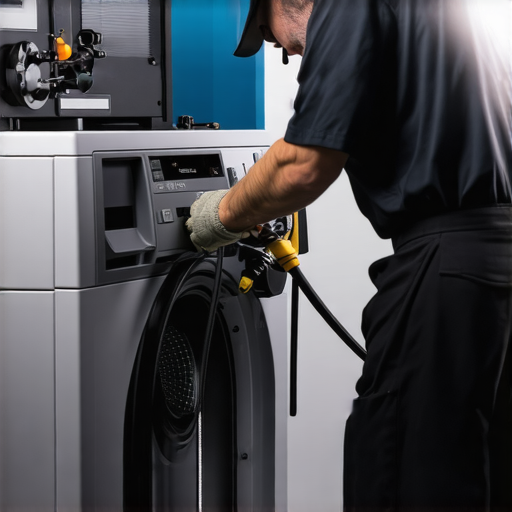
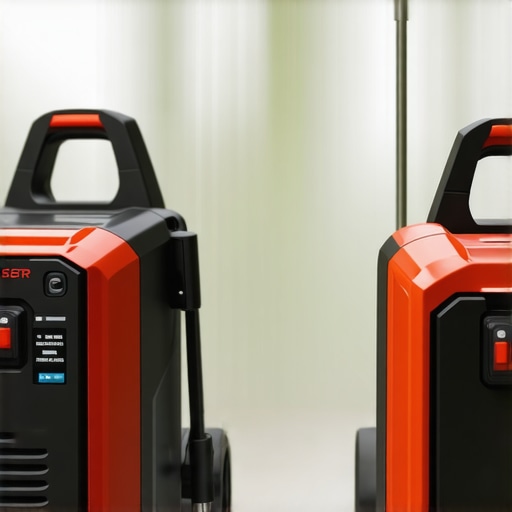
I remember the first time I tackled my driveway with my old gas-powered powerwasher. The engine roared like a beast, but after an hour of battling fumes, noise, and the constant worry of damaging my siding, I was left wondering: Is this really the best way to clean? That lightbulb moment kicked off my quest for more efficient, eco-friendly, and reliable powerwashing tools. And let me tell you, discovering the latest battery-powered models that outperform traditional gas units has been a game-changer for my home maintenance routine.
Why Upgrading to Modern Battery Powerwashers Is a Smart Move
In recent years, I’ve noticed a shift in the powerwashing world—more homeowners and professionals are ditching gas engines for battery-powered models. Why? Because advancements in battery tech now offer comparable—if not better—performance, with the added perks of quieter operation, less maintenance, and zero emissions. According to a recent industry report, the latest lithium-ion batteries can deliver over 2,000 charge cycles with minimal capacity loss, making them both economical and environmentally friendly.
What’s more, these newer models often come with innovative features like adjustable pressure controls and longer-lasting batteries, so you can tailor the cleaning process to your specific needs without sacrificing power or time. If you’ve faced the frustration of dragging a heavy gas generator or dealing with stale fumes after every project, this shift to battery power is worth exploring.
But are these new battery washers genuinely effective enough to replace your trusty gas engine? That’s the key question I’ll help answer today. And if you’re like me, you want to cut through the hype and find tools you can trust for long-lasting results. So, stay with me as I explore the top models, share real-world experiences, and help you make an informed decision that could transform your home exterior cleaning routine.
Thinking about tackling that stubborn driveway or exterior siding? Have you faced doubts about whether battery-powered is powerful enough? You’re not alone. I made the mistake early on of dismissing electric models because I assumed they wouldn’t hold up. But after trying a few, I learned that modern batteries deliver impressive performance—and I never looked back. For trusted techniques on achieving the best results, I recommend checking out [power washing expert tips](https://powerwashexpertz.com/power-washing-for-trusted-results-proven-techniques-for-lasting-home-shine).
Prepare Your Equipment and Environment
Before diving into the cleaning process, gather all necessary tools: a reliable battery-powered powerwasher, extension nozzles, safety gear, and cleaning solutions suitable for your home’s exterior. Clear the area of obstacles and ensure pets and children are safely away. This foundational step is like setting the stage for a performance—nothing should be overlooked to ensure efficiency and safety.
Inspect and Set Up Your Powerwasher
Check the battery charge—aim for a full or sufficient charge to avoid mid-job power loss. Attach the appropriate nozzle—typically a 25-40 degree for general cleaning. Securely connect the hose and test spray functionality on a small, inconspicuous area. Think of this as warming up your muscles; it prevents surprises and ensures equipment is functioning optimally.
Apply Cleaning Solution Correctly
Use a low-pressure method to apply a cleaning solution tailored for your surfaces—detergents designed for siding or driveways. Use a foam cannon if available for better coverage. Start from the bottom and work upwards to prevent streaks, much like shampooing hair in layers. Let the solution sit for 5-10 minutes, but do not let it dry—this loosens dirt and stains, making the rinse more effective.
Execute the Power Washing Technique
Switch to a higher-pressure nozzle and begin rinsing from the top down. Maintain a consistent distance—usually 12-18 inches from the surface—to avoid damage and uneven cleaning. Use a sweeping motion, overlapping each pass for even results. Remember, pressure is like a controlled punch—too much can gouge surfaces; too little won’t clean effectively. Personal experience taught me the importance of adjusting pressure for different surfaces, preventing damage while achieving a deep clean.
Target Stubborn Areas and Edges
For persistent grime or algae, make targeted passes with a narrower nozzle and slightly increase pressure. Focus on corners, edges, and textured surfaces, which tend to trap dirt the most. If you encounter tight spaces, use smaller nozzles or tools like a rotary brush attachment, which can significantly cut cleaning time—check out [7 power washer add-ons](https://powerwashexpertz.com/7-powerwasher-add-ons-that-cut-cleaning-time-in-half-2026) to optimize your workflow. Be cautious not to linger in one spot to prevent etching or gouging.
Finish with a Clean Rinse and Drying
Once surfaces look bright and clean, perform a final rinse with a low-pressure setting to remove residual detergent. This step seals the deal, ensuring no soap marks remain. If you’re aiming for a streak-free shine, consider using a clean microfiber cloth or squeegee on windows and flat surfaces. Patience in drying prevents water spots and promotes a polished look, which I learned from my messy but insightful early projects—sometimes better patience results in fewer touch-ups.
Post-Cower Safety and Maintenance
After completing your work, turn off the powerwasher, disconnect battery and accessories, and rinse out the equipment thoroughly. Store everything in a dry, safe place. Regular maintenance extends the lifespan of your powerwasher, much like car care. Also, inspect for any leaks or damage before your next project. Learning to care for your equipment is like nurturing a trusted tool—reliable power washing depends on it.
Many homeowners jump into power washing with enthusiasm but hold onto misconceptions that can lead to costly mistakes. One prevalent myth is that increasing the pressure always results in a cleaner surface. However, pressure isn’t the only factor—technique and nozzle selection are equally critical. For instance, using too high a pressure on delicate siding can cause damage, which is why trusted techniques recommend adjusting pressure settings based on material. For an in-depth guide on ensuring your method is safe and effective, check out trusted techniques for lasting exterior results. Another common misconception is that all grime requires the highest pressure. In reality, stubborn stains like algae or mold may respond better to specialized cleaning solutions, followed by gentle rinsing—avoiding damage and ensuring a thorough clean. Relying solely on brute force can gouge surfaces or strip protective coatings, reducing your home’s curb appeal in the long run. Moreover, many think that power washing is suitable for every surface without prior assessment. But some materials, such as certain wood decks or older paint, demand a softer touch or professional evaluation to prevent deterioration. Proper preparation is key; for expert tips on surface-specific strategies, consider techniques for lasting home shine. A critical nuance often overlooked involves the timing of power washing. Doing it during extreme weather—like when surfaces are hot or cold—can lead to streaking or uneven results. Optimal timing ensures detergents and rinsing work together harmoniously. It’s suggested that homeowners plan chores for moderate weather to achieve the best outcome. Have you ever fallen into this trap? Let me know in the comments. Remember, adopting a nuanced approach not only prolongs the life of your surfaces but also delivers the professional appearance you desire. For comprehensive insights on avoiding common pitfalls, review proven tips for trustworthy results.
Investing in high-quality power washing tools is just the beginning; maintaining them properly ensures they perform reliably season after season. Personally, I’ve found that a few dedicated routines and the right tools can extend the lifespan of my powerwasher significantly. Regular maintenance not only saves money but also guarantees consistent, professional results with every job. In this section, I’ll share the maintenance strategies and tools I rely on to keep my power washing setup working effectively over the long haul.
How do I maintain my power washer over time?
One of the most critical aspects of long-term maintenance is flushing out the system after each use. I always disconnect the battery or power source and run clean water through the pump and hoses to clear out residual grime or chemicals. Using a dedicated power washer cleaning kit—which includes nozzle brushes and maintenance solutions—has been invaluable for me. These kits allow me to clean filters, nozzles, and the pump assembly thoroughly, preventing clogs or corrosion that could hinder performance. Regular inspection of hoses and seals for wear or leaks also helps avert costly repairs down the line.
Another vital tool I recommend is a high-pressure water filter. This simple addition protects the pump from debris or sediment that might otherwise damage internal components. I make it a point to replace filters periodically, following the manufacturer’s recommendations, which typically involves a quick inspection and swap-out every few months during heavy use.
Proper storage is equally important. I store my power washer indoors in a dry, temperature-controlled space and drain residual water from the pump and hoses. Using a battery maintenance charger keeps the unit ready for the next project and prevents lengthy discharge cycles that degrade battery health. According to industry experts, consistent battery care can double the lifespan of lithium-ion power sources—something that pays off in the long run.
Looking ahead, advancements in smart diagnostic tools are beginning to make maintenance even easier. Some modern powerwashers now come with built-in sensors that alert you to potential issues before they become serious, akin to how a car’s dashboard warning lights work. As technology evolves, I predict more integrated systems that simplify upkeep and minimize downtime.
If you’re serious about long-term reliability, I highly recommend integrating a comprehensive maintenance routine that includes these tools and practices. Not only will it optimize your equipment’s performance, but it will also safeguard your investment over the years. For a detailed breakdown of proven maintenance protocols, check out this trusted guide to power washer upkeep. Start implementing these tips today, and watch your power washing results reach new heights while preserving your tools for future projects! 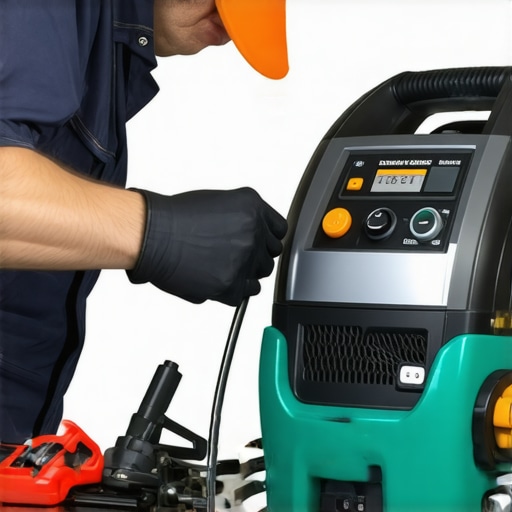
Lessons I Wish I Learned Before Picking Up the Powerwasher
One of the most valuable insights I gained is that patience and proper prep are the unsung heroes of effective power washing. Rushing the process often leads to damage or uneven results, a mistake I made early on. Additionally, understanding the nuances of nozzle selection and pressure settings tailored to each surface has saved me from costly repairs and improved my home’s curb appeal. Lastly, I discovered that investing in quality attachments and regular maintenance transforms a good power washer into a long-term reliable partner for my home care routine.
Tools and Resources That Transformed My Approach
My journey towards reliable and efficient cleaning was significantly impacted by a few trusted resources. The expert tips for improving your home exterior provided essential techniques that I now rely on. I swear by the power washer add-ons that streamline my workflow. For maintenance, the comprehensive maintenance guide keeps my equipment in top shape. These resources have been instrumental in ensuring consistent, quality results every time I power wash.
Keep Moving Forward, Your Home Will Thank You
Power washing is more than just a task; it’s a step toward maintaining and enhancing your home’s beauty. With the right tools, techniques, and a dash of patience, you’re capable of achieving professional-level results. Don’t be discouraged by early setbacks—every project offers a learning opportunity. Remember, the more you invest in understanding your equipment and surfaces, the more your home’s exterior will shine. Ready to take the next step? Share your power washing challenges below, and let’s elevate your home maintenance routine!