
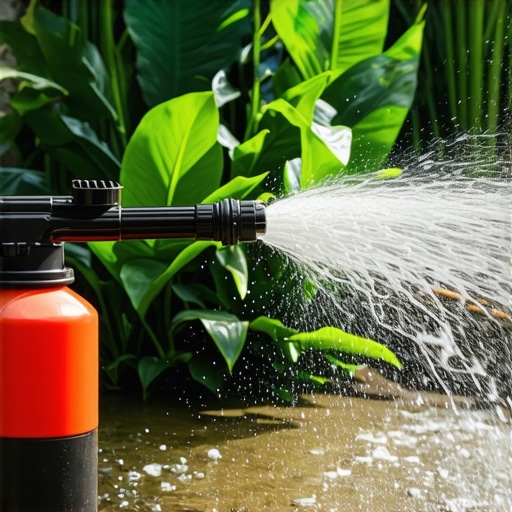
It was a bright Saturday morning when I finally decided to tackle the stubborn grime on my driveway. As I fired up my power washer, a sudden burst of water kicked up a spray that not only left my patio drenched but also threatened my beloved flower beds nearby. In that moment, I realized just how easy it is to damage your garden with the wrong cleaning techniques—it was a lightbulb moment for me. Ever since, I’ve been on a mission to discover eco-friendly powerwashing tactics that truly work without harming our outdoor spaces.
Why Eco-Friendly Power Washing Is a Game-Changer in 2026
With climate awareness booming and garden-based hobbies encompassing more people than ever, it’s crucial to adopt methods that protect rather than compromise our environment. Traditional power washing can be harsh—think of the high pressure and chemicals that often come with conventional cleaning. These can lead to erosion, damage to plants, and chemical runoff polluting our soil and water sources. The good news? There are eco-friendly powerwashing tactics that harness the power of technology and simple science to keep your home exterior spotless without risking your garden’s health.
In my early days, I made the mistake of using too high a pressure setting on my old power washer, thinking more force meant cleaner surfaces. Turns out, I was stripping away paint and damaging siding—an avoidable mistake that could have been prevented with proper techniques. Trust me, understanding how to clean effectively while protecting your plants and soil is a skill worth mastering. And that’s precisely what I want to share with you today.
Are Eco-Friendly Power Washing Techniques Really Worth the Hype?
It’s natural to wonder if these methods are just trendy fluff or genuinely effective. I used to dismiss eco-friendly practices thinking they might compromise cleanliness. However, I quickly learned that with the right tools and techniques, you don’t have to choose between a pristine home exterior and a healthy garden. The truth is, eco-conscious power washing can often save you time and money, especially in the long run, by preventing damage and extending the life of your surfaces. Curious? Keep reading, and I’ll guide you through proven methods that will help you keep your garden lush and your home sparkling.
Prep Your Power Washer Properly
Start by inspecting your power washer for any damage or leaks—think of it like giving your car a quick check before a long road trip. Remove any dirt or debris from the nozzle and hose, ensuring smooth operation. Adjust the pressure settings; don’t assume higher pressure equals better cleaning. For delicate surfaces, lower the PSI to prevent stripping paint or damaging siding. Remember, the right setup is the foundation for eco-friendly, effective cleaning. It’s similar to tuning a musical instrument—precision yields harmony. For detailed tips, check out these maintenance steps.
Choose Eco-Friendly Detergents
Opt for biodegradable, plant-based cleaning agents that effectively cut through grime without polluting your garden or waterways. Always dilute according to manufacturer instructions; overuse does more harm than good. Picture it as watering a plant—concentrated chemicals can harm roots, while proper dilution nourishes gently. I once tried a DIY mix with vinegar and baking soda, but it was a disaster—ineffective and messy. Stick with proven eco-friendly solutions like the ones highlighted here.
Master the Right Spray Technique
Hold the nozzle about 2 feet from the surface and keep it at a consistent angle—think of painting a wall evenly. Use wide, sweeping motions instead of focusing on one spot; this prevents damage and ensures even cleaning. I recall rushing through my first attempt, and the uneven spray caused streaks and missed spots. Slow, deliberate motions produce professional results. Implementing a pattern—start at the top and work downward—maximizes efficiency and avoids streaks. For an in-depth breakdown, consider these proven techniques.
Control Pressure to Protect Surfaces
Different materials demand different approaches. Siding: keep the nozzle at low pressure—around 1500 PSI—to avoid peeling paint. Brick or concrete: higher pressure (around 2500-3000 PSI) can be used carefully. Remember, it’s like using a garden hose versus a fire hydrant—know your limits. I once mistakenly used high pressure on my vinyl siding, causing peeling and expense. Using the correct pressure is key to lasting results. For specific surface recommendations, see these guidelines.
Focus on Water Conservation
Operate your power washer efficiently by adjusting the flow rate and pressure, reducing water waste. Use targeted spray patterns to concentrate water where needed—the same way a zoom lens focuses light. I learned this the hard way when I left the tap running while adjusting the nozzle, wasting gallons and wasting my time. Smart operation not only saves water but also extends your equipment’s lifespan. For advanced tips, visit these quiet models, which often feature water-saving innovations.
Rinse Thoroughly to Finalize the Clean
After applying eco-friendly detergents and scrubbing with appropriate pressure, rinse the entire surface with a clean stream of water. This step ensures no detergent residue remains—residue can attract dirt or harm plants. Use wider spray patterns for rinsing to cover larger areas quickly. I once missed this step, leaving soap on my deck, which then turned gray with dirt buildup. Proper rinsing is the finishing touch that ties everything together for a lasting shine. For more on ensuring reliable results, explore these trusted tips.While many assume that cranking up the pressure or using chemical cleaners guarantees a spotless exterior, this couldn’t be further from the truth. One prevalent misconception is that higher PSI always results in cleaner surfaces. In reality, excessive pressure can strip paint, damage siding, and harm delicate materials like wood or stucco—especially if you’re unaware of the specific requirements of each surface. For instance, I once used 3000 PSI on my vinyl siding, thinking it would accelerate cleaning, only to end up with peeling paint and costly repairs. Proper knowledge of pressure settings is crucial, and you can find expert guidance on this at these detailed tips.Another dangerous trap is relying solely on chemical detergents without understanding their impact on your garden and local waterways. Many assume biodegradable cleaners are always safe; however, improper dilution or runoff can still cause environmental damage. The key is to choose eco-friendly, biodegradable solutions and apply them correctly, following trusted recommendations from professionals who understand the chemistry behind effective yet safe cleaning methods. Explore trusted expert tips to master this balance. For advanced home owners, it’s vital to understand that water conservation isn’t just eco-friendly—it’s also cost-effective. Using the right nozzle and pressure, along with targeted spray techniques, can significantly reduce water wastage without compromising cleaning quality. Overlooking water efficiency can lead to higher utility bills and strain on local water supplies, especially during drought seasons. See these water-saving strategies for more insights. Now, here’s a crucial question for advanced enthusiasts: How can varying surface textures and materials influence your choice of pressure, detergents, and techniques? Understanding the nuanced differences among brick, wood, vinyl, and stucco can make the difference between a professional-looking finish and costly repairs. For example, softer wood requires gentle pressure and specific cleaners to avoid damage, whereas concrete tolerates higher PSI but still benefits from specialized techniques to prevent etching. I recommend reviewing these proven methods to adapt your approach effectively. Remember, rushing or applying a one-size-fits-all technique is a common mistake that leads to subpar results or damage. Instead, take the time to analyze your surfaces, select appropriate settings, and employ targeted, eco-friendly practices for spectacular, long-lasting results. Have you ever fallen into this trap? Let me know in the comments.
Keep Your Power Washing Equipment in Top Shape
To ensure consistent, reliable results, maintaining your power washer is crucial. Regularly inspect hoses, nozzles, and filters for wear and tear—think of it as giving your engine a health check before every big cleaning session. I personally recommend using proprietary nozzle cleaners to prevent clogs; these little tools save me hours of troubleshooting and keep my spray pattern even, ensuring eco-friendly and effective cleaning. According to industry experts, routine maintenance extends equipment lifespan and optimizes performance, leading to better long-term results. For detailed maintenance steps, visit this resource. When it comes to tools, a quality surface cleaner attachment can dramatically reduce cleaning time and improve surface uniformity—especially on large patios and driveways.
How do I maintain my power washing tools over time?
Adopting a systematic maintenance routine is the best way to keep your tools performing at their best. Draining your pressure hoses after each use prevents algae and mineral buildup. Applying a light lubricant on moving parts, like the wand swivel, reduces wear and prevents jamming. Additionally, storing your equipment in a dry, frost-free environment guards against rust and damage. I’ve learned that investing a few minutes regularly saves me from costly repairs and replacement. For an in-depth guide on tool preservation, check out this comprehensive article. Upgrading to a quieter, more efficient model—like those in this list—also makes long-term maintenance simpler because of streamlined parts and modern features.
Embrace Advanced Techniques for Better Results
Using accessories like turbo nozzles or foam cannons can elevate your cleaning process. I prefer a high-psi turbo nozzle for heavily stained concrete; it bites into grime without damaging the surface, thanks to precision engineering. To maximize efficiency, I incorporate chemical injection systems that mix eco-friendly detergents on-the-fly, cutting down on manual steps and chemical waste. Trend predictions suggest that future power washers might integrate smart sensors to automatically adjust pressure based on surface type, reducing user error and surface damage. Staying ahead means investing in tools with adaptive features now, like those in this article. I highly recommend trying the foam cannon technique—it’s a game-changer for detailed, eco-conscious cleaning. Not only does it boost cleaning power, but it also conserves water and chemicals. Remember, the right tools combined with proper techniques make all the difference in achieving that durable, professional shine you desire. Ready to enhance your power washing game? Start experimenting with accessories like turbo nozzles and see how they transform your results. And don’t forget—consistent maintenance is the backbone of long-term success.
The Hardest Lesson I Learned About Power Washing
Over time, I realized that more pressure isn’t always better. Using excessive PSI can damage surfaces and harm plants, leading to costly repairs. It’s essential to test pressure settings on a small area before tackling the entire surface, a lesson I learned the hard way when I damaged my siding with high PSI. Trusting your equipment and understanding each surface’s needs is key to achieving lasting results.
Three Myths About Power Washing That Held Me Back
- Myth 1: Higher pressure equals a cleaner surface. Reality: Proper technique and eco-friendly detergents matter more.
- Myth 2: Chemical cleaners are always harmful. Reality: When chosen carefully, biodegradable solutions can be safe and effective.
- Myth 3: Power washing ruins your home. Reality: With the right settings and techniques, it protects and extends your property’s lifespan.
What Experts Won’t Tell You About Power Washing
Many professionals know the importance of surface-specific techniques but don’t emphasize enough how eco-conscious methods can save you money and protect your garden. Investing in quality equipment, like quiet models with water-saving features, can make a huge difference. I’ve found that continuous learning and adopting new tools—like foam cannons or turbo nozzles—elevate the quality of my results beyond basic cleaning.
Curated Resources to Elevate Your Power Washing Game
- Trusted expert tips—my go-to for foundational knowledge and avoiding common mistakes.
- Proven techniques—helped me achieve professional-looking, lasting results.
- Reliable guides—ensure my equipment stays in top shape and my methods are effective.
Your Turn to Transform Your Approach to Power Washing
Embrace the power of eco-friendly techniques, and don’t be afraid to experiment with new tools and methods. Each project is an opportunity to learn and improve, ensuring your home looks its best while protecting your garden. Ready to take your power washing to the next level? Start small, stay consistent, and watch your outdoor spaces flourish.
What step will you try first to make your power washing more eco-friendly? Share your plans or questions below—I love hearing about your journey!
Reading this post really resonated with me, especially the part about adjusting pressure settings to avoid damage. I once used my power washer on a cloudy day without thinking about my delicate flower beds nearby. The spray was too harsh, and I ended up damaging a few plants before I realized what was happening. That taught me the importance of not only adjusting the pressure but also being mindful of the environment around what I’m cleaning. Power washing can be so effective, but I’ve learned that patience and proper technique are key to avoiding costly mistakes. I’m now a big proponent of eco-friendly detergents and water-saving tips—I find they make the process more sustainable and cost-effective in the long run. Do others have tips on how to protect garden areas during pressure washing? I’d love to hear your approaches to managing that delicate balance between a clean exterior and garden health.