
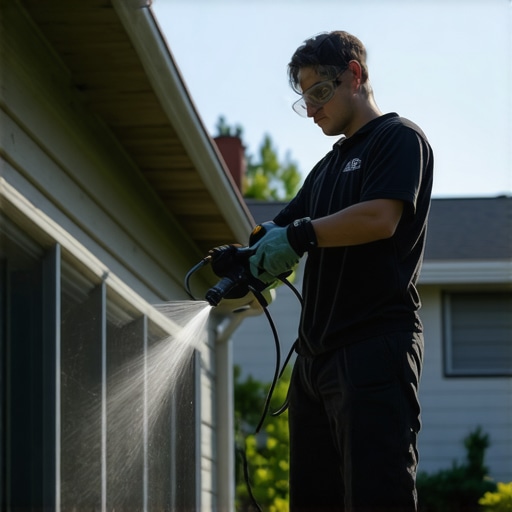
I remember the exact moment it hit me. I was standing on my driveway, wielding what I thought was a powerful power washer, only to see a faint streak appear along my vinyl siding—etched by a too-strong jet of water. That lightbulb moment revealed a harsh truth: more pressure isn’t always better. In fact, using high PSI without caution can harm your home’s exterior, causing damage that’s costly and time-consuming to fix.

Today, homeowners are eager to restore and maintain their home’s curb appeal. Power washing can be an excellent tool, but it’s a double-edged sword—it’s all about how you wield it. So, how do we balance effective cleaning with safety? That’s exactly what I’ll show you. In 2026, the trend is towards lower PSI techniques that deliver lasting results without risking your siding.
Why Less Pressure Means More Trust in Your Power Wash
Many beginners believe that cranking up the pressure translates to a cleaner home, but that’s a misconception. The truth is, high PSI can strip paint, fray delicate materials like vinyl, or even cause water intrusion. According to trusted sources, using gentle yet effective pressure is key to safe, reliable home exterior cleaning (trustworthy power washing techniques). My early mistake? I didn’t realize that an overly aggressive approach could lead to damage that wasn’t immediately visible.
Are you concerned about damaging your siding or decks? If so, you’re not alone. Many homeowners face the dilemma of wanting a clean look without the looming fear of costly repairs. This fear often keeps people from attempting power washing at all, or leads to underwhelming results.
By adopting low-PSI hacks, you can keep your home sparkling, safe, and well-maintained. Over the next sections, I’ll share tried-and-true methods that I’ve personally tested and refined, helping you avoid costly mistakes and achieve professional-level results with less risk. Ready to get your home looking its best? Let’s dive into the practical steps that will make all the difference.
Set Up Your Equipment for Success
As I discovered during a messy weekend project, choosing the right power washer settings is crucial. Start by selecting a model with adjustable pressure controls, ideally with a range between 1500 and 2000 PSI for siding and decks. Attach a quality, wide-angle nozzle—specifically a 25 or 40-degree spray tip—to disperse water evenly and reduce risk of damage. Ensure your garden hose is connected securely, and test your setup on a small, inconspicuous area before tackling the whole surface. This initial test confirms your equipment is functioning correctly and helps you fine-tune the pressure for different surfaces.
Choose the Correct Nozzle and Attachments
Using the wrong nozzle is like using a hammer for a screwdriver—ineffective and potentially damaging. Opt for a low-pressure, wide spray nozzle as your default. If stubborn grime persists, switch to a rotating or turbo nozzle, but only for specific areas and with utmost caution. Incorporate extension wands if needed to reach higher spots without leaning on ladders. Pro tip: Always start with the widest spray pattern to minimize force and gradually narrow as needed, maintaining control at all times.
Control the Water Stream for Precision
Think of your power washer as an extension of your arm—precision is key. Hold the wand firmly with two hands and keep a consistent distance of about 2 feet from the surface. Use steady, overlapping strokes to avoid streaks or missed spots. During my last project, I learned the hard way that rushing accelerates damage, so I moved slowly and deliberately. Keep spray angle shallow—around 45 degrees—aimed downward to lift dirt without forcing water into seams or vulnerable spots. This method aligns with trusted guidance on providing safe, reliable results (see recommended techniques).
Apply Moving, Controlled Passes
Rather than zooming over surfaces in a frenzy, adopt deliberate, controlled motions—like painting a wall with a roller. Start from the top and work downward, so dirt rinses off naturally. Each pass should overlap the previous slightly, ensuring even coverage without overexerting pressure in one spot. During a recent balcony refresh, I found this approach prevented water intrusion and associated damage, especially on older wood surfaces. Remember, the goal is to loosen dirt without stripping paint or fraying material—think gentle nudges rather than aggressive pushes.
Adjust Pressure Based on Testing
Never assume your initial settings are perfect. Always test on a small patch, observing if the surface withstands the water flow or shows signs of distress. If your siding starts to peel or your deck shows frays, dial down the PSI immediately. Regular testing and adjusting are invaluable to prevent damage, particularly on delicate materials like vinyl or aged wood. A simple observation—such as the formation of streaks or tiny cracks—indicates it’s time to lower pressure. This proactive approach embodies the essence of trustworthy power washing, ensuring lasting results (more tips here).
Conclusion of Action Steps
Mastering the art of low-pressure power washing hinges on careful setup, correct nozzle selection, precise control, deliberate movement, and constant testing. Remember, it’s a proven technique—aggressive pressure often leads to costly repairs. Focus on gentle, consistent application, and you’ll achieve professional-quality results that stand the test of time. As I learned through my early missteps, patience and attention to detail are your best tools for a safe, effective clean that preserves your home’s integrity.
Many homeowners believe that blasting their home’s exterior with maximum PSI guarantees a spotless clean, but this is a dangerous misconception. In reality, applying too much pressure can damage surfaces like vinyl siding or delicate wood decks, leading to costly repairs. Experts emphasize that understanding the nuances of pressure levels and nozzle selection is essential; trustworthy power washing techniques focus on the right balance, not raw force.
A prevalent trap is thinking that more cleaning chemicals or longer washing times compensate for insufficient pressure. However, overusing chemicals without proper technique and surface awareness can cause staining or corrosion, particularly if misapplied. Advanced power washing requires controlled, deliberate movements and correct equipment settings—things that many overlook.
Furthermore, a common myth is that power washing dries your home faster, but neglecting proper technique can leave streaks or water intrusion, especially in older materials. This can accelerate deterioration rather than prevent it. An often-neglected nuance is controlling water angle and distance—aiming downward and maintaining consistent pressure prevents embedding water into seams or causing future leaks. For detailed guidance, check out trusted residential methods.
What are the most overlooked aspects that determine safe, effective power washing?
The key is surface-specific adjustments—knowing when to reduce PSI, switch nozzles, or test in small areas before proceeding. This proactive approach, supported by scientific studies on material resilience, helps prevent damage. The idea that all surfaces can withstand the same treatment is yet another myth. For instance, stone, vinyl, and wood require different pressure settings. Remember, the goal is to clean thoroughly without harming the material, which demands expertise and experience. If you’re interested in mastering these nuances, explore proven techniques that focus on longevity and safety.
Have you ever fallen into this trap? Let me know in the comments.When it comes to maintaining a sparkling, damage-free home exterior, having the right tools is essential. I’ve tested a range of equipment over the years, and certain items consistently help me deliver professional results while protecting delicate surfaces. One must-have is a pressure washer with adjustable PSI, ideally between 1500 and 2000, ensuring you can fine-tune pressure based on surface type. My personal choice is the Simpson MS61043 MegaShot, valued for its reliable performance and easy-to-adjust controls, which enable me to switch between gentle siding washes and tougher driveway scrubbing without switching machines. Additionally, I rely on a set of high-quality nozzles—specifically, a 25-degree wide-angle for most tasks and a dedicated turbo nozzle for stubborn grime. Using the right nozzle reduces the risk of damage, a principle emphasized in power washing expert guides (trustworthy techniques). Besides the equipment, I recommend investing in extension wands—these extend your reach safely, especially when cleaning second-story windows or gutters, reducing ladder use and risk. For those seeking efficiency, consider a surface cleaner attachment, which boasts a spinning head that covers large areas uniformly, minimizing streaks and saving time. As trends evolve, I see a push towards battery-powered units for portability and eco-friendliness, with models like the Karcher KAP 1400 demonstrating impressive power without the fumes. For long-term maintenance, I always keep my equipment in top shape by regularly inspecting hoses for leaks, lubricating moving parts, and flushing out filters after heavy use. This preventive care extends the lifespan of my tools and ensures consistent performance. So, how do I maintain power washing gear over time? The key is routine checks—regularly cleaning filters, inspecting for wear, and storing equipment properly after each session—especially in winter to prevent freezing damage. For those eager to elevate their maintenance game, I recommend trying a surface cleaner attachment combined with a low PSI setting—this combo achieves professional-grade results while safeguarding your surfaces. To master this technique, review trusted guides and experiment cautiously, adjusting pressure and nozzles as needed (trustworthy results). Incorporating these tools and habits ensures your power washing remains effective, safe, and sustainable long-term, setting the stage for beautiful homes that last.
The Hidden Lessons That Changed My Power Wash Game
One of the most crucial lessons I learned was to never underestimate the power of patience and gradual adjustments. Rushing through a power washing project almost always leads to surface damage or streaky results. I once applied high pressure on a vinyl siding, only to see tiny cracks appear—an experience that pushed me to research and adopt a more cautious approach. I also discovered that surface-specific techniques, like testing PSI on inconspicuous spots, can save you from costly mistakes down the line. Lastly, understanding that equipment quality matters immensely, I’ve become a firm believer in investing in adjustable-pressure washers and versatile nozzles to tailor the pressure precisely to each surface’s needs.