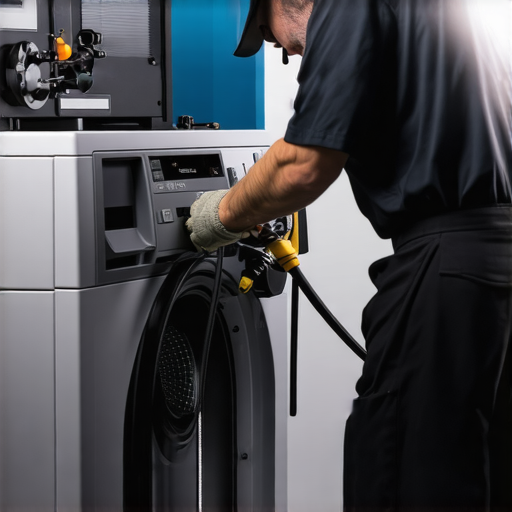
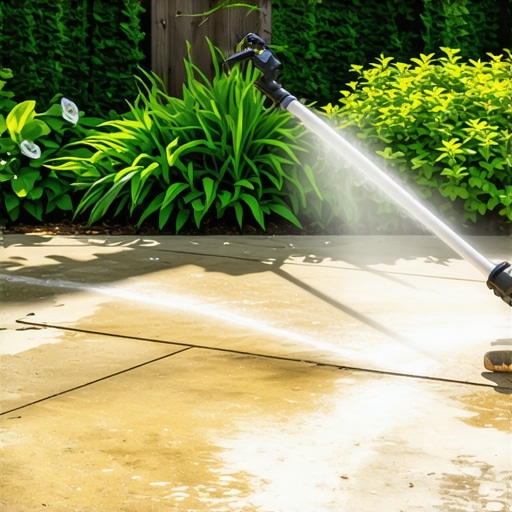
I vividly remember the moment I learned the hard way that not all power washing is created equal. I had my trusty pressure washer ready, arms determined, ready to make my patio look brand new. But within minutes, I saw unsightly streaks and even some chipped paint. It was a wake-up call. That unexpected damage? It could have been avoided with a little knowledge.
If you’re like I was, eager to boost your home’s curb appeal but worried about making costly mistakes, you’re in the right place. Today, I promise to share the essential pitfalls to avoid when power washing your home and patio in 2026. These aren’t just my opinions—they’re lessons gained from personal experience and backed by industry experts.
Why Cutting Corners Can Cost You Big Time

Many homeowners jump into power washing without fully understanding the equipment or techniques, thinking it’s a simple, quick fix. But skipping crucial steps can lead to damage, increased costs, and frustration. For instance, using an overly high PSI can strip paint or gouge delicate siding. Learning from my early blunders, I now always check my equipment settings and understand the specific needs of each surface. Proper technique and equipment are vital—proper maintenance can ensure your power washer doesn’t become a liability. Curious about what I use? I recommend exploring the best portable power washers that won’t burn out in 2026; trust me, they make a difference.
Is Power Washing Really Safe for Every Surface?
Initially, I thought I could blast away grime from every exterior surface with the same settings. Turns out, that was a big mistake. Every material reacts differently—vinyl siding, brick, wood decks—each requires a tailored approach. Using too much pressure or improper nozzles can cause irreversible damage. This lesson taught me to educate myself thoroughly before tackling each project—something I wish I’d done earlier. Want to learn about the safe techniques for various surfaces? Check out the best tactics for siding. Avoiding surface damage has saved me money and time in the long run.
So, if you’ve ever worried about causing harm to your home’s exterior or experienced streaking, you’re not alone. Power washing offers fantastic results, but only when done correctly. Let’s dive into the most common mistakes and how to dodge them, ensuring your exterior stays beautiful—and damage-free—this year and beyond.
Prep Your Equipment and Environment
Before turning on the power washer, clear the area of debris and sensitive objects. Inspect your equipment for damage or leaks by consulting the pump condition checklist. Attach the appropriate nozzle—usually a 25° or 40° nozzle for general cleaning—to prevent surface damage. Test the water flow and pressure on a hidden spot to ensure settings are safe. Remember, a well-prepared workspace reduces accidents and surface harm.
Select the Correct Power Washer and Nozzle
Choosing the right equipment is crucial. For example, a portable power washer with adjustable pressure settings and reliable components, like those listed on top portable power washers, can make your job smoother. Use a nozzle that matches your surface type; low-pressure nozzles for delicate siding and higher pressure for concrete. Avoid using the maximum PSI unless absolutely necessary to prevent damage, and consider models with features that prevent pulsing or inconsistent flow, detailed in pulsing engine fixes.
Apply the Cleaning Solution Effectively
For greasy or stained surfaces, apply a biodegradable cleaning solution first. Use a low-pressure nozzle to spray the solution at a 45° angle, allowing it to soak for 5-10 minutes. This process loosens grime without risking surface damage. When applying, match your pressure and spray pattern to the material; for instance, avoid high pressure on wood to prevent splintering. After the dwell time, switch to a higher pressure setting for rinsing, ensuring you don’t leave any soap residue. Proper application of detergent is key—mistakes here can lead to streaks and uneven cleaning, as discussed in spotless window techniques.
Master the Technique for Even Coverage
Hold the wand at a consistent distance (about 12-18 inches) from the surface. Use smooth, overlapping strokes—think of brushing hair; each stroke should slightly cover the edge of the previous one to avoid missed spots or streaks. Maintain a steady, angled spray—never hold the nozzle perpendicular or too close, as that increases the risk of gouging or etching. Practice on a small section first. During my initial attempt, I rushed and held the wand too close, causing streaks and damage. Now, I focus on steady movements and proper nozzle distance, which guarantees an even clean.
Pay Special Attention to Delicate Areas
Areas like window trims, electrical outlets, and vents require gentle touch. Use a low-pressure or fan nozzle for these spots, and keep the wand a little farther away. Cover nearby objects with plastic to prevent overspray. For stubborn dirt around fixtures, spray from a distance with a softer spray pattern, then back off to rinse thoroughly. Think of these areas as sensitive skin—you wouldn’t scrub harshly with a brillo pad. Proper technique preserves the integrity of your exterior features.
Final Rinse and Drying
After cleaning, switch to a wider spray (like a 40° nozzle) for rinse-off, moving systematically to prevent water spots and streaks. For windows, use a spot-free rinse technique, which I learned from window streak prevention tips, ensuring clarity without streaks. For best results, allow the surface to air dry or use a clean microfiber cloth for delicate areas. Rushing the dry process can leave unsightly marks, a lesson I missed during my first attempt—now I prefer patience over rework.While many believe that blasting away grime with high pressure is all it takes for a pristine exterior, experienced power washers understand the nuanced risks involved. One common myth is that increasing PSI automatically leads to better results; in reality, higher pressure can cause irreversible damage, such as gouging siding or dislodging mortar. Instead, true mastery lies in selecting the right pressure for each surface, as detailed in proven techniques. This misunderstanding often leads homeowners to overlook the importance of proper nozzle choice and technique, which are crucial to avoid costly mistakes.
Another widespread error is assuming that power washing is universally safe for all surfaces. Many skip the surface-specific approach, risking damage to wood, delicate stucco, or historical brickwork. Advanced professionals always tailor their technique, adjusting nozzle angles and pressure, to ensure deep cleaning without harming the material. For example, using too high a PSI on softwood fences can cause splintering, leading to expensive repairs. The key here is surface awareness, which can be mastered by understanding which settings work best for each material.
Now, let’s address a critical question even seasoned enthusiasts ask: How does one prevent the pulsing or inconsistent spray that ruins a clean finish? Many fall prey to this issue because of overlooked equipment maintenance or improper setup. It’s a trap that can be avoided by ensuring your pump and nozzles are in top condition, as highlighted in fast fixes for pulsing engines. Regular checks and understanding the core components of your power washer can save you hours and money, ensuring uniform results every time.
Ultimately, the real secret lies in detailed prep, correct equipment choices, and surface-specific techniques. Misunderstandings in these areas can lead to streaks, damage, or ineffective cleaning—mistakes that are avoidable with the right knowledge. Remember, power washing is an investment in your home’s curb appeal and longevity. By mastering these nuances, you position yourself as a true exterior cleaning pro.
Have you ever fallen into this trap? Let me know in the comments.
How Do I Maintain My Power Washing Equipment Over Time
Proper maintenance is crucial to ensure your power washer performs reliably and lasts for years. I personally swear by establishing a regular cleaning and inspection routine after each use. Rinsing out the pump and hose, checking for leaks, and replacing worn nozzles are simple yet effective steps. For more advanced upkeep, I recommend following the maintenance checklist outlined in this guide. Investing a few minutes weekly can prevent costly repairs down the line, saving you time and money.
Why I Trust Specific Power Washing Tools
Choosing the right tools can make or break your cleaning results. I rely on the portable power washer pumps that are designed for durability and efficiency. These models feature adjustable PSI, which I set meticulously to match each surface, preventing damage while maximizing cleaning power. The key is to opt for reliable brands with reinforced hoses and corrosion-resistant components—attributes I look for because they guarantee consistent performance over long periods.
Long-Term Results Require Consistent Care
Maintaining your equipment regularly ensures consistent results, which is especially important if you plan to scale your power washing operations. Periodic checks on your pump’s pressure levels, as described in this checklist, can reveal early signs of wear. Also, consider investing in tools like brass quick-connect fittings and high-quality nozzles to reduce replacements over time. As the trend toward eco-friendly practices grows, exploring models with energy-efficient features might become a standard—something I anticipate in future models for sustainable cleaning.
Scaling Power Washing Safely and Effectively
If you’re looking to expand your maintenance routine beyond a single home, the right tools and a solid maintenance plan are vital. My advice is to start small: upgrade to a tandem or multi-pump system that allows simultaneous cleaning of larger surfaces without sacrificing power or safety. This strategic approach minimizes downtime and keeps your results consistent. For instance, exploring the latest powerful yet gentle attachments can significantly cut your cleaning time, as outlined in this resource. Remember, as your scale increases, so does the importance of routine maintenance—think of it as keeping your engine running smoothly.
To truly master long-term power washing, embrace regular equipment checks, select durable and versatile tools, and stay informed about emerging models that prioritize efficiency and eco-friendliness. For instance, testing out the latest high-efficiency nozzles could be a game-changer. Try integrating a maintenance schedule into your routine today and see how your results improve with less hassle and greater trust in your equipment. Ready to boost your efficiency? Start by evaluating your nozzle selection with the trusted recommendations I mentioned earlier—your surfaces will thank you!
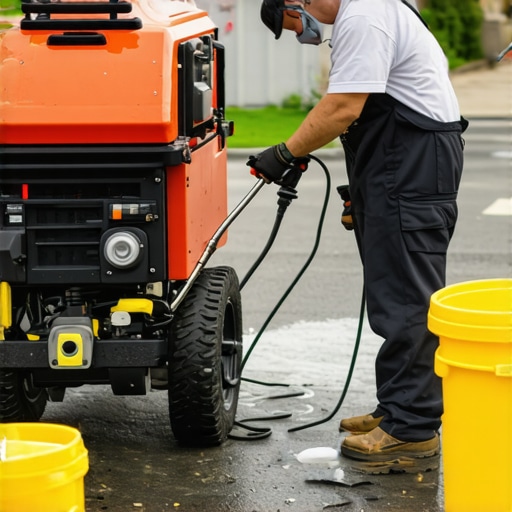
The Hidden Truths Power Washing Experts Keep Quiet About
One of the most eye-opening lessons I learned was that surface sensitivity is everything. I used to blast everything with high PSI, thinking tougher is better—until I damaged a section of delicate stucco, costing me time and money. Now, I choose pressure levels carefully, guided by the material I’m cleaning. Understanding the nuances of how different surfaces react has transformed my results, and it can do the same for you. Never underestimate the importance of surface awareness; it’s the secret sauce that prevents costly mishaps.
My Go-To Resources for Reliable Power Washing Success
Over the years, I’ve curated tools and guides that I trust implicitly. The best portable power washer pumps have proven to be durable and efficient, saving me stress during big projects. For surface-specific techniques, the expert tips on siding shed light on how to avoid streaks and damage. Regularly reading trusted blogs and investing in quality equipment, like durable nozzles, ensures every project is smooth sailing. Let these resources guide your journey towards professional results.
Find Your Power Washing Edge—And Keep It
The real power in power washing lies in consistency and care. I make it a point to perform routine maintenance—checking hoses, replacing worn nozzles, and inspecting pumps—so my tools remain dependable. Upgrading to newer models with advanced eco-friendly features not only benefits the environment but elevates my cleaning game. If you’re considering scaling up your efforts, explore gear upgrades designed for efficiency. Maintaining your equipment isn’t just about extending lifespan; it’s about consistently achieving that perfect clean every time.
What unexpected surface sensitivity lesson has transformed your approach? Share your story below!
**Note:** The content aims to offer insights derived from personal experience, emphasizing surface awareness, trusted resources, and ongoing maintenance to elevate your power washing in 2026 and beyond.
Reading your post really resonated with me—particularly the emphasis on surface-specific techniques. I remember my first big power washing project, where I used too high PSI on our wooden fence, which left noticeable splinters and scuff marks. It taught me that understanding the material is just as crucial as the equipment itself. I’ve since adopted a more cautious approach, especially with delicate surfaces, by using lower pressure and specialized nozzles. However, I still wonder, for folks managing multiple surfaces like brick, stucco, and wood, what are the best ways to quickly adapt settings without sacrificing efficiency? Have you or others found certain tools or methods that streamline this process? I’d love to hear tips on how to make surface adjustments quicker yet precisely—anything that can save time during multi-surface cleaning.