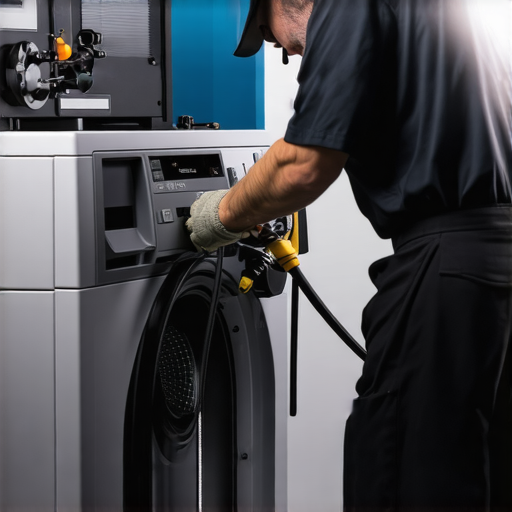
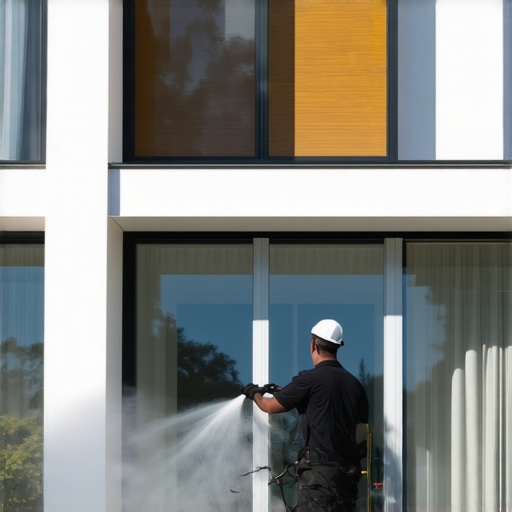
There was a moment last summer when I glanced at my home’s once-pristine siding and was hit with a sudden wave of disappointment. The vibrant colors had faded, and dirt seemed to have settled into every crevice. I realized that despite my best efforts with regular cleaning, my exterior looked dull and lacked that fresh, inviting shine I once loved. That lightbulb moment made me wonder: how could I truly restore my home’s curb appeal without wasting hours or risking damage?
Why Power Washing Is Your Home’s Best Friend
Over the years, I learned that a good power wash isn’t just about making your home look nice; it’s about protecting its value and extending the life of your siding, deck, and driveway. Yet, many homeowners underestimate the importance of proper technique and trusted results. Early on, I made the mistake of rushing through my first attempt, using the wrong nozzle, and applying too much pressure, which left unsightly streaks and even caused some damage. That experience taught me a crucial lesson: effective power washing isn’t about high pressure alone—it’s about precision, patience, and understanding your home’s needs.
Question: Can Power Washing Really Last? Or Is It Just a Quick Fix?
I’ve come across countless tutorials promising miracle results, but the truth is, lasting shine comes from using expert techniques. Properly executed, power washing can protect your exterior from mold, mildew, and grime, and ensure your home stays attractive for years. But if you’ve ever invested in a quick-and-easy hack only to see dirt resurface within months, you know why trusted methods matter. For reliable, long-lasting results, I rely on proven strategies and professional advice. Curious about how to do it right? I’ll walk you through the essential steps to boost your home’s curb appeal with confidence. Ready to get started? Check out this comprehensive guide for more insights.
Now, let’s dive into the key techniques that will help you achieve expert-level results and keep your home shining bright year-round.
Choose the Right Equipment and Prepare
Start by selecting a pressure washer suited for residential cleaning—think of it as choosing a precise tool for a delicate surgical procedure rather than a jackhammer. I remember when I borrowed a commercial-grade machine; it was too powerful, risking damage to my siding. Always opt for a machine with adjustable PSI and a variety of nozzles. Before diving in, clear the area of obstacles and cover nearby plants or outdoor furniture to protect them from overspray. Proper preparation is like laying a clean canvas—essential for achieving a professional look.
Test and Dial in the Settings
Next, test your equipment on a small, inconspicuous section. This step is crucial; think of it as a pilot run. I once wasted hours on a side wall, only to realize I had set the PSI too high, leaving streaks. Adjust the pressure to a moderate level—around 1500-2000 PSI—for siding and delicate surfaces. Use a wider nozzle (like a 25 or 40-degree tip) to distribute the water evenly, preventing damage and ensuring thorough cleaning. Remember, high pressure isn’t always better—it’s about control.
Apply Detergent Carefully
For stubborn grime, apply a biodegradable cleaning solution designed for your surface. Using a foam cannon or low-pressure nozzle, spray from bottom to top to avoid streaking. Let it sit for 5-10 minutes—like pre-soaking laundry—to loosen dirt and mold. I once applied detergent haphazardly, causing wastage and uneven results; now, I use a soaping wand for even coverage. Rinse thoroughly before moving to high-pressure rinsing to remove residual soap and prep the surface.
Use Proper Technique for Rinsing
This phase is where precision comes into play. Hold the wand at a consistent angle—about 45 degrees—keeping the nozzle about 12 inches from the surface. Use sweeping motions, overlapping each pass slightly for even coverage. Think of it as painting—slow, steady, and deliberate. I discovered that rushing led to streaks and missed spots, but practicing smooth, deliberate motions yielded a uniform shine. Avoid aiming directly at seams or edges to prevent water intrusion.
Focus on Problem Areas and Get Close
Identify stubborn spots—moldy patches or heavy dirt deposits—and spend extra time on them. Carefully move closer with a fan or turbo nozzle if needed, but do so cautiously to avoid surface damage. For instance, I once moved too close with a narrow nozzle on siding, which caused minor chipping. Always test your proximity and pressure in an inconspicuous zone first. This targeted approach ensures a deep clean without risking harm.
Final Inspection and Cleanup
Once you’ve rinsed thoroughly, walk around and inspect your work. Look for missed spots or streaks—touch them up if necessary. After completion, switch the machine off, disconnect, and clean the nozzle to prevent clogging. Clearing your workspace and storing equipment properly ensures longevity and readiness for future cleaning. Proper shutdown procedures might seem minor but are vital for maintaining your gear’s reliability.
Mastering these steps transforms power washing from a daunting chore into a manageable, rewarding process. For more trusted techniques and tips, explore this trusted guide that emphasizes expert methods for lasting results.
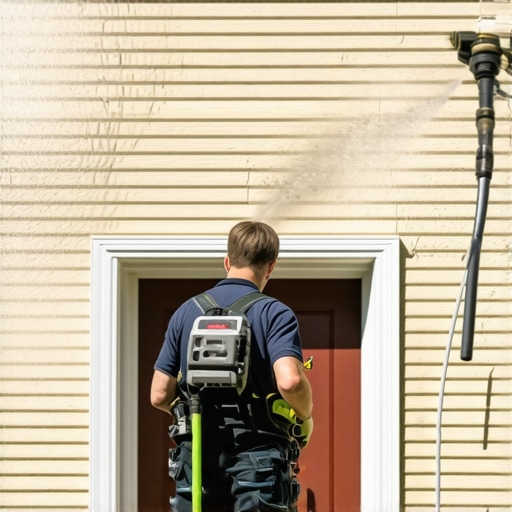 While power washing is often praised for its efficiency, many homeowners harbor misconceptions that can lead to costly mistakes. A prevalent myth is that higher pressure always yields better results, but in reality, excessive PSI can damage delicate siding or wood surfaces, leading to expensive repairs. Instead, focusing on adjusting the right pressure and nozzle type is crucial for safe, effective cleaning; for expert guidance, explore trustworthy power washing techniques. Another misconception is that power washing removes all contaminants permanently. However, if not properly maintained, grime and mold can quickly reappear, emphasizing the importance of appropriate surface treatments and regular upkeep. Even seasoned DIYers can fall into the trap of using the wrong cleaning solutions, which may be ineffective or harmful to your surfaces. Professional tips suggest always choosing biodegradable, surface-specific detergents to ensure both efficacy and environmental safety. Now, a more advanced question: How does surface material influence your power washing strategy? Recognizing that different materials respond uniquely can prevent surface etching or chipping. For instance, softwood siding requires lower pressure and specialized nozzles, whereas concrete driveways tolerate high PSI. According to experts, understanding these nuances can significantly prolong the lifespan of your exterior surfaces. Remember, rushing or applying a one-size-fits-all approach often results in subpar or damaging outcomes. For comprehensive strategies tailored to your home, consult detailed guides on safe and effective power washing. Avoid falling prey to common pitfalls by respecting your surfaces’ unique needs and leveraging proven techniques—this ensures lasting curb appeal and protects your investment. Have you ever fallen into this trap? Let me know in the comments.
Investing in quality power washing tools is just the beginning; ensuring their longevity requires regular maintenance and proper care. I personally swear by certain equipment and routines that keep my power washer performing at peak levels year after year. First, always inspect your hoses and nozzles for signs of wear or clogs after each use. Cleaning out nozzle filters with a small brush and flushing hoses can prevent buildup that impacts performance. Additionally, storing your pressure washer in a dry, sheltered location during the off-season helps avoid rust and corrosion, especially for metal components. Using a fuel stabilizer and running the engine briefly before storing can prolong its lifespan, much like maintaining a car engine. When it comes to accessories like surface cleaners, periodically check for calcium deposits or mineral buildup, which can diminish cleaning efficiency. A simple vinegar soak can break down these deposits and restore functionality. As the trend in power washing advances, more professionals are turning to smart pressure washers equipped with digital gauges and self-diagnostics, making maintenance easier and more precise. I predict that integrating IoT-enabled tools will become standard, offering real-time sensor data to alert users of potential issues before failures occur. To extend your equipment’s lifespan and ensure consistent results, follow trusted maintenance schedules outlined in expert tips for reliable power washing.
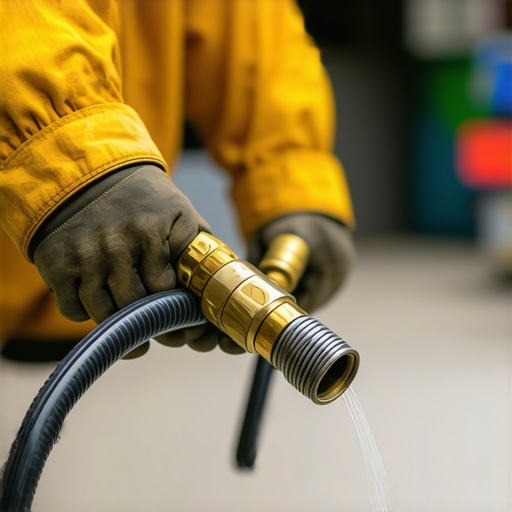
One method I highly recommend involves using a fuel stabilizer every season, which is proven to prevent engine issues and maintain optimal performance. Regularly checking and replacing worn nozzles ensures consistent spray patterns, crucial for delicate surfaces. For those serious about maintaining long-term results, investing in a maintenance kit with specialized lubricants, filters, and cleaning solutions can make routine upkeep straightforward. As technology advances, smarter tools can also diagnose internal issues early; for example, some models now come with diagnostic apps that recommend troubleshooting steps. This trend hints at a future where power washing becomes more accessible and less prone to unexpected equipment failures. To put these practices into action, I challenge you to schedule a thorough inspection of your pressure washer this week—check hoses, nozzles, and store it properly for the season. Proper maintenance doesn’t just protect your investment—it guarantees that every power wash will produce stellar, lasting results. Want more detailed procedures? Explore this expert guide for in-depth maintenance tips.
The Hidden Truths I Learned Through Trial and Error
One of the most eye-opening lessons was realizing that not all surfaces respond the same way to power washing. Softwood siding, for example, requires gentle pressure and specific nozzles to avoid damage, while concreteDriveways can handle higher PSI for tough grime. I once used the same settings on both surfaces, which led to chipping and uneven cleaning. Now I customize my approach based on material, saving time and avoiding costly repairs.
Another insight was the importance of patience—rushing through the process often results in streaks or missed spots. Taking the time to test settings, apply detergents properly, and rinse thoroughly has transformed my results from mediocre to professional-looking. It’s not just about blasting dirt away but understanding the art behind it.
Additionally, I discovered that equipment maintenance dramatically impacts long-term results. Regularly inspecting nozzles, cleaning filters, and storing the machine properly ensures consistent performance. Neglecting these steps might seem minor but can cause performance dips that compromise your home’s appearance.
Finally, investing in the right accessories and understanding their use maximizes efficiency. Turbo nozzles, for example, are perfect for stubborn mold but must be used carefully to prevent surface damage. Learning to match tools to tasks is a game-changer in achieving lasting curb appeal.
Tools and Resources That Got Me There
My trusted go-to guide for comprehensive power washing strategies is this in-depth resource. It provides detailed steps tailored for various surfaces and equipment types, ensuring I don’t miss critical details.
I also rely on quality accessories like adjustable nozzles and durable surface cleaners, which I sourced from reputable brands recommended in this trusted site. Their insights on equipment longevity and effective application have saved me money and time over the years.
For proper maintenance routines, this guide offers practical advice on equipment care, ensuring my tools perform reliably year after year. Knowing I’m prepared keeps the process stress-free and my home sparkling.
Lastly, I recommend staying updated with the latest trends by following expert blogs and online tutorials. Power washing technology evolves, and embracing new tools, like smart pressure washers with diagnostic features, can further enhance your results. The key is continuous learning—because every successful project boosts your confidence and results in a home that truly shines.
Your Next Step Toward a Brighter Home
Getting started might seem daunting, but remember—every expert was once a beginner. With patience, the right tools, and a commitment to learning, you can achieve stunning, long-lasting results that elevate your home’s curb appeal. Don’t wait for the perfect moment—start today, and enjoy the transformative power of a well-executed power wash. Feeling inspired? Share your experiences below or ask questions—let’s grow together in mastering the art of power washing!
,
This post really hit home for me because I’ve also struggled with keeping my home’s exterior looking fresh without causing damage or spending hours of manual scrubbing. The emphasis on choosing the right equipment and adjusting pressure settings is so crucial—early on, I made the mistake of using a high PSI setting on siding, which unfortunately left some scratches. Now I always start with testing on small areas, just like you mentioned. I’m curious though, how do others decide on the best nozzle type for different surfaces? I’ve found that sometimes switching between a wide 40-degree nozzle for siding and a turbo nozzle for stubborn stains makes all the difference. Also, I’d love to hear tips on cleaning and maintaining the equipment itself, especially for those of us who want to extend the lifespan of our washers and accessories. Great advice—power washing really is an art, and this guide provides a solid foundation to get started confidently.