
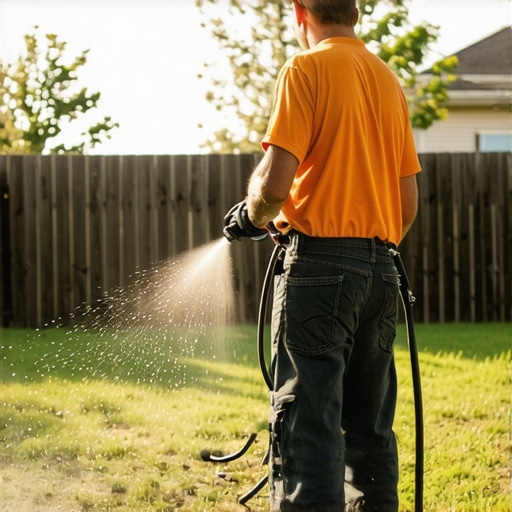
I vividly remember the moment when I realized my backyard fence was more than just a boundary—it was a reflection of how much I cared about my home. One sunny afternoon, I reached for my power washer, expecting a quick refresh. Instead, I ended up with a cloud of wood fuzz swirling around me, more frayed wood and dirt than clean surface. That day, I learned a hard lesson: without the right techniques, power washing can do more harm than good, especially to wooden fences.
If you’ve ever faced the frustration of a faded or damaged fence after trying to clean it, you’re not alone. Power washing is a powerful tool, but it comes with its pitfalls. The good news? Mastering a few pro tactics can turn your DIY project into a long-lasting, stunning result. Today, I promise to share exactly how to stop wood fuzz from turning your fence into a splintered mess, with proven strategies that work in 2026.
Why Power Washing Fences Can Backfire Without the Right Tactics
Many homeowners jump into power washing thinking a little pressure and spray will do the trick. But when it comes to wood fences, especially with aging or delicate wood, that impulse can create more harm than good. I made this mistake early on—rushing into a high-pressure blast without considering the wood’s condition or spray angles. The result? Fuzzed-up wood fibers, uneven surfaces, and an appearance worse than before.
According to experts, using improper technique can remove protective layers and damage the wood’s surface, leading to faster decay. In fact, recent studies show that overpressure can cause wood fibers to fray and splinter, which accelerates deterioration (source: [Power Washing Results](https://powerwashexpertz.com/power-washing-results-proven-methods-for-cleaning-your-home-exterior)). That’s why understanding the nuances of pressure settings, nozzle selection, and cleaning methods is essential.
If you’re puzzled about the best way to approach fence cleaning without causing damage, stay tuned. I’ll guide you through four professional tactics that will not only prevent fuzzing but also restore your fence’s natural beauty, making it last for years to come. Ready to transform your DIY approach? Let’s dive into the techniques that will change how you view power washing forever.
Adjust Your Pressure and Nozzle Settings Carefully
During a past project, I started with my standard 2500 PSI setting and a 25-degree nozzle, aiming to clean my weathered fence quickly. However, I noticed fuzzy wood fibers developing after a few passes. To fix this, I immediately reduced the pressure to around 1500 PSI and switched to a 40-degree nozzle, which disperses water more gently. Think of it like using a gentle garden hose instead of an aggressive spray—less damage, better cleaning. Always avoid using high PSI directly on soft or aged wood; instead, opt for settings that match the wood’s condition, helping prevent the fuzzing and splintering that ruin fences. For a detailed guide on pressure safety, check out https://powerwashexpertz.com/will-3000-psi-damage-siding-5-power-washing-safety-tests-2026.Many homeowners assume that power washing is a straightforward process—simply aim, spray, and rinse. However, this oversimplification can lead to costly mistakes and misunderstandings about what truly makes power washing effective. One common myth is that higher pressure automatically means a cleaner surface, but in reality, this can cause more damage than good. As an expert in exterior cleaning, I’ve learned that the key lies in nuanced techniques, such as adjusting pressure settings based on the material and condition of the surface. For instance, using the right nozzle and pressure can prevent wood fuzzing and surface etching, which are often overlooked by amateurs. Contrary to popular belief, there’s no one-size-fits-all setting; each job requires tailored adjustments to avoid the ‘oops’ moments that compromise your home’s integrity. Additionally, many believe that chemical solutions are unnecessary if high pressure is used. Yet, combining low-pressure rinsing with appropriate cleaning solutions often yields better and longer-lasting results, especially on delicate surfaces like stained wood or painted sidings. Experts recommend a balanced approach—using agitation and dwell time with eco-friendly detergents—before a gentle rinse.
Are you aware of the advanced techniques that differentiate the average DIY job from professional results?
Introducing these nuances into your routine will not only enhance the longevity of your exterior surfaces but also save you from common pitfalls. For example, improper nozzle selection and neglecting surface conditions can lead to wood fuzzing or concrete etching, issues that require costly repairs. A study by trusted industry professionals emphasizes that understanding the material-specific response to pressure and cleaning agents is fundamental to achieving durable results without damage. So, before you reach for your power washer, consider the subtleties that make a big difference. Want to elevate your power washing skills? Explore trusted strategies and expert insights to ensure your project is as effective as it is safe, avoiding typical mistakes and embracing proven methods for maximum durability.
Achieving professional-level results with your power washer isn’t solely about the equipment; ongoing maintenance and the right tools are crucial for long-term performance. From selecting the proper nozzles to investing in reliable cleaning solutions, every component plays a part in maintaining your cleaning power. One of my personal favorites is the Ryobi 3000 PSI Electric Pressure Washer, which offers a balanced combination of power and portability, making it ideal for residential work. Its adjustable pressure settings help prevent damage to delicate surfaces, aligning with guidance from pro tips from industry experts.
Regularly inspecting and cleaning your power washer’s trigger gun, hoses, and nozzles ensures consistent performance. I emphasize using multi-jet nozzles with precise spray angles because they provide versatile cleaning options without the need to switch tools constantly. For tougher stains, I often rely on foam cannons that attach seamlessly to my pressure washer, providing extended dwell time and effective cleaning—this approach aligns with proven strategies discussed in reliable cleaning methods.
Looking ahead, technology trends indicate an increase in battery-powered units that offer greater mobility and eco-friendly operation. I predict these will become the standard, especially as advancements improve power and battery life. To stay ahead, investing in models with smart features such as auto shut-off and digital pressure gauges will help preserve your equipment and achieve consistent results over time.
How do I maintain my power washing tools to ensure peak performance?
Proper maintenance involves regular checks for leaks, cleaning the filters, and lubricating moving parts, similar to how you would care for a lawnmower or vehicle. Additionally, flushing the system with clean water after each use prevents mineral buildup. I also recommend scheduling seasonal inspections, especially before heavy use periods, to replace worn-out seals or valves, which can be identified early using guides like this diagnostic checklist. Consistent upkeep minimizes downtime and extends the lifespan of your equipment, saving you money in the long run. For more detailed maintenance routines, visit reputable sources such as this comprehensive guide. Take the proactive step today and start implementing regular maintenance—your power washer will thank you with reliable service for years to come.
Lessons Only Experience Can Teach
One of the most eye-opening lessons I learned was that not all pressure is created equal—sometimes, less truly is more, especially on delicate wooden fences. I once used my full strength and ended up with frayed fibers and a younger, distressed-looking fence. That moment taught me the importance of adjusting pressure and understanding the material’s resilience. Also, I discovered that investing in quality nozzles and tools isn’t an expense but a safeguard for your home’s exterior. Finally, I realized that patience and a bit of extra prep with eco-friendly detergents can dramatically extend the life of your surfaces, making power washing an art rather than a hurried chore. These lessons transformed my approach from reckless to refined, saving me money and grief in the long run.