
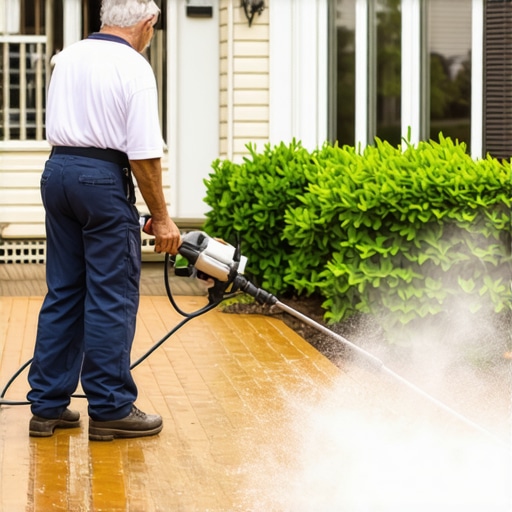
There I was, wielding my power washer, eyes fixed on my porch, when suddenly a spray of water chipped a dangerous splinter right off the wood. It was a lightbulb moment that drilled home—if I wanted a clean porch, I had to learn how to do it without turning my beautiful wood into kindling. Power washing is an amazing tool, but one wrong move, and you’re left with a splintered, ruined surface, costing time and money in repairs. Today, we’re tackling the secrets to power washing your porch effectively while keeping your wood intact. No more guesswork or destructive mistakes—just proven techniques that work in 2026.
Why Your Porch Deserves Better Power Washing Techniques
Over the years, I’ve learned that many homeowners rush into power washing without understanding how powerful equipment can damage their wood if misused. It’s not just about blasting away dirt; it’s about respecting the material. The right approach can restore your porch’s beauty and extend its life—without causing splinters or dents. Did you know that using excessive pressure on wooden surfaces can create tiny fractures that lead to splitting and decay over time? According to industry experts, improper pressure levels are one of the main reasons wood decks and porches begin to splinter prematurely. Making the right adjustments can save you from costly repairs later.
Is Power Washing Too Dangerous for Wooden Porches?
I’ve suffered early on from this mistake myself—cranking up the pressure because I thought I was cleaning faster. Turns out, I was just splintering the wood and creating tiny fissures invisible to the naked eye. If you’re skeptical about whether power washing can be safe for your porch, rest assured, it *can* be, as long as you follow the proper techniques. Saving yourself from unintended damage is all about understanding the pressure levels and nozzles that are safe for wood surfaces. Want to avoid this costly misstep? Stay tuned as I walk you through simple, effective strategies that make power washing safe, reliable, and satisfying.
Choose the Right Nozzle for Wood Preservation
Start with a **30-degree spray nozzle**, which is gentle enough to clean your porch without causing damage. I remember the first time I used a 15-degree nozzle, thinking it would speed up the process, but I ended up with splintered wood and a stressed surface. The key is to match your nozzle to the task. Narrow nozzles produce high pressure, which can pierce or crack delicate wood fibers. For cleaning, always opt for wider spray angles, like the 40 or 25-degree nozzles. Regularly inspect your nozzle for clogs, as debris can increase pressure unexpectedly. Upgrading to an adjustable nozzle sets you up for safer and more effective cleaning.
Adjust Your Pressure Settings Precisely
The difference between a clean and a damaged porch often lies in proper pressure adjustment. Think of power washing like watering delicate plants: too much pressure, and you can uproot the roots. Set your machine to **1,500 to 2,000 PSI** for wooden surfaces—a safe range that removes dirt without harming the wood. I once attempted to clean my deck with 3,000 PSI, thinking more power meant better results, but I saw tiny cracks after. Always test the pressure on a hidden corner first. Modern power washers feature adjustable PSI controls, which are indispensable for home projects. Be cautious of any sudden pressure spikes, which can happen if the machine’s unloader valve malfunctions. Regular maintenance, like checking for worn parts, keeps your pressure steady and safe. Learn more about optimal pressure settings for different surfaces.
Hold the Wand Correctly and Maintain Distance
Proper grip and distance are your best friends for preserving porch integrity. Hold the wand with both hands, similar to stabilizing a camera when taking a clear shot. Keep the spray nozzle approximately **12 inches (1 foot)** from the surface—closer can gouge the wood, while farther reduces cleaning power. Moving slowly in overlapping passes ensures consistent coverage. I once hurried through a cleaning session, keeping the nozzle too close, and ended up with streaks and streaking damage. Use your body weight to guide movements smoothly; avoid jerky motions. Practice helps you find the best distance and movement speed. Remember, patience and consistency deliver results without risking damage. Find expert tips on handling your power washer safely.
Use the Right Technique for Stubborn Stains
When dirt is stubborn, don’t rely solely on brute force. Instead, pre-treat with a biodegradable cleaning solution designed for wood. Apply it with a soft-bristled brush and let it sit for 5-10 minutes. Then, rinse with a light sweeping motion, using the wide-angle nozzle. I vividly remember scrubbing my porch’s corners to loosen dirt before power washing—this saved me from excessive pressure that could cause damage. For moss or mold, better solutions include a diluted bleach mixture or specialized cleaning agents. Always test a small area first to prevent discoloration or unexpected reactions. For more detailed guidance and product suggestions, check out trusted techniques to handle tough stains effectively.When it comes to power washing, many homeowners operate under a set of misconceptions that can lead to costly mistakes. A prevalent myth is that higher pressure always equals better cleaning. In reality, exceeding the appropriate PSI can damage delicate surfaces, particularly wood and siding, leading to splintering or peeling. For example, setting your pressure beyond 2,000 PSI on a wooden porch risks creating micro-fractures that weaken the material over time. Experts recommend adjusting your PSI based on the surface—usually around 1,500 PSI for wood—highlighting the importance of understanding your equipment’s capabilities. Another common mistake is relying solely on brute force, ignoring the significance of proper nozzle selection. Using a narrow, 15-degree nozzle may seem efficient, but it can actually concentrate too much pressure in one spot, causing damage. Instead, opt for wider spray angles, like 25 or 40 degrees, for gentle yet effective cleaning. Many believe that power washing can be a quick fix for all dirt and grime; however, stubborn stains such as mold or oil require pre-treatment with appropriate cleaning solutions and proper technique to prevent surface degradation. Advanced homeowners understand that pre-soaking, combined with low-pressure rinsing, achieves better results without harm. One sneaky trap to watch for involves the nozzle distance—holding the wand too close enhances risk of gouging, while too far reduces cleaning power. Maintaining a consistent distance of about 12 inches and overlapping passes ensures optimal results. Experts stress the importance of technique over brute force, emphasizing controlled movements and correct stance. For those seeking deeper insights, trusted resources recommend regularly inspecting and maintaining your power washer, like checking for worn seals or faulty unloader valves, to preserve optimal pressure and prevent damage. Curious about other hidden nuances? Dive into proven strategies for long-lasting results and explore how mastering these details can elevate your home maintenance. So, have you ever fallen into this trap? Let me know in the comments.
Keeping Your Power Washer in Peak Condition
Investing in your power washing equipment ensures consistent, reliable performance over the years. I personally swear by regularly inspecting and maintaining my power washer, especially checking for worn seals and faulty unloader valves, which can drastically affect PSI and overall effectiveness. Performing routine maintenance, such as cleaning filters and replacing high-wear parts, prevents unexpected breakdowns and prolongs the lifespan of your machine. For instance, adhering to a seasonal maintenance schedule can save you from costly repairs and ensure your equipment is always ready for the next project.
How do I maintain my power washer over time?
One of the most effective methods is to follow a comprehensive checklist that includes draining residual water, inspecting hoses and fittings, and lubricating moving parts. Using quality replacement parts from trusted suppliers is crucial—avoiding cheap substitutes that may cause damage or inefficiency. Additionally, storing your power washer in a dry, sheltered location during off-season periods prevents corrosion and deterioration. Regularly updating your equipment with the latest accessories, like adjustable nozzles and pressure regulators, enhances performance and safety. For detailed maintenance routines tailored to your model, I recommend reviewing this expert maintenance guide. Keeping your tool in top shape not only extends its lifespan but also guarantees optimal cleaning results every time.
Tools I Trust for Consistent Results
Choosing the right accessories can make a substantial difference in your power washing projects. My personal go-to is a high-quality, adjustable nozzle, which allows me to switch effortlessly between different spray angles—useful for delicate surfaces like wood and sturdy materials like concrete. I also rely on professional-grade extension wands, which enable me to reach high gutters or second-story siding without putting myself at risk. For stubborn stains or moss removal, a dedicated surface cleaner attachment ensures even coverage and reduces runoff, making the process faster and more efficient. Investing in a reliable pressure gauge ensures I stay within the safe PSI range tailored for specific surfaces, minimizing the risk of damage. You might consider tools like these professional upgrades to elevate your game.
The Future of Power Washing Equipment
With technological advancements, we can expect quiet operation, smarter pressure controls, and eco-friendly designs to dominate the market. Battery-powered models are rapidly improving in power and runtime, offering greater convenience without sacrificing performance. Furthermore, integration with smart home systems could enable real-time pressure adjustments and maintenance alerts, making home exterior cleaning more autonomous. Embracing these innovations now will prepare you for a more efficient and eco-conscious future in home maintenance.
Make the Most of Your Equipment: A Final Tip
One practical step is to always use the highest-quality nozzles and accessories compatible with your model to optimize cleaning efficiency and safeguard your surfaces. For example, switching to an adjustable nozzle with multiple spray angles can help you tailor your approach for different materials and stains, reducing unnecessary wear. Don’t forget to regularly calibrate your pressure settings to match the recommendations for each surface type, which you can find in trusted resources like this guide. Building these habits will keep your tools performing at their best and your home shining for years to come. For advanced advice and techniques, I urge you to try out these pro fixes for low pressure or nozzle efficiency—your results will surprise you!
Over time, I’ve realized that power washing isn’t just about brute force—it’s about finesse and understanding your tools. One lightbulb moment was discovering that adjusting my nozzle and pressure settings correctly can make the difference between a pristine porch and costly damage. My biggest lesson? Patience, practiced consistently, transforms power washing from a risky chore into a rewarding craft. Once I embraced the importance of gentle techniques, I not only preserved my wood but also enhanced its natural beauty, setting a standard I now share with fellow homeowners eager to protect their investment.
What the Pros Won’t Tell You About Power Washing
- Sometimes, less is more. Going overboard with pressure can rapidly deteriorate wood surfaces, leading to splinters and decay. I learned this the hard way, but now I always test my settings first on an inconspicuous spot.
- Nozzle choice is crucial. A wider spray angle distributes water more evenly and reduces the risk of damage. My go-to is still the 30-degree nozzle, which balances cleaning power with safety.
- Regular maintenance of your equipment ensures consistent results. From inspecting hoses to replacing worn seals, these small steps save big headaches and keep your porch looking its best for years.
Explore My Favorite Resources for Power Washing Success
- This trusted guide: Offers in-depth maintenance routines that keep your machine performing optimally. I rely on it to plan my seasonal tune-ups.
- Pro-grade nozzles and attachments: Investing in adjustable nozzles has significantly improved my control and results. They’re worth every penny for the peace of mind they provide.
- Online forums and communities: Sharing experiences with other homeowners has introduced me to insider hacks I never would have discovered alone. The power washing community is warm, helpful, and always eager to share tips.
- Power washing blogs: Regularly updated sites, like this one, provide fresh insights and latest tech trends, making sure I stay ahead in home exterior care.
Your Turn to Elevate Home Care
Armed with proper techniques and the right tools, power washing becomes a satisfying routine that preserves and enhances your home’s beauty. Remember, every well-maintained porch adds to your home’s curb appeal and overall value. Embrace these insider insights, experiment patiently, and you’ll find power washing to be both effective and enjoyable. Ready to give your porch that fresh, clean look it deserves? Start today and enjoy the transformation.
What’s been your biggest challenge with power washing your home, and how did you overcome it? Share your story below—I’d love to hear your experience!
,
I completely agree with the emphasis on pressure control and nozzle selection. In my experience, starting with a wider spray angle like 40 degrees and keeping the nozzle at least 12 inches from the surface really helps prevent damage. I used to think increasing PSI would speed things up, but I learned the hard way that gentler, more precise techniques produce better results and preserve the wood’s integrity longer. One thing I found helpful is testing on a small hidden area first, especially when dealing with older or more delicate wood. Has anyone tried using eco-friendly cleaning solutions in combination with low-pressure rinsing? I’ve noticed it works wonders on stubborn stains without risking damage. Would love to hear how others approach pre-treatment, especially for moss or mold, and any tips on balancing cleaning effectiveness with wood preservation.
This post really hits the mark on the importance of technique when power washing wood surfaces. I’ve learned from personal experience that using too much pressure can quickly turn a beautiful porch into a splintered mess, especially with older wood. One thing I’ve found helpful is wetting down the surface with a gentle spray before going in for a deeper clean — it helps loosen dirt without needing to crank the pressure. Also, I always start with the widest nozzle and lower PSI, gradually increasing if needed, but never exceeding safety limits for wood. Do you recommend any particular biodegradable cleaning solutions that are effective yet gentle? I’d love to hear about others’ go-to pre-treatment methods for mold or stubborn stains. It seems like patience and proper prep make all the difference for keeping the wood intact while ensuring a thorough clean.